
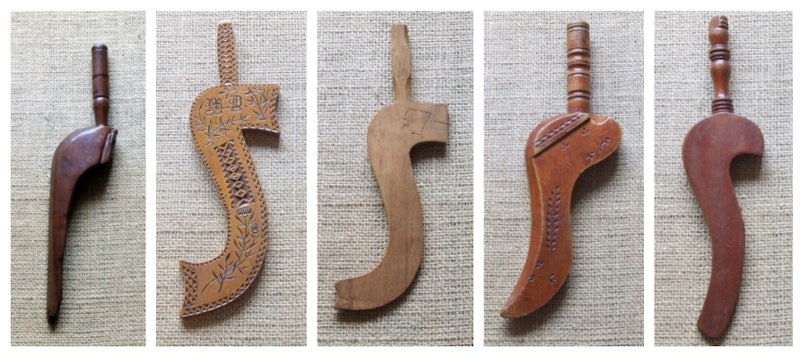
North of England Knitting Sheaths
The tool that enabled people to knit quickly and to knit while standing and walking was the knitting sheath. Knitting sheaths varied in quality, workmanship, shape, and decoration.
Category
The tool that enabled people to knit quickly and to knit while standing and walking was the knitting sheath. Knitting sheaths varied in quality, workmanship, shape, and decoration.

Around the turn of the twentieth century, a new style of art emerged in Scotland’s largest and most bustling city, Glasgow. Learn about the artists who helped establish this movement, Charles Rennie Mackintosh and his wife Margaret Macdonald.
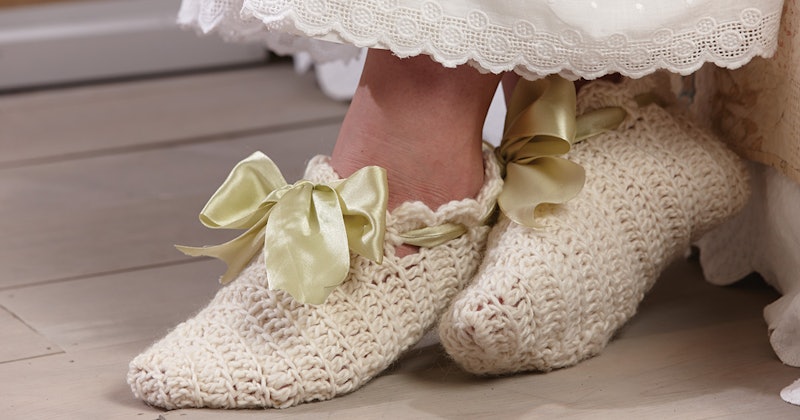
In the November/December 2013 issue of PieceWork, contributor Betsy Butler shares a bit about Mrs. McKinley’s passion for crochet in her article, “First Lady Ida Saxton McKinley and Her Crocheted Slippers.”

Knits of Yore takes viewers to the crossroads of knitting and history as Susan Strawn showcases stunning knitted objects from the past 200 years.
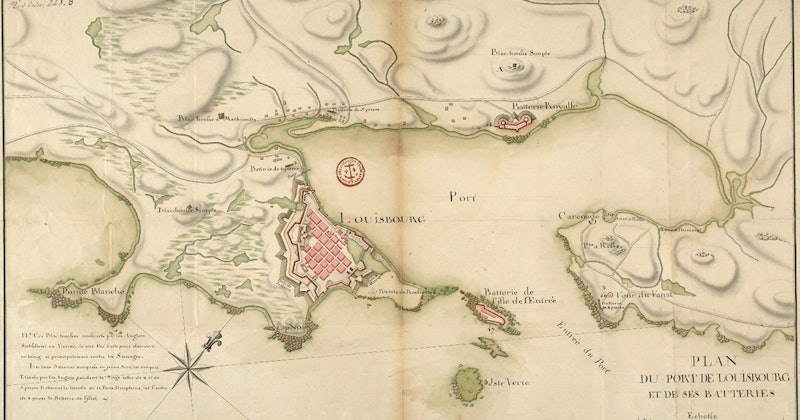
A well-preserved hat has allowed us to open a small window on life in the French colony of Louisbourg in the middle of the eighteenth century.
A fictional character named Agnes, from the novel Secrets in the Lace, gets a pair of handknitted stockings.
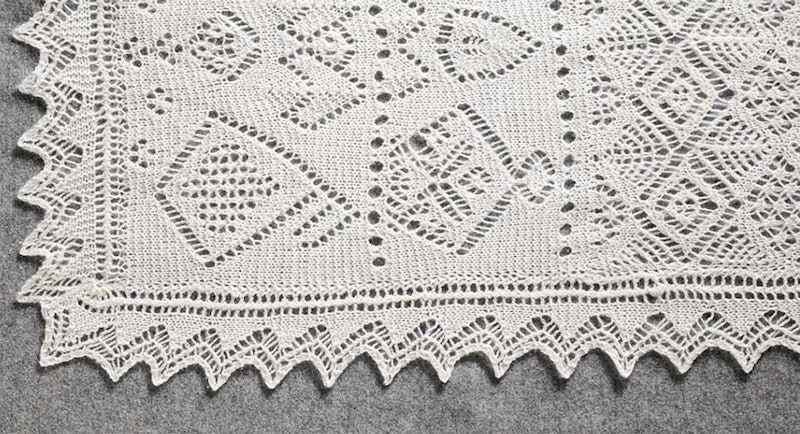
In Russia, you will not find anyone who has not heard of an Orenburg “downy” shawl—the warm, heavy shawl with the light, delicate lace-patterning called “cobweb.” Downy shawls are distinguished by a center design.
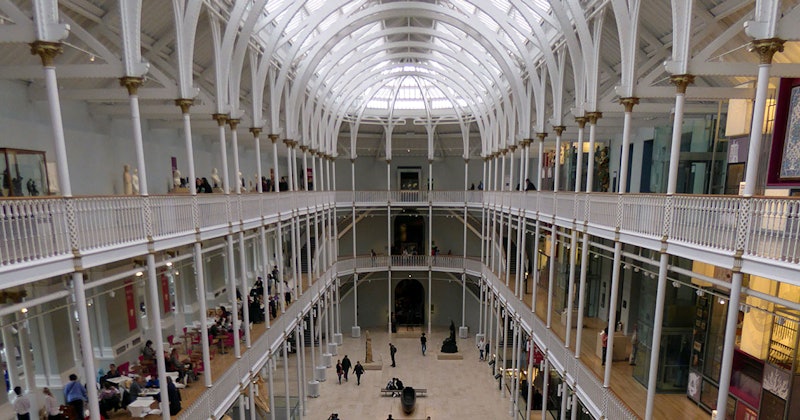
Phoebe Anna Traquair is associated with the Arts and Crafts movement and was adept at many disciplines including: painting, enameling, jewelry making, and embroidery.
The Suffragette’s Coat combines drama, fine details, and history.

PieceWork has been publishing a special theme issue on knitting for several years now, and it has become an annual best seller. It has even spawned a spinoff, Knitting Traditions, likewise a crazy success.

Jacqueline Fee recounts how she came to knit the Brewster socks, which were based on an original sock that was brought to her attention by her daughter.
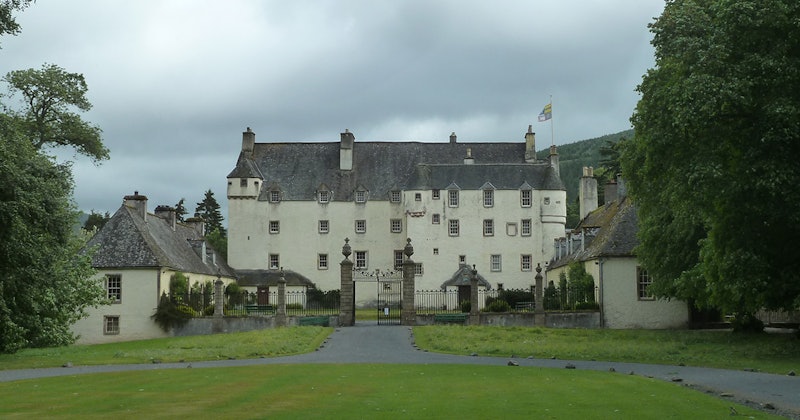
Traquair House is renowned for its collection of embroideries, which were stitched by needlewomen whose descendants still live in the house today.