
 SUB
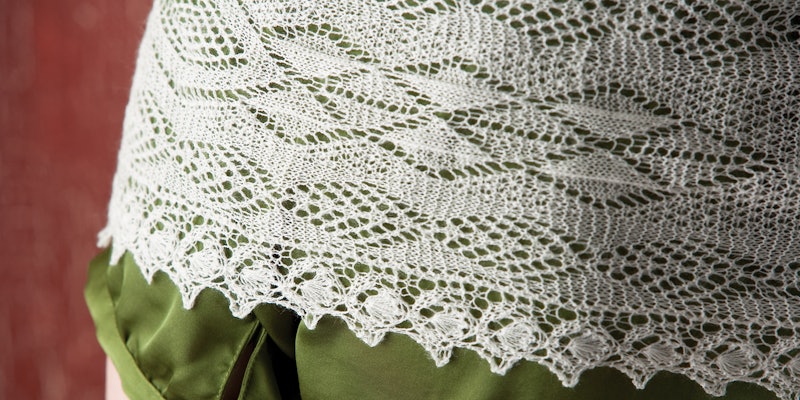
SUBShetland Lace Knitting in New Zealand
How a knitting tradition rooted in a cluster of tiny islands in the North Sea came to be transplanted to an island country in the southern Pacific Ocean.
Category
SUBHow a knitting tradition rooted in a cluster of tiny islands in the North Sea came to be transplanted to an island country in the southern Pacific Ocean.
 SUB
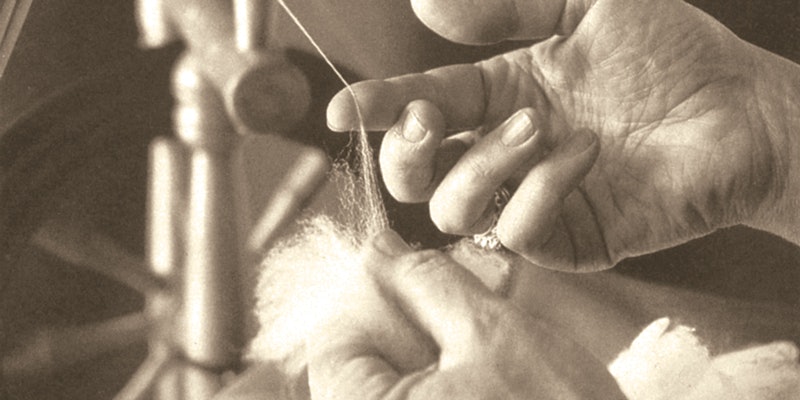
SUBCelebrate the coronation with the story behind a shawl for Prince William.
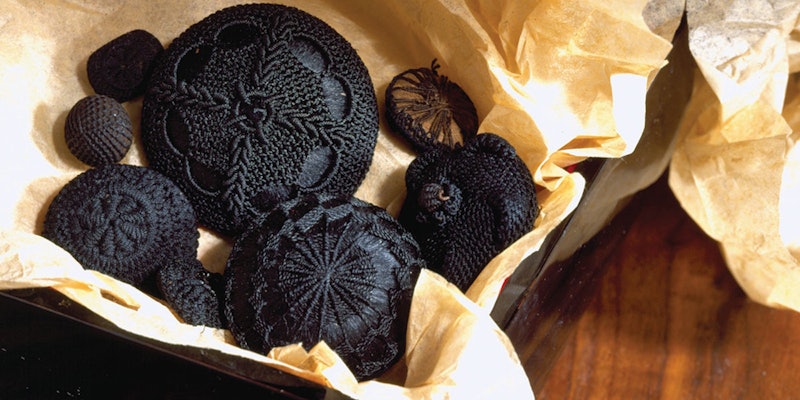
Discover the history of crocheted buttons and crochet your own Irish Rose button from Nancy Nehring’s wonderful article and project featured in the March/April 1994 issue of PieceWork.
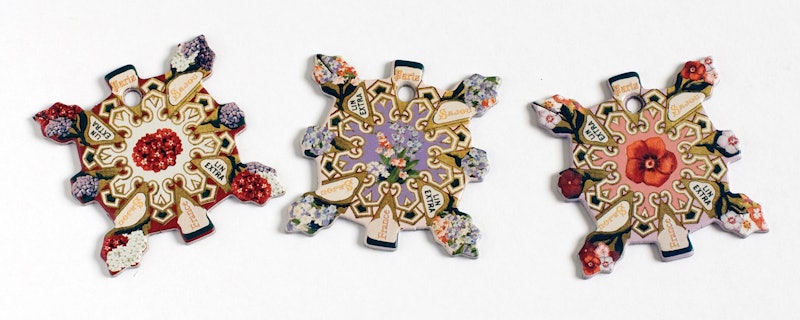
Discover the colorful origins of the venerable Maison Sajou--a French design and needlework workshop, with a legacy that continues to intrigue stitchers today.
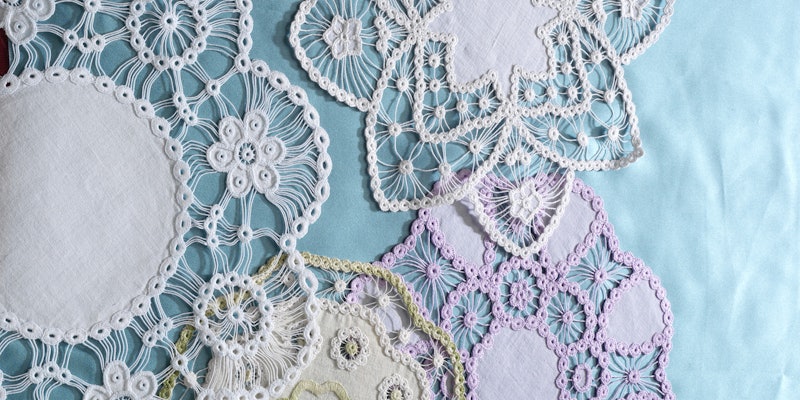
Once thought of as only something a grandmother could love, doilies are experiencing a renaissance.
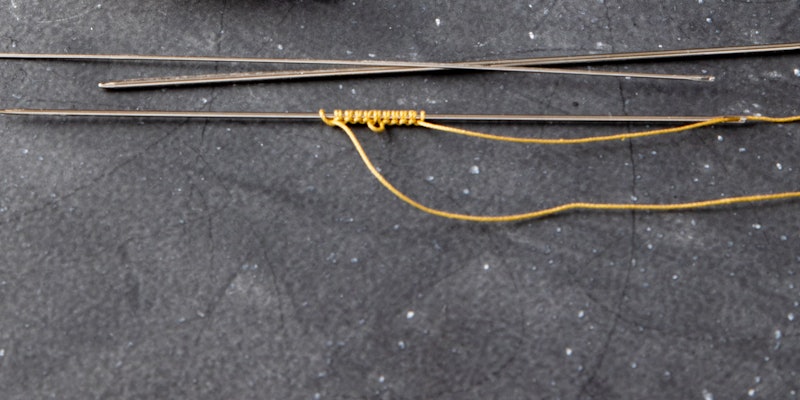
Did you know that a needle can be used for tatting?
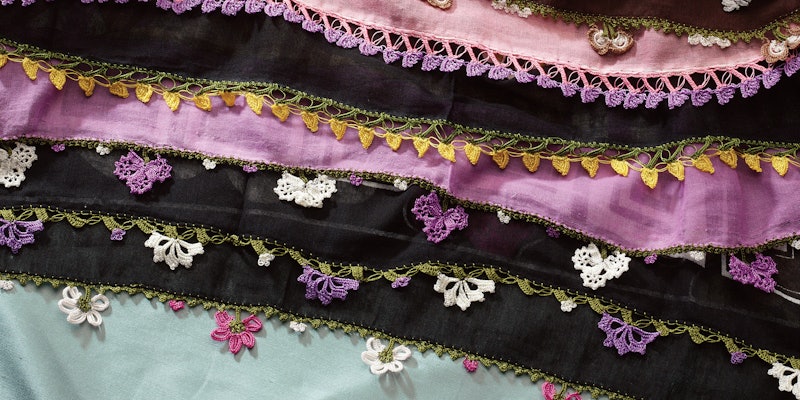
Although urban Turkish women rarely wear them, the women of some rural areas still wear the traditional oya-edged head cloths.
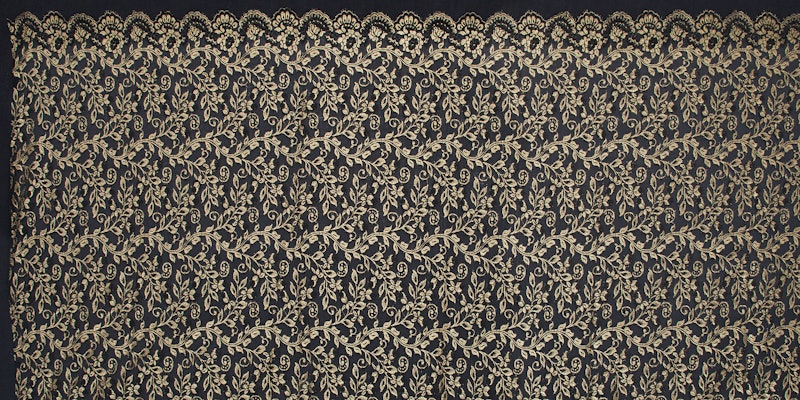
A query about how French lace goods came to be used as a saree fabric in India resulted in a search for more information. Chitra Balasubramaniam shares what she discovered.
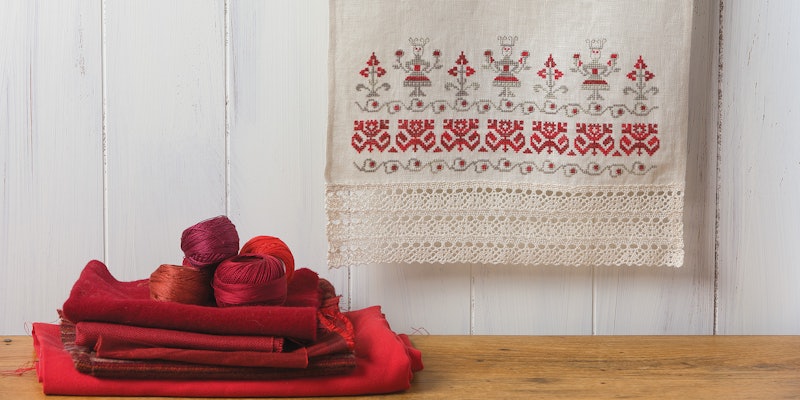
Many needleworkers follow in the footsteps of family members who stitched before them. PieceWork contributors are no exception.
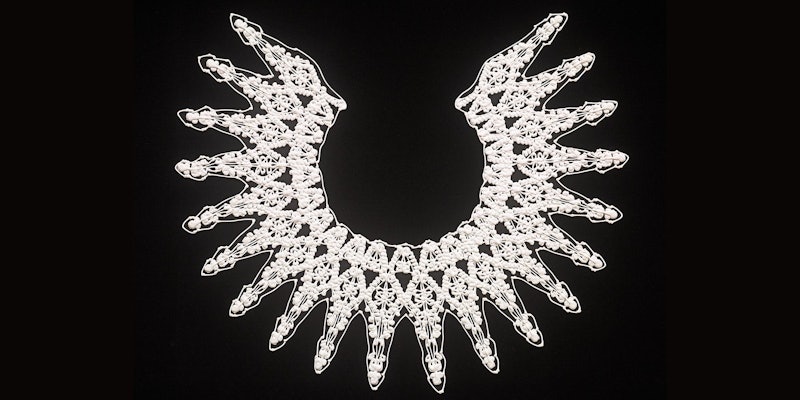
Be dazzled by this special exhibit that provides an in-depth look at one of the world’s most exceptional collections of historical lace, from its sixteenth-century origins to the present day.
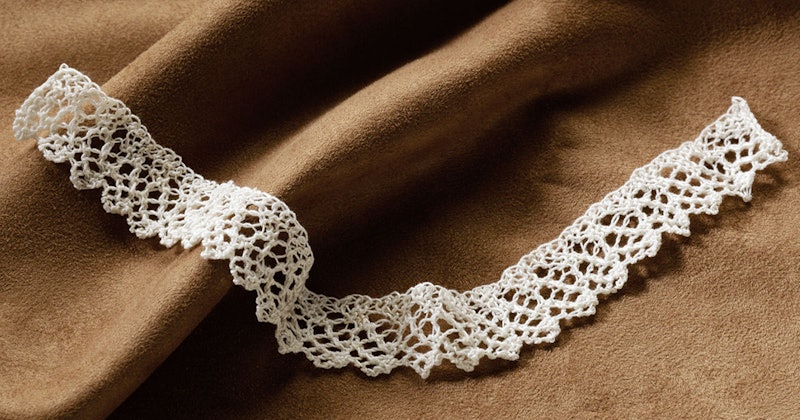
The instructions for this delicate lace edging originally appeared in a weekly household column, which ran in a Manchester, New Hampshire, newspaper from 1881 to 1884.
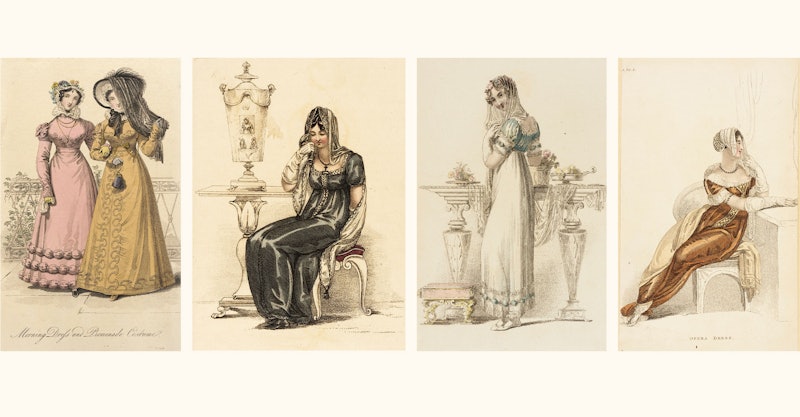
Women’s head coverings during the nineteenth century varied considerably, depending on the country, region, traditions, climate, religion, marital status, social or economic class, and fashion.