
A Stitch in Time: Rosette-Chain Stitch
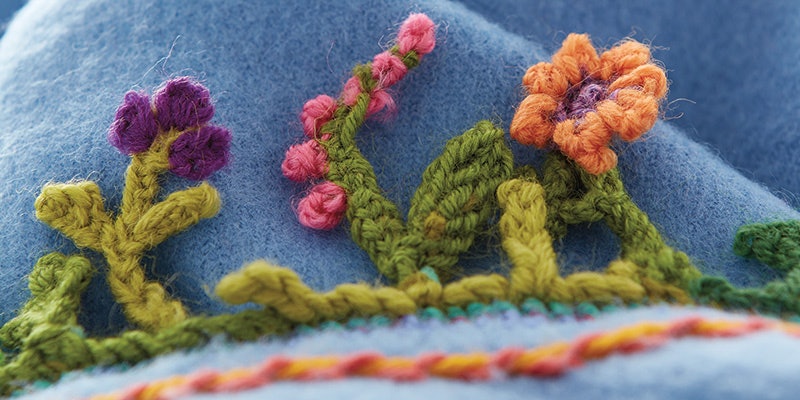
The rosette-chain stitch (Figures 1 and 2) belongs to the large chain stitch family because the working thread is looped on the surface of the background fabric and held in place by another stitch.
Category
The rosette-chain stitch (Figures 1 and 2) belongs to the large chain stitch family because the working thread is looped on the surface of the background fabric and held in place by another stitch.

Scotland has a long and colorful history—143 meters (469.2 ft) long, to be precise! That’s the overall length of the 160 embroidered panels of The Great Tapestry of Scotland.
You can knit a penwiper from Weldon’s Practical Knitter, Eleventh Series in the shape of a Turkish Fez. Just by looking at the illustration, you would have no indication of scale.
One hook. One yarn. Two hands. Add a creative mind to encourage the adventure, and you can be off into the wide world of crochet.

The Oregon Trail, pioneers, and wagon trains—these words conjure up romantic images. The reality, however, was far from romantic—it was arduous and fraught with danger; for many, it was deadly.
Rickrack conjures memories of brightly colored chevron embellishments on dresses and other garments from our childhoods.
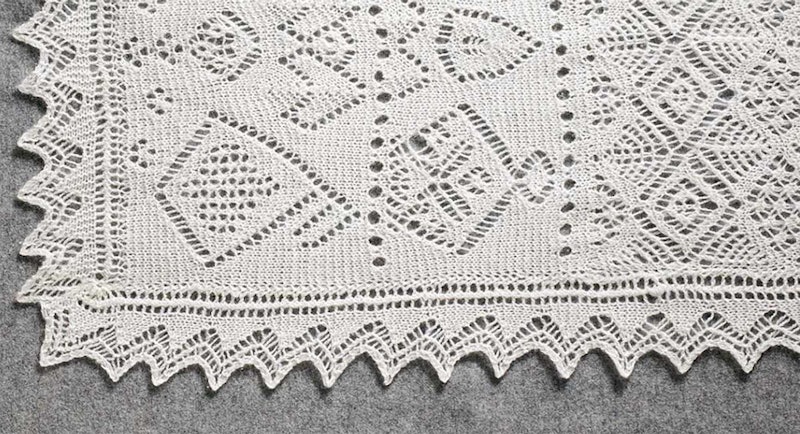
The November 1924 issue of Needlecraft magazine featured “Bags for Many Uses, Desirable and Different” by Addie M. Bodwell.
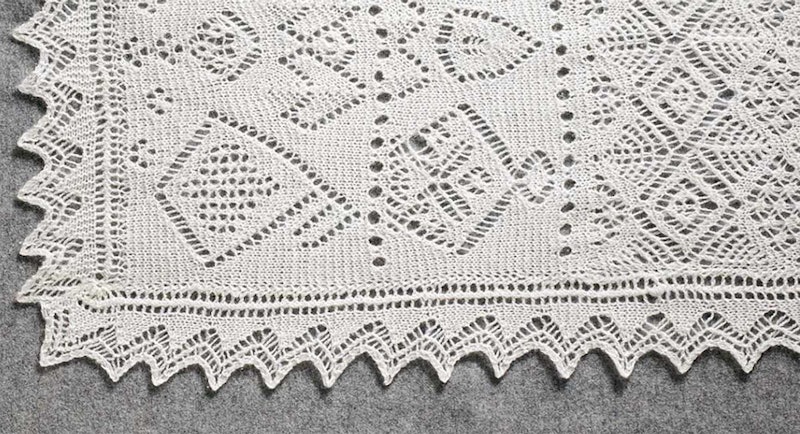
As PieceWork celebrates twenty-five years, let’s take a look back at the beginning. When Veronica Patterson wrote her editorial letter for the first issue, March/April 1993, she set the tone of the magazine for years to come.

In the past, most needleworkers learned this craft at their mother’s side, but today this is rare. In the March/April 1997 issue of PieceWork, contributor Kax Wilson recalled her mother’s time spent mending during the early twentieth century.
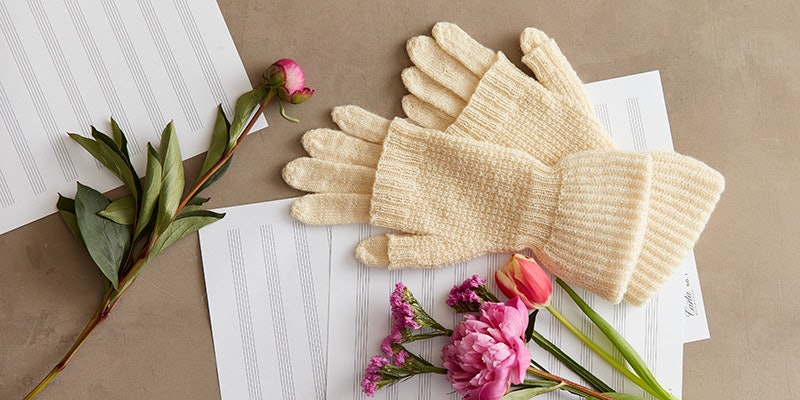
Unlike some unusual patterns sourced from the Victorian era, the Richmond Gloves are subtle and timeless enough in their design to fit perfectly into the modern age. Their unique design leans toward the functional rather than the flamboyant.
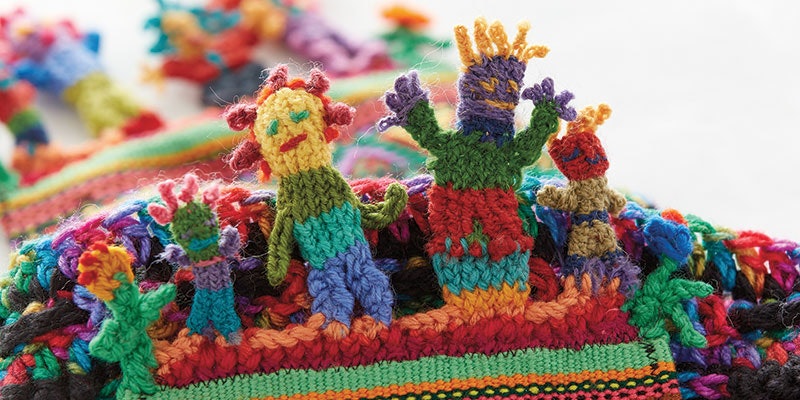
Discover cross-knit looping, which is a form of needlework native to the Nasca people, a pre-Incan culture who lived on the south coast of Peru.
Barbara Morrison says, Cross-knit looping is an adaptable and easily learned technique; it’s also easy to transport and a good way to use short bits and pieces of yarn or thread.