
 AA
AALatest
A New Glove eBook of Classic Knitting and Crochet Patterns
We’re thrilled to share our newest eBook release, In Good Hands: Five Historical Glove Patterns, a collection that celebrates the artistry and cultural history of handmade gloves.
Category
AAWe’re thrilled to share our newest eBook release, In Good Hands: Five Historical Glove Patterns, a collection that celebrates the artistry and cultural history of handmade gloves.
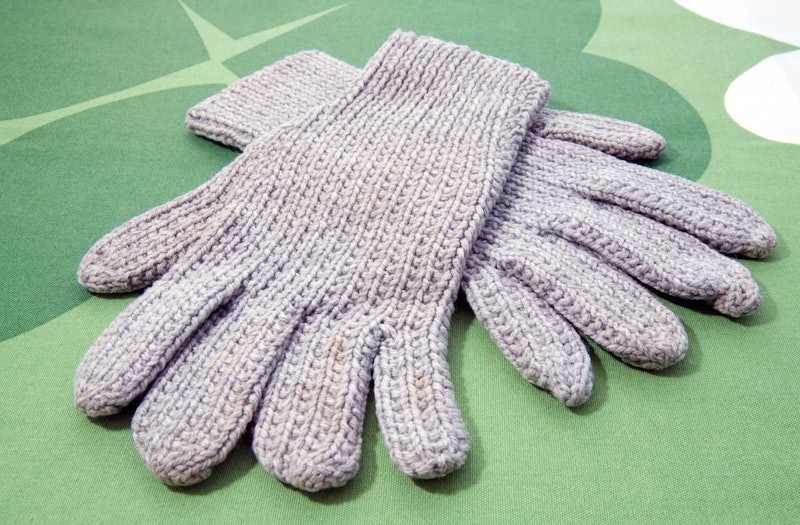
Knitting patterns weren’t just an instruction leaflet, they were a connection across generations.
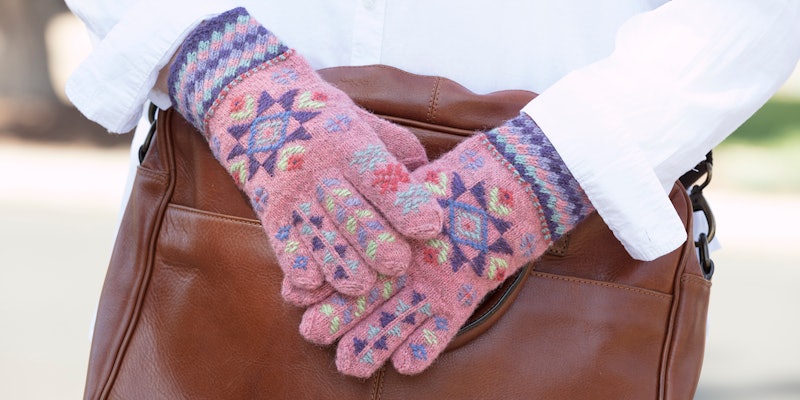
In Estonian, roosimine means “to decorate with roses,” which is a really spectacular and specific word to have in a language.
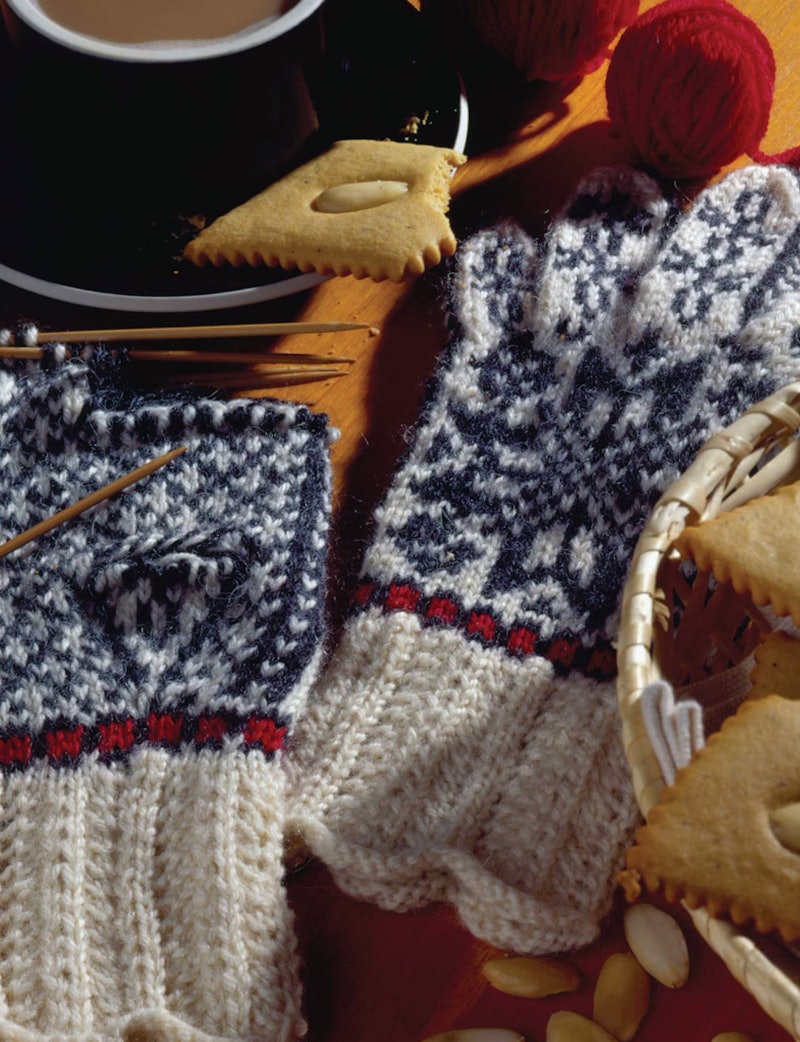
These gloves were inspired by a pair with similar patterning in the Vesterheim Norwegian-American Museum in Decorah, Iowa.
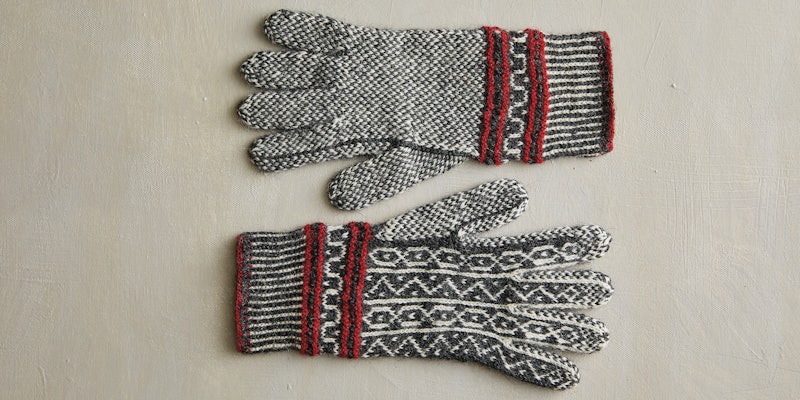
Gloves that draw inspiration from all over Europe.

The 2023 Pantone Color of the Year, Viva Magenta, is ripe with possibilities for incorporating into your knitted or stitched projects.
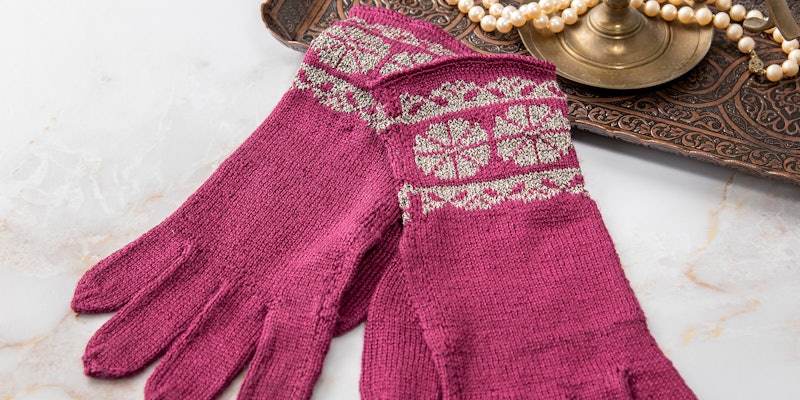
Learn about knitted liturgical gloves for elite churchmen in medieval and early modern Europe. And, PieceWork subscribers, find the pattern to make your very own pair!
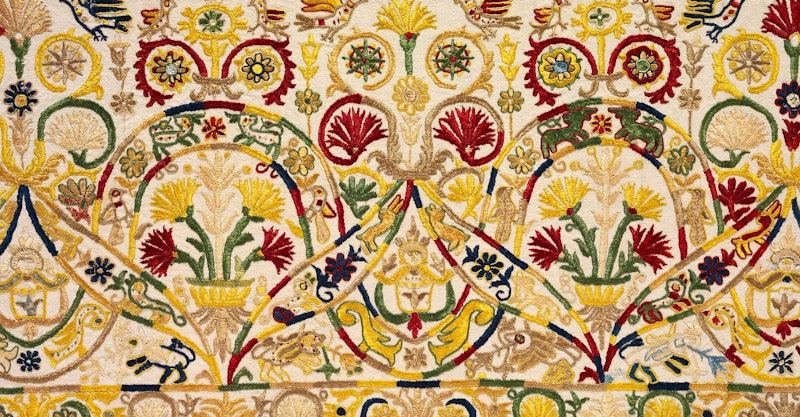
Our Lost and Found issue seeks to find connection in fragments of ancient textiles that remain to this day.
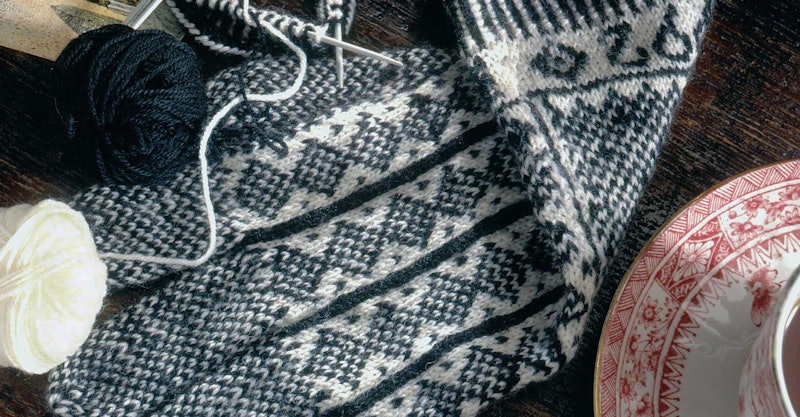
The history of knitting has been shrouded in mystery, half-truths, and outright lies! Is this because there is so little material, either textiles or documentation, to enable that history to be fully written?
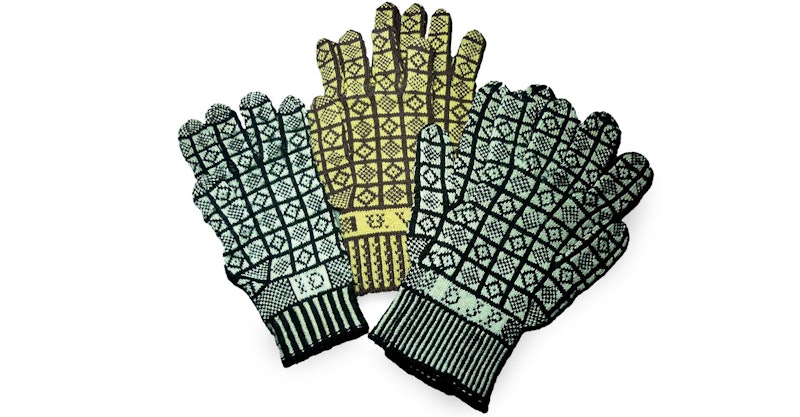
Author James Brown in History of Sanquhar (1891) describes Sanquhar gloves and stockings in the early nineteenth century as “being woven on wires in a peculiar manner,” which presumably means knitted on fine needles.
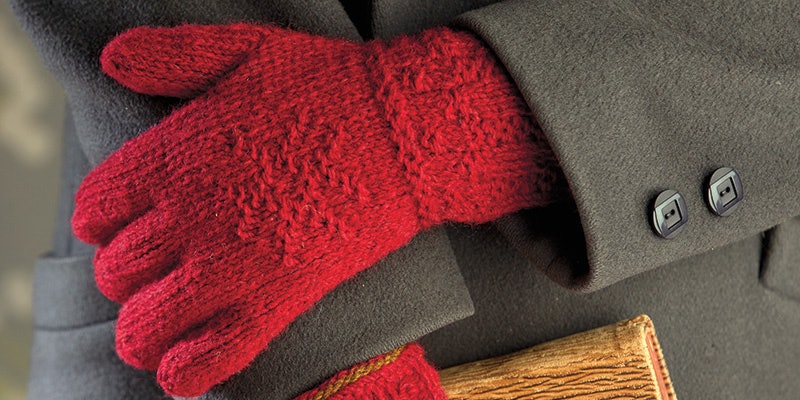
Beth Brown-Reinsel’s twined-knitted gloves, featured in the March/April 2018 issue of PieceWork, make a great first project. Below, Beth explains how the yarn used in twined knitting is different from most commercial yarns.

Download PDFs of the charts and illustrations from the projects featured in the 2019 issues of PieceWork.
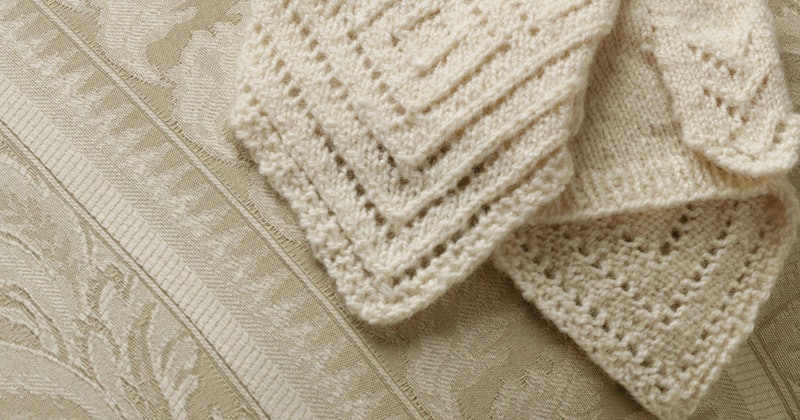
These offering mitts, also known as “mitts with tongues,” “church mitts,” or “stubby mitts,” were a traditional hand covering in rural Norway. They are a variation of the fingerless gloves or mitts that are popular today.