
Loading the latest stories…
Today, pineapples are a produce department staple, available year round. But not so long ago, pineapples were an exotic treat, reserved for nobility and the upper classes of the west.
Elizabeth Prose1 min read
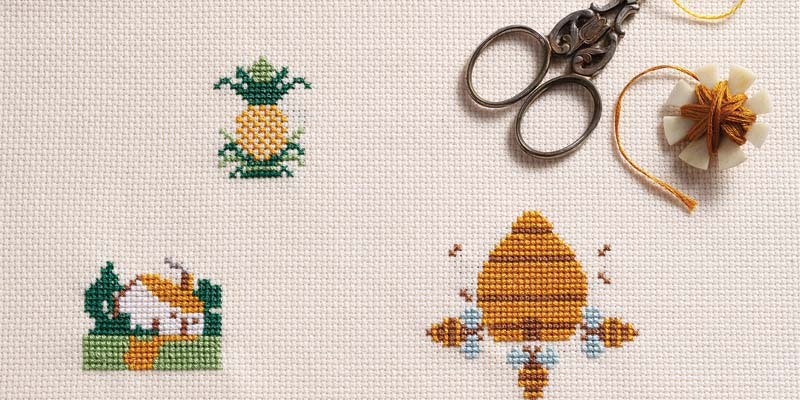
For centuries, samplers have been a common way for needleworkers to not only practice their craft but showcase their ability with needle and thread. In PieceWork’s September/October 2014 issue, Christopher John Brooke Phillips describes the hidden symbolism in several common historical motifs in cross-stitch samplers. What is the meaning behind motifs like the pineapple?

Patricia Phillips’s pineapple is worked in cross-stitch with two strands of cotton floss on 18-count Zweigart Davossa evenweave fabric. Photo by Joe Coca.
Today pineapples are a produce department staple, available year round. But not so long ago, pineapples were an exotic treat, reserved for nobility and the upper classes of the west. Christopher explains:
“This traditional symbol of hospitality appeared in needlework in both Britain and America. The rarity of the fruit in the sixteenth century also gave it a reputation for opulent extravagance. A painting in the Royal Collection in England of King Charles II (1630–1685) depicts Charles receiving the first pineapple, allegedly, grown in Britain (in a hothouse in 1670). A pineapple-growing mania swept eighteenth-century England and numbered among its aficionados the poets William Cowper (1731–1800) and Alexander Pope (1688–1744). On America’s East Coast, the pineapple was displayed in windows or on a stake by the front door as a sign of a sailor’s safe return. The Shirley Plantation on the James River in Charles City County, Virginia, established by a crown grant in 1613, is one of several area plantations to incorporate the pineapple in its decoration.”

The mysteries of needlework provide an endless source of fascination! The next time you spy a pineapple motif stitched onto a piece of cloth or carved into a piece of furniture, remember, it is a traditional sign of welcome and friendliness. Add this sweet motif to your next cross-stitch sampler. Find out more about the hidden meanings of other motifs like the anchor, the beehive, the cottage, and others in the September/October 2014 issue of PieceWork.
Happy stitching!
Elizabeth
More from PieceWork
 Long Thread Podcast: Emily Whitted, Texile HistorianSeason 15, Episode 3: Exploring collections of early American cloth, Emily Whitted finds stories of creativity, virtue, and the intimate lives of people from many backgrounds.Anne Merrow · July 28, 2026
 Long Thread Podcast: Loretta Pettway Bennett, Gee’s Bend QuilterSeason 15, Episode 2: A fifth-generation quilter from the legendary community of Gee’s Bend, Alabama, Loretta Pettway Bennett turns well used cloth into her own expressions of color and community.Anne Merrow · July 11, 2026
 From Ticking to Treasure: Reimagining Victorian Embroidered CasesStitch and sew a charming embroidered-ticking bag based on an 1863 pattern.Colleen Formby · May 21, 2026
 Long Thread Podcast: Curtis Gregory, George Washington Carver National MonumentSeason 14, Episode 5: Best known for his work with peanuts, renowned agricultural scientist George Washington Carver had a lifelong passion for needlework. Park Ranger Curtis Gregory shares stories about Carver’s interests in handwork and natural dyeing. Anne Merrow · April 4, 2026
 The Modern Language of TattingWhile the core of the craft has remained the same, the language of patterns has evolved over time.Katrina King · March 30, 2026
 Ceremonies and Celebrations: PieceWork Call for Submissions Spring 2027We're seeking articles and projects that illuminate the role of needlework in ceremonies and celebrations, from wedding finery to ritual textiles.
Karen Elting Brock · March 23, 2026
Ceremonies and Celebrations: PieceWork Call for Submissions Spring 2027We're seeking articles and projects that illuminate the role of needlework in ceremonies and celebrations, from wedding finery to ritual textiles.
Karen Elting Brock · March 23, 2026 Discover an Irish Crochet Masterpiece and One Woman's Journey from Hardship to LegacyLearn the story of a determined dressmaker and her daughters and their precious Irish lace wedding jacket from 1881.Lowanne E. Jones · March 12, 2026
 Mark Twain’s Invention: The Surprising Origin of the Modern Bra StrapDiscover Mark Twain's contributions not only to the literary world, but also to fashion history. Mimi Seyferth · March 2, 2026
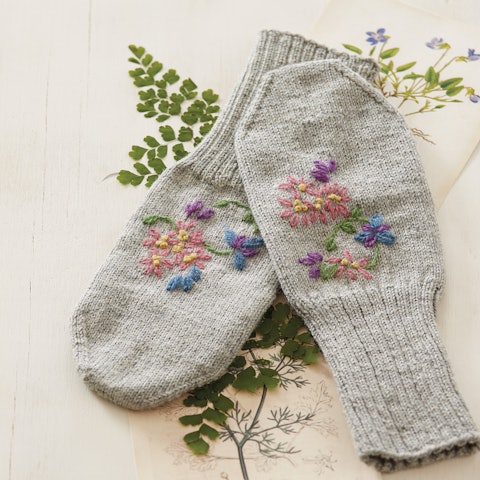 Mittens of Memory: Beauty and Resilience in Wartime AmericaA pair of hand-embroidered mittens from a World War II relocation camp serve as a testament to resilience and the sustaining power of craft. And you can make them, too.Susan Strawn · January 26, 2026
 Long Thread Podcast: Elena Kanagy-Loux, Lacemaker & Historian (classic)Season 13, Episode 9: Ethereal, durable, ornamental, powerful—what does lace mean to you? Through academic study and the work of her hands, Elena Kanagy-Loux teaches that lace is all of these things and more.Anne Merrow · January 10, 2026
From the Library


Comments
No comments yet — be the first to share your thoughts.
Sign in to join the conversation — commenting is for signed-in members.