
Loading the latest stories…
From discarded leaves to delicate cloth, learn how Filipino makers turn pineapple fibers, piña, into stunning cloth ready to embroider.
Kathleen Bennett4 min read
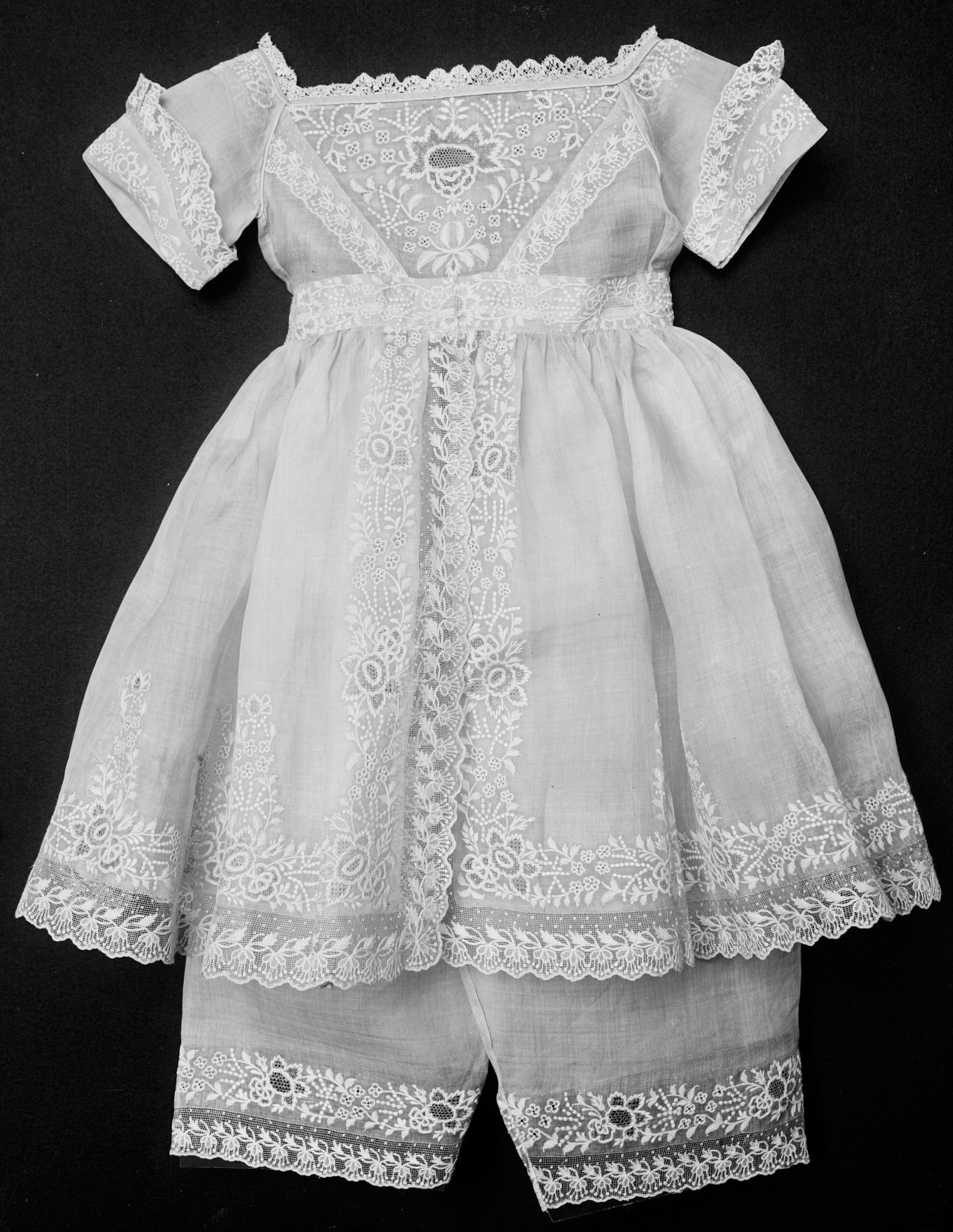
In PieceWork’s Winter 2025 issue featuring traditional dress from several cultures, Angela Crenshaw writes about the significance of garments made from pineapple cloth in the Philippines. As a companion article, Kathleen Bennet focuses on the fiber itself, explaining the steps involved from picking the leaves to weaving the cloth.
Considered a native of South America, the pineapple was brought to the Philippines by Spanish colonists around 1565. Using techniques perfected centuries before the arrival of the Spanish, Filippino people made the plant their own when they created beautiful fabrics from the fine fibers extracted from within the leaves of the red or “wild” pineapple (Ananas bractaeus or Ananas comosus var. bracteatus).
Before the Spanish arrived, clothing was made from abacá, the native banana tree (Musa textilis). The fibers were removed from leaves, cleaned, dried, and individually knotted rather than spun. These strands of knotted fibers were then woven into durable clothing. After the Spanish introduced the pineapple, local weavers quickly discovered that pineapple leaves contained fibers that were finer and more delicate than the traditional abacá. When woven, these pineapple fibers produced a fabric that was translucent, with a natural golden sheen that became a part of traditional Filipino cultural heritage for centuries. Light and fine, piña fabric was later exported to Europe as a rare and expensive textile.
Piña is still made by hand today. The process involves several steps:
 Scraping a pineapple leaf, 2021. Photo courtesy of Alfredo and Isabel Aquilizan
 Instructions for tying the pineapple fiber threads. First, cross the left (red) fiber over the right (black), then form a loop in the lower part of the right fiber. Bring that loop over the left (red) fiber and loop itself (black fiber). Pull the lower part of the loop up and over the top of the (red) fiber and gently pull on both sides of the black fiber to lock the knot. Illustration by Kathleen Bennett, 2025
 A sample of piña-silk cloth. Note the knot on the unraveled strand. Photo by Kathleen Bennett, 2025
Villagers involved in producing piña often specialize after trying different steps in the process; sometimes they work alone, but more often they join a small work group of scrapers, knotters, or weavers, specializing in a specific step in the process of creating the finished fabric.
Some piña fabric is decorated on the loom as the weaving progresses in a process called suk-suk, sinuksok, or suk-sukor. Plain woven piña is embroidered by hand with silk or cotton using a variety of techniques, including pulled thread, appliqué, whitework, and chain stitch.
Embedded content: https://www.youtube.com/watch?v=yRvWiiGoOzI The whole process, from picking the leaves to weaving the fabric.
Where the traditional piña is a single strand of knotted fibers pulled from fresh leaves, pineapple floss is extracted from the dried and semi-dried leaves left behind during commercial processing of sweet pineapples (Ananas comosus). In a mechanized or semi-mechanized process similar to producing other cellulosic fibers such as flax, the pineapple leaves are soaked (retted), stripped, degummed, washed, and sometimes treated.
 Example of piña fiber produced from pineapple waste. Photo by Kathleen Bennett, courtesy of The Fiber Garden
Some leaves are commercially processed into felt or fabric. Fiber for handspinning is also available, but it will not produce the same superfine threads as the traditional handknotted process.
--Kathleen Bennett
Learn more about the Philippine’s gorgeous embroidered piña fabric in PieceWork’s Winter 2025 issue.
More from PieceWork
 Discover a Digital Home for Knitting and Crochet HistoryThe Center for Knit and Crochet is building a free, open-access digital museum where collections big and small, famous and personal, finally have a home. Jennifer Lindsay · July 20, 2026
 Hooked on History: The Surprising Collection of Hamilton House Rugs
From the Library






Comments
No comments yet — be the first to share your thoughts.
Sign in to join the conversation — commenting is for signed-in members.