
Loading the latest stories…
The story of the Green family’s lace wedding veil begins when Mary Elizabeth Mulligan (August 31, 1835–March 8, 1911) selected a point d’Angleterre lace veil to wear for her wedding to Robert Stockton Green (March 25, 1831–May 7, 1895).
Elizabeth Prose2 min read
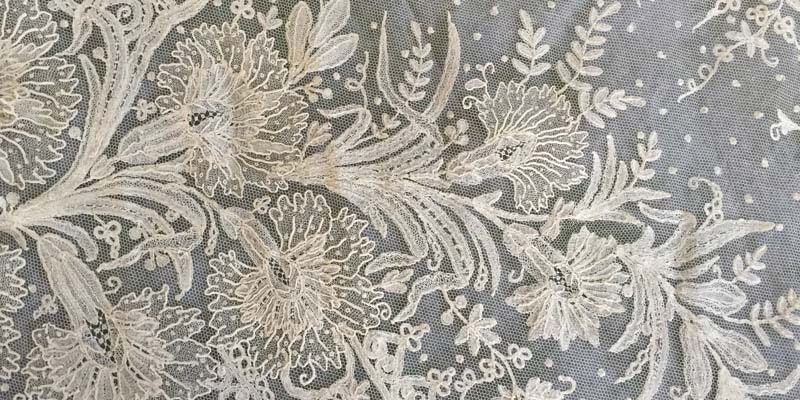
It’s here—PieceWork’s 10th Annual Lace Issue! In this, one of our most popular issues, several of the articles and projects celebrate lace for that most special of occasions, the wedding. Bridal lace’s enchanting allure endures throughout time. There is no better demonstration of this than the Green family’s lace wedding veil, which has been worn by 24 brides!
The story of the Green family’s lace wedding veil begins when Mary Elizabeth Mulligan (August 31, 1835–March 8, 1911) selected a point d’Angleterre lace veil to wear for her wedding to Robert Stockton Green (March 25, 1831–May 7, 1895). The ceremony took place on October 1, 1857, but unfortunately, there is no surviving photograph of the bride and groom on their special day. All that remains from their nuptials is the lace wedding veil.

The Green family’s wedding veil. Point d’Angleterre lace. Linen thread. The veil was originally worn by Mary Elizabeth Mulligan Green for her October 1, 1857, wedding. 3.8 ounces (107.7 g). Photograph by Catherine S. Vodrey.
In the article “Threads of Tradition: The Story of the Green Family’s Wedding Veil,” Kathy Augustine explains why this family veil is so special, “Lacemaking is a skill requiring meticulous attention to detail. During the nineteenth century, it was hand-produced by thousands of talented unnamed women, who toiled for countless hours. Constructed of fine linen threads, Brussels lace also has been referred to as point d’Angleterre. Whether named so because of the belief that the thread was of English origin or in reference to its ultimate market destination, experts agree that the workmanship of this lace was of exceptional quality.”

Detail of the Green family’s wedding veil. Point d’Angleterre lace. Linen thread. The veil was originally worn by Mary Elizabeth Mulligan Green for her October 1, 1857, wedding. 3.8 ounces (107.7 g). Photograph by Catherine S. Vodrey.
Little did Mary know that over the next one hundred and fifty years, brides wearing her veil would become a family tradition. In PieceWork’s May/June 2017 issue, some of the Green brides share their stories of their weddings and wearing this exquisite veil. In her 1953 book, Lace and Lace Making, noted lace historian Marian Powys endorses the use of heirloom lace, “There is a general idea that pearls are more alive and glowing when worn and enjoyed than when put away in jewel cases and dark places. The same applies to lace. Anything would rather suffer from wear and tear than from gradual disintegration in the dark.” We couldn’t agree more!
Enjoy the issue!
Elizabeth
More from PieceWork
 Long Thread Podcast: Emily Whitted, Texile HistorianSeason 15, Episode 3: Exploring collections of early American cloth, Emily Whitted finds stories of creativity, virtue, and the intimate lives of people from many backgrounds.Anne Merrow · July 28, 2026
 Long Thread Podcast: Loretta Pettway Bennett, Gee’s Bend QuilterSeason 15, Episode 2: A fifth-generation quilter from the legendary community of Gee’s Bend, Alabama, Loretta Pettway Bennett turns well used cloth into her own expressions of color and community.Anne Merrow · July 11, 2026
 From Ticking to Treasure: Reimagining Victorian Embroidered CasesStitch and sew a charming embroidered-ticking bag based on an 1863 pattern.Colleen Formby · May 21, 2026
 Long Thread Podcast: Curtis Gregory, George Washington Carver National MonumentSeason 14, Episode 5: Best known for his work with peanuts, renowned agricultural scientist George Washington Carver had a lifelong passion for needlework. Park Ranger Curtis Gregory shares stories about Carver’s interests in handwork and natural dyeing. Anne Merrow · April 4, 2026
 The Modern Language of TattingWhile the core of the craft has remained the same, the language of patterns has evolved over time.Katrina King · March 30, 2026
 Ceremonies and Celebrations: PieceWork Call for Submissions Spring 2027We're seeking articles and projects that illuminate the role of needlework in ceremonies and celebrations, from wedding finery to ritual textiles.
Karen Elting Brock · March 23, 2026
Ceremonies and Celebrations: PieceWork Call for Submissions Spring 2027We're seeking articles and projects that illuminate the role of needlework in ceremonies and celebrations, from wedding finery to ritual textiles.
Karen Elting Brock · March 23, 2026 Discover an Irish Crochet Masterpiece and One Woman's Journey from Hardship to LegacyLearn the story of a determined dressmaker and her daughters and their precious Irish lace wedding jacket from 1881.Lowanne E. Jones · March 12, 2026
 Mark Twain’s Invention: The Surprising Origin of the Modern Bra StrapDiscover Mark Twain's contributions not only to the literary world, but also to fashion history. Mimi Seyferth · March 2, 2026
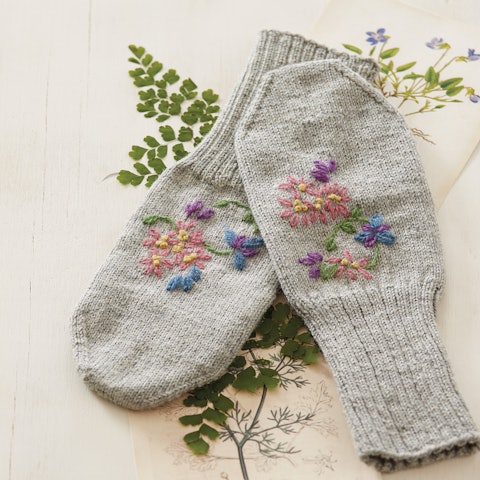 Mittens of Memory: Beauty and Resilience in Wartime AmericaA pair of hand-embroidered mittens from a World War II relocation camp serve as a testament to resilience and the sustaining power of craft. And you can make them, too.Susan Strawn · January 26, 2026
 Long Thread Podcast: Elena Kanagy-Loux, Lacemaker & Historian (classic)Season 13, Episode 9: Ethereal, durable, ornamental, powerful—what does lace mean to you? Through academic study and the work of her hands, Elena Kanagy-Loux teaches that lace is all of these things and more.Anne Merrow · January 10, 2026
From the Library


Comments
No comments yet — be the first to share your thoughts.
Sign in to join the conversation — commenting is for signed-in members.