
Loading the latest stories…
Peel back the layers of needlework history and uncover more about historical textiles from around the globe in the Summer 2020 issue of PieceWork.
Kate Larson1 min read
Necessity is certainly the mother of invention, and skillful needleworkers of all types learn to ease in, let out, and make do. Whether knitter or crocheter, seamstress or tatter, all textile pursuits have their own dilemmas and (sometimes controversial) solutions.
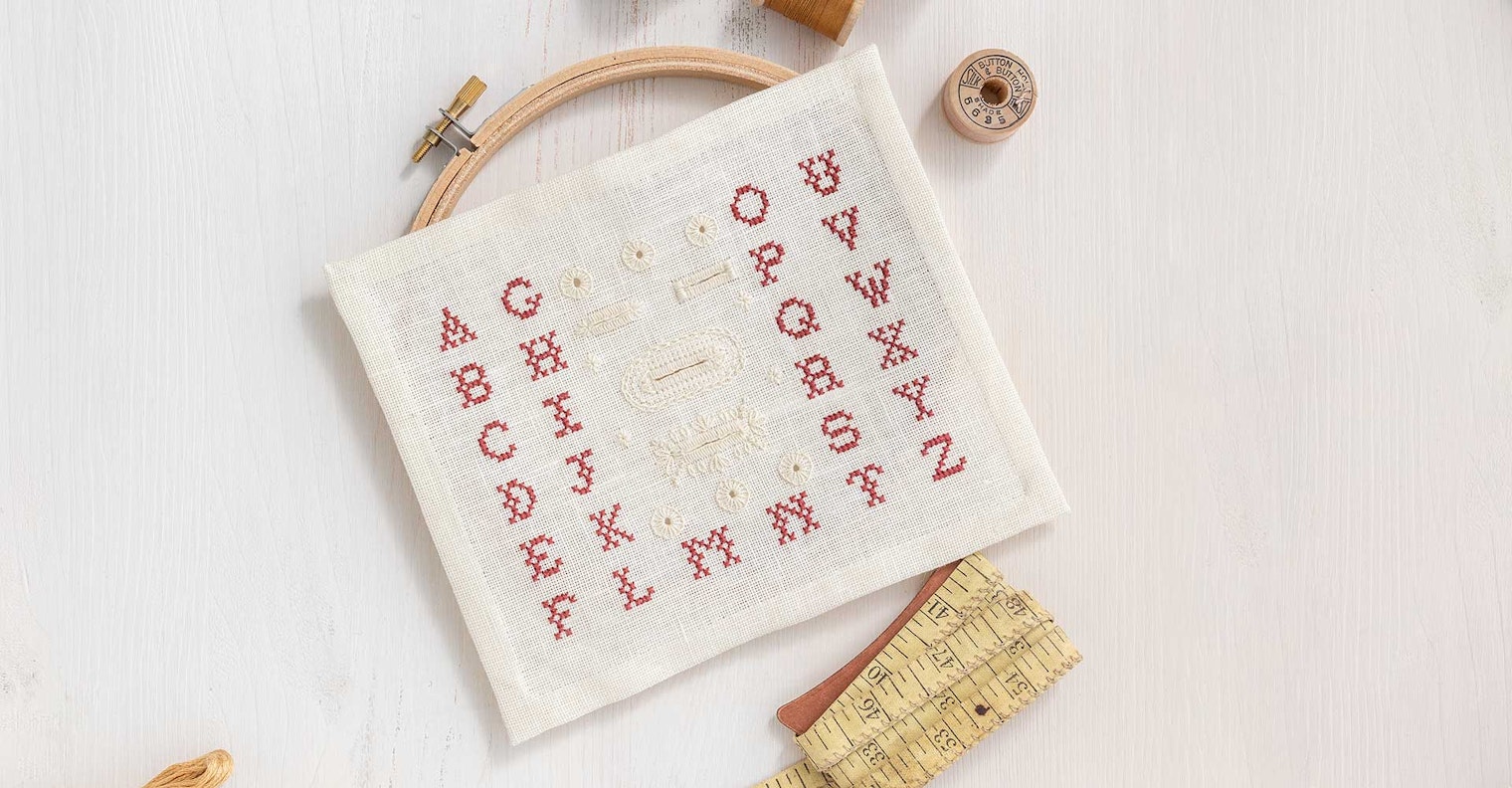
I love exploring the heady mix of problem-solving versus tried-and-true needlework rules across cultures and time. In this issue, Susan J. Jerome’s article on handsewn buttonholes highlights this push/pull of innovation and tradition so well. Buttonholes were to be practiced, perfected, and judged; samplers might serve as a résumé for marriage or work. However, Susan also explains how buttonholes continued evolving and the wonder of a modern sewing machine.
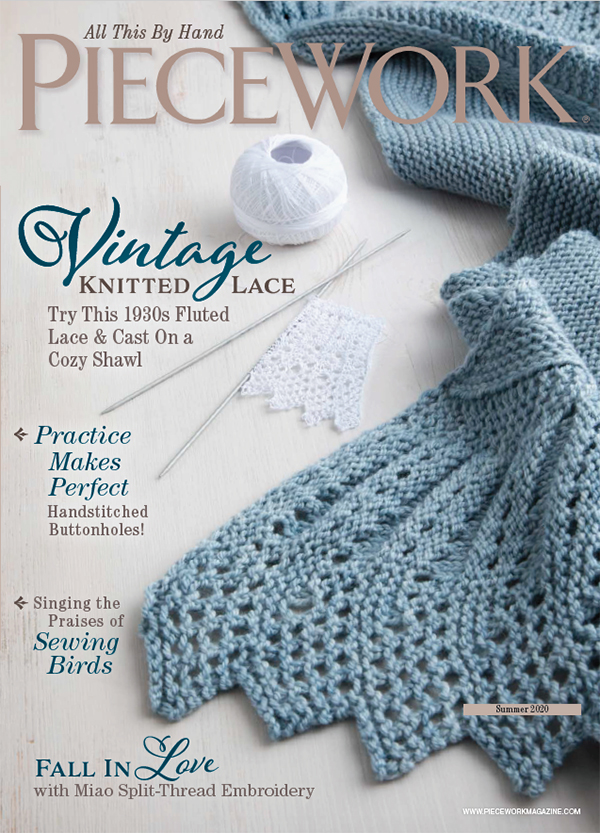
And I think many of us are equally interested in the techniques and traditions that were left behind. Sarah Wroot looks to the makers of medieval Greenland for guidance on her handstitched garment seams. Olle-Petter Melin offers us four methods of multicolor knitting and good reasons that we should learn and use each one.
Today’s makers can look to historic needlework as a reservoir of knowledge and experience. However, there are other lessons, too. We can look at the past and see that traditions and textiles are always changing, that traditions can be lost, and that learning about the makers that came before us allows us to carry their work forward into the future.
—Kate Larson, Editor
Download your copy of the Summer 2020 issue of PieceWork today.
More from PieceWork
From the Library





Comments
No comments yet — be the first to share your thoughts.
Sign in to join the conversation — commenting is for signed-in members.