
Loading the latest stories…
SUBTam
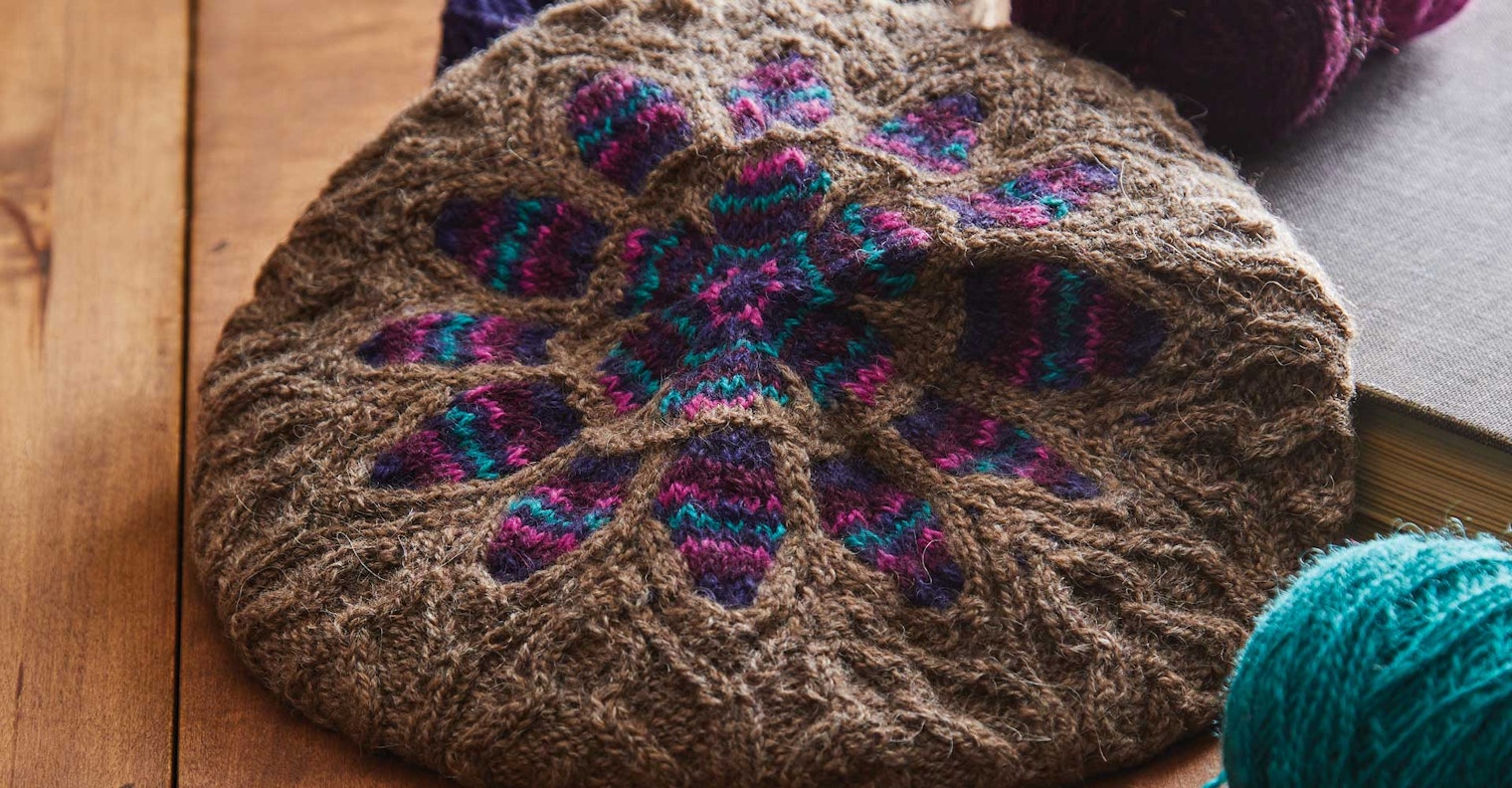
Notre-Dame shines as an example of early Gothic structure with its massive flying buttresses that offset the weight of the tall walls.
Laura Ricketts5 min read
On April 15, 2019, just before 6:20 p.m. local time, the world was startled to hear that the Notre-Dame Cathedral in Paris was burning. I have a BBC news alert on my phone, so I found out right away. What an awful feeling—to know, as the firefighters struggled, that la forêt (the frame) was burning, and not to know if they would be able to put the fire out.
Notre-Dame is a centuries-old structure and an amazing feat of architectural engineering. Begun in 1163, it was built on the ruins of two other churches (and a temple to Jupiter) and took almost two hundred years to complete. Notre-Dame shines as an example of early Gothic structure with its massive flying buttresses that offset the weight of the tall walls. The rose windows were also a newer architectural feature, and only possible in the thinner walls of the Gothic style, as opposed to the thicker defensive walls of the earlier Romanesque churches. Notre-Dame’s three great rose windows are world famous for their size, beauty, and age.
I have had the privilege to be in Notre-Dame twice. Twice, I have felt the beauty of her twelfth-century indigo-colored glass, glowing in overcast Parisian sunlight. But one does not need to set foot in this UNESCO World Heritage building to be affected by the threat of its demise.
Notre-Dame is more than a building for today’s French people. It has entered into the collective lieu de mémoire (realm of memory); through the passage of time, it has become a symbolic part of the memorial heritage of the French people—and, not only for the French, but for so many of the world’s citizens. Just think of the crowds that surrounded Notre-Dame as it burned. Tourists who were interviewed had come from every corner of the globe. These tourists had come to the City of Lights to sit at the foot of Notre-Dame on the ıîle de la Cité.
As for lieu de mémoire, one of the first things I thought of when I heard Notre-Dame was burning was my friend Kelly, a spinning buddy in my regional group. Just a year ago, she and her husband, Murle, had been in Paris and had climbed to the top of Notre-Dame in the roof tour. Murle had surprised her at Christmas with the trip. They laughed and ate their way through Paris and had the time of their lives, although Murle had what seemed a small physical complaint. When they returned, he was diagnosed with a rare cancer. At the one-year anniversary of their trip to Paris, both Murle and la forêt of Notre-Dame were gone.
This tam project is based on the upper rose window of the south façade in Notre-Dame, and is the third in a series of stained-glass inspired tams I have designed and knitted. The window was part of the attic set in the timber frame. This explains its demise in the fire, while the three ancient stained-glass rose windows in the sanctuary survived. I have interpreted this upper rose window in the beautiful colors familiar to the ancient glass, but I hope those who want to respond to the burning will replace the blues and pinks with oranges and reds for the fire.
Log in to access this subscriber-exclusive pattern.
More from PieceWork


Comments
No comments yet — be the first to share your thoughts.
Sign in to join the conversation — commenting is for signed-in members.