
Loading the latest stories…
Over the years, we have had a variety of PieceWork contests for our readers to showcase their stellar needlework skills. The inaugural contest featuring pincushions was among the most popular—a testament to the importance of this needlework necessity.
Piecework Editorial Staff2 min read
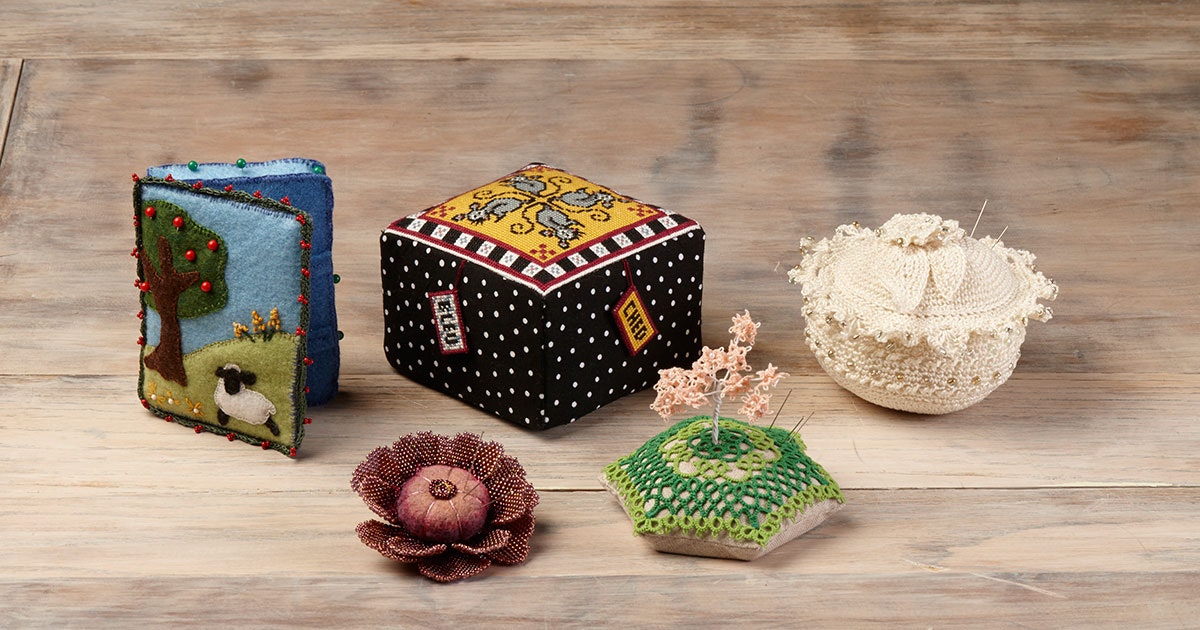
Over the years, we have had a variety of PieceWork contests for our readers to showcase their stellar needlework skills. The inaugural contest featuring pincushions was among the most popular—a testament to the importance of this needlework necessity.
The September/October 1999 issue of PieceWork included our announcement for this inaugural PieceWork Pincushion Contest in 2000 along with Dorothy Panaceck’s article on the history of pincushions. Here are a few of the fascinating facts from Dorothy’s article:

Ana Garcia’s beaded Lotus Blossom pincushion.
“Pins, needles, and pincushions are commonplace today. Before the invention in the 1820s of machinery to make pins, however, pins and needles were precious handmade commodities. Women often had only one fine needle; farmers would trade crops for needles and pins; estate inventories and wills from the fourteenth and fifteenth centuries included needles and pins. Pins were so expensive and scarce in England throughout the fourteenth and fifteenth centuries that Parliament limited the sale of pins to the first two days of January each year. Women saved all year to have enough money to buy pins on the sale days (this is the origin of the term “pin money”). A place to keep these valuables from getting lost, rusty, or dull was thus a very important needlework accessory.”
The first, second, and third place winners of the inaugural PieceWork Pincushion Contest were announced in the July/August 2000 issue. Step-by-step instructions and any necessary charts and illustrations for making the three winning pincushions are included.

Tamara Webb’s tatted pincushion Cherry Blossoms in Washington D.C.
As with the previous contests, the 2015 Pincushion Contest was a hit. We were amazed by and delighted with the entries. Our sincere thanks go to each person who entered and to our generous sponsors who provided $250 in products for the five first-place winners. In addition to our first-place and honorable mention winners, our judges also selected five of the entries for a PieceWork eBook, Pincushions: 5 New Pincushion Designs to Bead, Crochet, Tat, Cross-Stitch, and Appliqué! Here you will find instructions for making these five amazing pincushions and information on the companies that were our 2015 contest sponsors. Enjoy!
—The PieceWork Staff
Download a copy of the PieceWork eBook Pincushions: 5 New Pincushion Designs to Bead, Crochet, Tat, Cross-Stitch, and Appliqué to stitch your own delightful pincushion. Read about a whimsical Victorian pincushion in our blog post, “<a href="https://pieceworkmagazine.com/victorian-pincushions/" rel="noopener" target="blank">Victorian Pincushions: Weldon’s Toilet Pincushion.”
The five pincushions selected for the PieceWork eBook, Pincushions: 5 New Pincushion Designs to Bead, Crochet, Tat, Cross-Stitch, and Appliqué. Photos by Joe Coca.
More from PieceWork
 Long Thread Podcast: Emily Whitted, Texile HistorianSeason 15, Episode 3: Exploring collections of early American cloth, Emily Whitted finds stories of creativity, virtue, and the intimate lives of people from many backgrounds.Anne Merrow · July 28, 2026
 Long Thread Podcast: Loretta Pettway Bennett, Gee’s Bend QuilterSeason 15, Episode 2: A fifth-generation quilter from the legendary community of Gee’s Bend, Alabama, Loretta Pettway Bennett turns well used cloth into her own expressions of color and community.Anne Merrow · July 11, 2026
 From Ticking to Treasure: Reimagining Victorian Embroidered CasesStitch and sew a charming embroidered-ticking bag based on an 1863 pattern.Colleen Formby · May 21, 2026
 Long Thread Podcast: Curtis Gregory, George Washington Carver National MonumentSeason 14, Episode 5: Best known for his work with peanuts, renowned agricultural scientist George Washington Carver had a lifelong passion for needlework. Park Ranger Curtis Gregory shares stories about Carver’s interests in handwork and natural dyeing. Anne Merrow · April 4, 2026
 The Modern Language of TattingWhile the core of the craft has remained the same, the language of patterns has evolved over time.Katrina King · March 30, 2026
 Ceremonies and Celebrations: PieceWork Call for Submissions Spring 2027We're seeking articles and projects that illuminate the role of needlework in ceremonies and celebrations, from wedding finery to ritual textiles.
Karen Elting Brock · March 23, 2026
Ceremonies and Celebrations: PieceWork Call for Submissions Spring 2027We're seeking articles and projects that illuminate the role of needlework in ceremonies and celebrations, from wedding finery to ritual textiles.
Karen Elting Brock · March 23, 2026 Discover an Irish Crochet Masterpiece and One Woman's Journey from Hardship to LegacyLearn the story of a determined dressmaker and her daughters and their precious Irish lace wedding jacket from 1881.Lowanne E. Jones · March 12, 2026
 Mark Twain’s Invention: The Surprising Origin of the Modern Bra StrapDiscover Mark Twain's contributions not only to the literary world, but also to fashion history. Mimi Seyferth · March 2, 2026
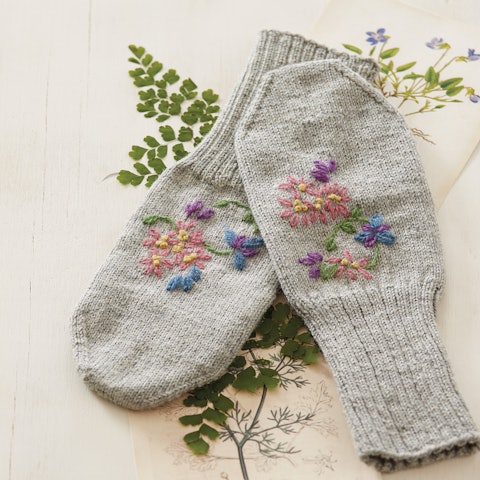 Mittens of Memory: Beauty and Resilience in Wartime AmericaA pair of hand-embroidered mittens from a World War II relocation camp serve as a testament to resilience and the sustaining power of craft. And you can make them, too.Susan Strawn · January 26, 2026
 Long Thread Podcast: Elena Kanagy-Loux, Lacemaker & Historian (classic)Season 13, Episode 9: Ethereal, durable, ornamental, powerful—what does lace mean to you? Through academic study and the work of her hands, Elena Kanagy-Loux teaches that lace is all of these things and more.Anne Merrow · January 10, 2026
From the Library


Comments
No comments yet — be the first to share your thoughts.
Sign in to join the conversation — commenting is for signed-in members.