
Loading the latest stories…
The fashion doll was a popular portrayer of style in the eighteenth century and the predecessor of fashion plates and then fashion magazines.
Jeane Hutchins3 min read
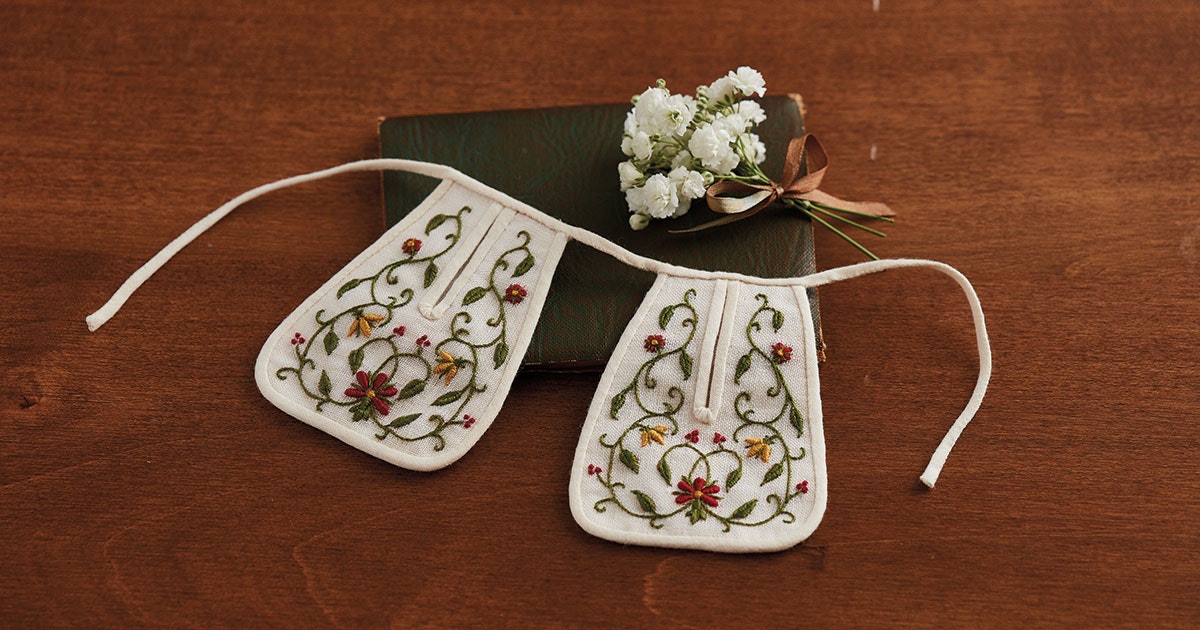
Elisabeth Jenkins Baty’s entry in the PieceWork Miniatures Contest 2016—Miss Elisabeth’s Finery: An 18th-Century Lady’s Accoutrements—won an award and led to conversations with Elisabeth about the wonderful world of the fashion doll, a popular portrayer of style in the eighteenth century and the predecessor of fashion plates and then fashion magazines. The conversations, in turn, led to Elisabeth’s article and two projects (exquisite fashion accessories to embroider and sew) in the Spring 2019 issue of PieceWork!
The fashion doll from the collection of the Rijksmuseum in Amsterdam that is shown in Elisabeth’s article wears a robe à la Française (gown in the French style). I can’t explain why, but I have become somewhat obsessed with this particular style of dress. Most of the gowns are drop-dead gorgeous, the embroidery is exquisite, and the accessories are miniature jewels. But that’s not unusual for a variety of period handmade clothing. I think the reason I delved into robes à la Française was to see if I could understand why these incredibly impractical gowns became so popular.
The Metropolitan Museum of Art in New York has a number of these gowns in its collection. Here is some additional information on them from the Metropolitan’s website:

Robe à la Française (gown in the French style). Silk, metallic thread. England. 1750. Collection of The Metropolitan Museum of Art, New York, New York; purchase, Irene Lewisohn Bequest, 1965. Photo courtesy of The Metropolitan Museum of Art.
Above is an image of a life-size example from the Metropolitan’s collection. As noted, and surely applicable to this image, the wearer would have had to turn sideways to enter or leave a room—inconvenient at the very least. But I have other questions: Was it improper to rest one’s arms on the dress? Did people set plates and drinks on it at parties? Who thought this was a good idea? To view other examples of these gowns, visit the Metropolitan’s website. It appears that this style of gown started to become more wearable as the years progressed.
The fashion doll article and companion projects are only the tip of the iceberg; here are some other highlights from this issue of PieceWork:

Mimi Seyferth’s Molière’s Nigthcap to Embroider and Sew. Photo by George Boe.

Carolyn Wyborny adapted a lace-knitted edging from Volume 5 of Weldon’s Practical Needlework for her ingenious shawl project. Photo by George Boe.
I hope you’ve enjoyed this sneak peek at our newest issue. There’s so much more!
—Jeane
Featured Image: Elisabeth Jenkins Baty’s miniature fashion accessories designed for a fashion doll. These pockets measure a scant 2 ⅜ inches at the widest part and 3 includes long. Photo by George Boe.
More from PieceWork
From the Library




Comments
No comments yet — be the first to share your thoughts.
Sign in to join the conversation — commenting is for signed-in members.