
Loading the latest stories…
Keeping your textile collection safe starts with storing items away from light, potential water damage, and pests. However, this isn’t enough when it comes to delicate, antique, or heirloom cloth. Here are two of the most important things to know.
Christina Garton2 min read
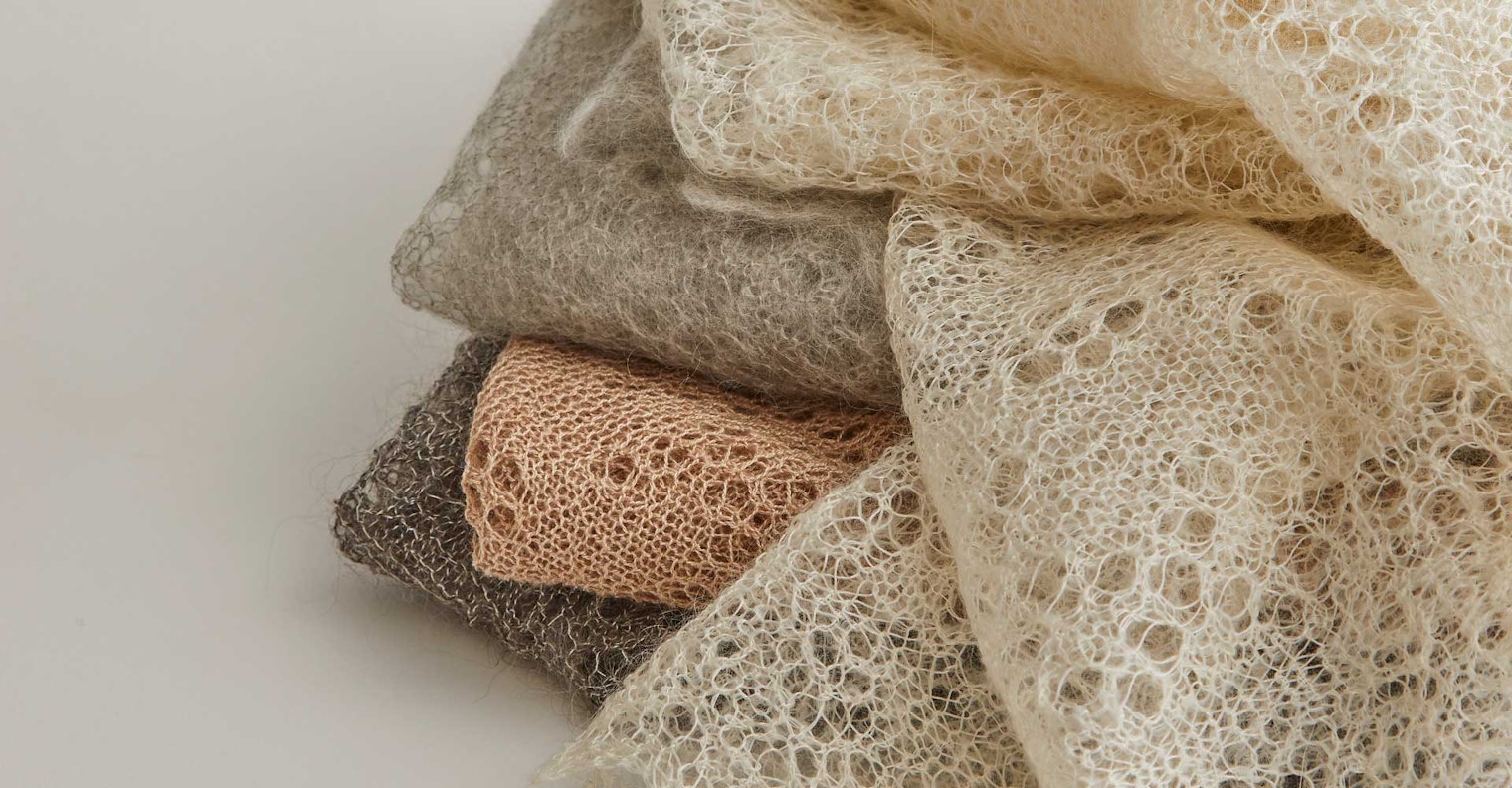
The biggest mistake made with many antique textiles—especially those brought out infrequently, such as table linens—is folding them before storage. Any time you fold a piece of cloth, you’re creating weakness at the folds and especially at the corners where folds meet. Anyone who frequents antiques stores and estate sales is familiar with this damage: cloth with ingrained folds. Sometimes, these folds weaken the cloth to the point where simply unfolding it can cause rips and tears.
Prevent damage by storing small textiles flat and gently rolling large pieces of fabric for storage. Try to fold them as little as possible and pad them at the folds.
There are some notable exceptions to this rule. Tapestries and rugs should always be rolled, never folded, and painted textiles should not be folded or rolled since that can cause the paint to flake. Garments are ideally stored flat. If they must be folded, pad areas that might easily wrinkle (sleeves, for example) and fold along seamlines. If garments must be hung, use a well-padded hanger and give the garments plenty of room in the closet so they don’t get squished. Any wrinkle can potentially become a weak point.
General-use cardboard can cause significant damage to fabric because it off-gasses and is highly acidic. In a perfect world, everyone would use archival boxes to store delicate textiles, but these boxes can get expensive. I use plastic tubs with lids for most of my heirloom textiles, taking care to air them regularly and to always have a buffer material between my textiles and the plastic itself. For rugs or tapestries, I keep them covered in undyed, 100 percent cotton fabric.
A helpful archival material to invest in is acid-free, archival tissue paper, which is available as “buffered” and “unbuffered.” Buffered tissue paper has special additives to help counteract any acids that might be released from the fabric. This type of tissue is best for plant-based fibers. Unbuffered tissue paper hasn’t been treated in this way and is best for protein-based fabrics. If a fabric is a mix of plant and protein, or if you’re uncertain about the fibers or dyes used, always choose unbuffered.
This tissue paper can be used when rolling textiles: layer the flat textile with acid free tissue and then roll it so the fabric does not touch itself. I recommend replacing the tissue paper after a period of time because it can lose its acid-free properties. If you’re ordering from a business that specializes in archival goods, they should be able to advise you.
Another, less costly option is to use undyed, 100 percent cotton fabric to pad or wrap textiles in storage boxes, or to wrap rolled fabrics too large for storage containers.
Stay tuned for Part 2 of Christina's tips for safely storing your treasured textiles. -Editor
More from PieceWork
 Stitching a Tribute and a MemoryWhat do we do with needlework heirlooms that we cannot let go?Linda Ligon · June 22, 2026
 The Needleworker’s Ultimate Resource Guide to Celebrating America’s 250thFrom commemoration to inspiration, we’ve gathered 30+ exhibitions, events, and resources to help you join the festivities.Karen Elting Brock · March 19, 2026
 Discover an Irish Crochet Masterpiece and One Woman's Journey from Hardship to LegacyLearn the story of a determined dressmaker and her daughters and their precious Irish lace wedding jacket from 1881.Lowanne E. Jones · March 12, 2026
 America’s Tapestry: An Embroidered Revolution Blending historical research with masterful needlework, the America’s Tapestry project translates Revolutionary-era stories into vivid embroidered panels.
Karen Elting Brock · February 9, 2026
America’s Tapestry: An Embroidered Revolution Blending historical research with masterful needlework, the America’s Tapestry project translates Revolutionary-era stories into vivid embroidered panels.
Karen Elting Brock · February 9, 2026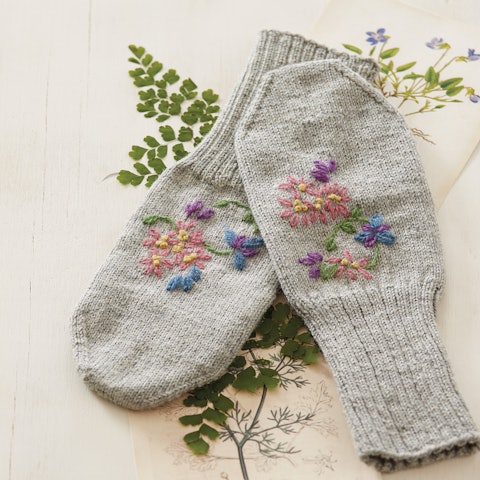 Mittens of Memory: Beauty and Resilience in Wartime AmericaA pair of hand-embroidered mittens from a World War II relocation camp serve as a testament to resilience and the sustaining power of craft. And you can make them, too.Susan Strawn · January 26, 2026
 Honoring America’s Needlework Legacy: Inside Our Spring 2026 IssueOur Spring 2026 issue commemorates 250 years of needlework in America, tracing the stitches, stories, and traditions that have shaped the nation.Karen Elting Brock · January 15, 2026
 More than White Gloves: Three First Ladies and the Power of Needlework Even in the White House, needle and thread offered moments of creativity and comfort for three extraordinary women.Karen Elting Brock · January 8, 2026
 From the Quirky Corners of Needlework History—Our Top 10 Stories of 2025Discover which 2025 web articles featuring fun and fascinating details of needlework history rose to the top as our readers’ favorites.Karen Elting Brock · January 5, 2026
 To Have and to Hold: Mending in a Material WorldMending is an act of care, memory, and resistance in a world built on disposability. Harikleia Sirmans reflects on growing up in a Greek village where clothes were repaired, remade, and cherished.Harikleia Sirmans · January 1, 2026
 Celebrating the Art of Chinese Patchwork: One Hundred Stitches, One Hundred Villages Discover a hidden tradition at the newest exhibition at the Museum of Fine Arts, Boston. It’s the latest destination in our A Place to Come To series, highlighting remarkable exhibitions and collections.Karen Elting Brock · December 29, 2025
From the Library

Comments
No comments yet — be the first to share your thoughts.
Sign in to join the conversation — commenting is for signed-in members.