
Loading the latest stories…
Preserved among the records of The Foundling Museum, site of the former London Foundling Hospital, is what is now recognized as the largest collection in Britain of everyday textiles from the eighteenth century.
Piecework Editorial Staff1 min read
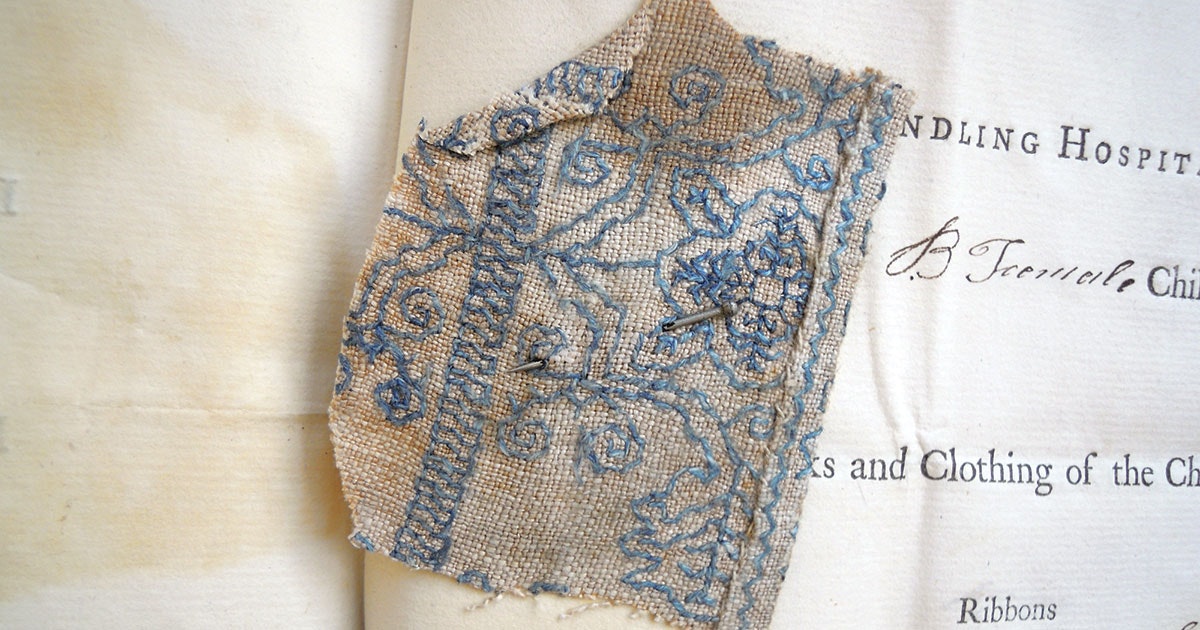
Preserved among the records of The Foundling Museum, site of the former London Foundling Hospital, is what is now recognized as the largest collection in Britain of everyday textiles from the eighteenth century. In the 2010–2011 exhibition Threads of Feeling, the museum presented for the first time a selection of textiles that tell the touching stories of thousands of babies abandoned at the hospital between 1741 and 1760 by their often desperate mothers.

Silk fringe left with Foundling 2584 when the baby was placed in the London Foundling Hospital between 1741 and 1760. Photo courtesy of The Foundling Museum and © Coram.
When giving up a baby to the hospital, the mother was encouraged to leave an identifying object with the baby—often a swatch of fabric, perhaps cut from her own clothing, which was then pinned to the baby’s admission form with a detailed description. As the hospital recorded neither the mother’s nor the child’s name, the pieces of fabric would serve as identification in case the child was later reclaimed. The fabrics, which range from colorful patterned cottons and coarse striped linens to bits of silk fringe and ribbons (some of the latter knotted into ornamental cockades), belie the widely held notion that the clothing of the mid-eighteenth-century working class was uniformly dark and drab.

Ribbon with a pink and black geometrical pattern left with Foundling 6671 when the baby was placed in the London Foundling Hospital between 1741 and 1760. Photo courtesy of The Foundling Museum and © Coram.
A permanent online exhibition presents a slide show of some of the admission forms seen in the museum’s exhibition. Accompanying each image is a description of the fabric remnant and the foundling’s number. For more information, contact The Foundling Museum, www.foundlingmuseum.org.uk.
This article originally appeared in the July/August 2011 issue of PieceWork.
Featured Image: Blackwork embroidery worked in blue thread left with Foundling 13155 when the baby was placed in the London Foundling Hospital between 1741 and 1760. Photo courtesy of The Foundling Museum and © Coram.
More from PieceWork
 Long Thread Podcast: Emily Whitted, Texile HistorianSeason 15, Episode 3: Exploring collections of early American cloth, Emily Whitted finds stories of creativity, virtue, and the intimate lives of people from many backgrounds.Anne Merrow · July 28, 2026
 Long Thread Podcast: Loretta Pettway Bennett, Gee’s Bend QuilterSeason 15, Episode 2: A fifth-generation quilter from the legendary community of Gee’s Bend, Alabama, Loretta Pettway Bennett turns well used cloth into her own expressions of color and community.Anne Merrow · July 11, 2026
 From Ticking to Treasure: Reimagining Victorian Embroidered CasesStitch and sew a charming embroidered-ticking bag based on an 1863 pattern.Colleen Formby · May 21, 2026
 Long Thread Podcast: Curtis Gregory, George Washington Carver National MonumentSeason 14, Episode 5: Best known for his work with peanuts, renowned agricultural scientist George Washington Carver had a lifelong passion for needlework. Park Ranger Curtis Gregory shares stories about Carver’s interests in handwork and natural dyeing. Anne Merrow · April 4, 2026
 The Modern Language of TattingWhile the core of the craft has remained the same, the language of patterns has evolved over time.Katrina King · March 30, 2026
 Ceremonies and Celebrations: PieceWork Call for Submissions Spring 2027We're seeking articles and projects that illuminate the role of needlework in ceremonies and celebrations, from wedding finery to ritual textiles.
Karen Elting Brock · March 23, 2026
Ceremonies and Celebrations: PieceWork Call for Submissions Spring 2027We're seeking articles and projects that illuminate the role of needlework in ceremonies and celebrations, from wedding finery to ritual textiles.
Karen Elting Brock · March 23, 2026 Discover an Irish Crochet Masterpiece and One Woman's Journey from Hardship to LegacyLearn the story of a determined dressmaker and her daughters and their precious Irish lace wedding jacket from 1881.Lowanne E. Jones · March 12, 2026
 Mark Twain’s Invention: The Surprising Origin of the Modern Bra StrapDiscover Mark Twain's contributions not only to the literary world, but also to fashion history. Mimi Seyferth · March 2, 2026
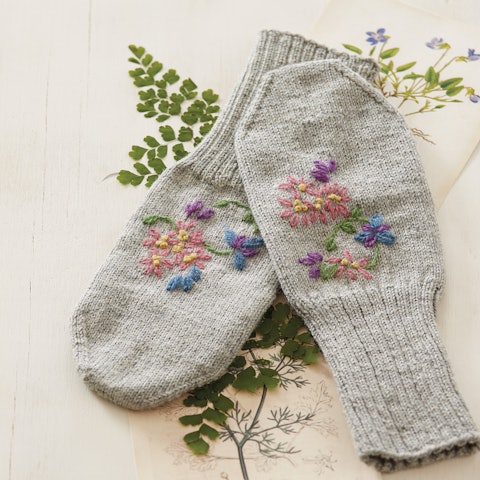 Mittens of Memory: Beauty and Resilience in Wartime AmericaA pair of hand-embroidered mittens from a World War II relocation camp serve as a testament to resilience and the sustaining power of craft. And you can make them, too.Susan Strawn · January 26, 2026
 Long Thread Podcast: Elena Kanagy-Loux, Lacemaker & Historian (classic)Season 13, Episode 9: Ethereal, durable, ornamental, powerful—what does lace mean to you? Through academic study and the work of her hands, Elena Kanagy-Loux teaches that lace is all of these things and more.Anne Merrow · January 10, 2026
From the Library


Comments
No comments yet — be the first to share your thoughts.
Sign in to join the conversation — commenting is for signed-in members.