
Loading the latest stories…
The seventh edition of PieceWork’s Knitting Traditions, Fall 2013, is all about lace—its magic and mystery and its ethereal quality—as expressed in knitting.
Piecework Editorial Staff2 min read
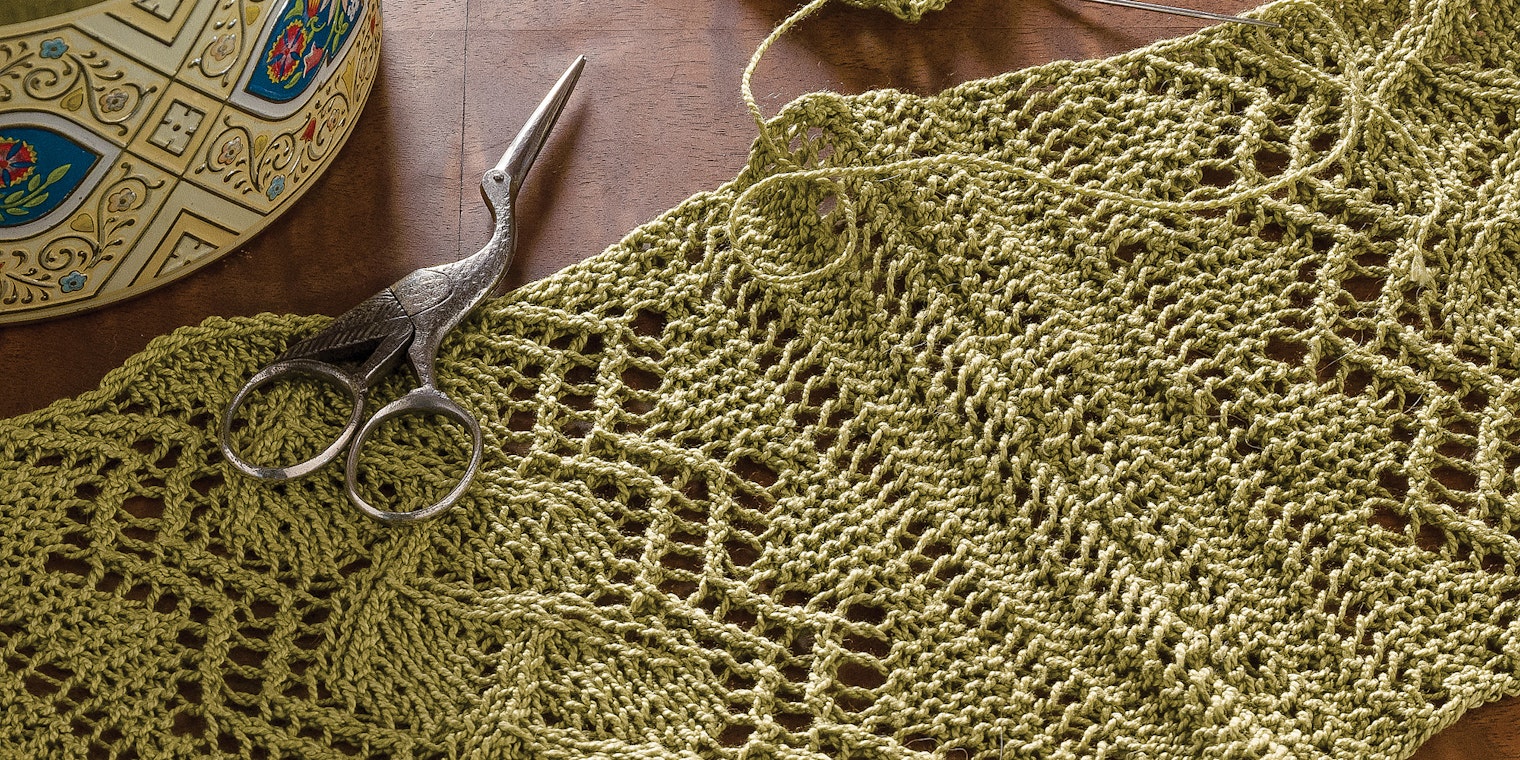
The seventh edition of PieceWork’s Knitting Traditions, Fall 2013, is all about lace—its magic and mystery and its ethereal quality—as expressed in knitting. The word “lace” comes from the Latin verb laqueare, “to ensnare.” Many believe that lace originated with efforts to reproduce the web made by nature’s consummate lacemaker, the spider.
The openwork fabric that would come to be known as lace originated in the sixteenth century, and the lace industry quickly became a force to be reckoned with. Lace made and broke national economies. Women and men died trying to possess the best examples. Smugglers devised creative (and some ghoulish) ways to avoid paying taxes and duties on it. Numerous governments established laws that restricted who could wear it.
Each piece of lace speaks so eloquently to the beauty and value of work done by someone’s hand, whether that of an unknown maker of the past or one of today’s practitioners of lace knitting. And the lacemakers’ stories are just as intriguing as their lace.
 Delicate opalescent beads highlight the open-stitch pattern of strong diagonal lines in Anniken Allis’s luxurious beaded stole.
In addition to new patterns designed for this special issue, our archives yielded a selection of older lace patterns that are no longer widely available. In these pages, you’ll find stunning stoles, scarves, and shawls, plus an entire section with lace patterns from Victorian England, which were excerpted from Weldon’s Practical Needlework and include lacy edgings, doilies, socks, and more.
Although knitting lace came along a little later than lace in its earliest forms—bobbin and needle—its fascinating history is still centuries old, and its traditions grow stronger with the addition of each new lace knitter to the fold.
Interested in learning about lace? The Fall 2013 issue of Knitting Traditions is loaded with a wide variety of this ethereal technique.
Also, remember that if you are an active subscriber to PieceWork magazine, you have unlimited access to previous issues, including Knitting Tradtions Fall 2013. See our help center for the step-by-step process on how to access them.
Originally published August 14, 2018; updated June 18, 2019; updated June 26, 2023.
More from PieceWork
 Long Thread Podcast: Emily Whitted, Texile HistorianSeason 15, Episode 3: Exploring collections of early American cloth, Emily Whitted finds stories of creativity, virtue, and the intimate lives of people from many backgrounds.Anne Merrow · July 28, 2026
 Long Thread Podcast: Loretta Pettway Bennett, Gee’s Bend QuilterSeason 15, Episode 2: A fifth-generation quilter from the legendary community of Gee’s Bend, Alabama, Loretta Pettway Bennett turns well used cloth into her own expressions of color and community.Anne Merrow · July 11, 2026
 From Ticking to Treasure: Reimagining Victorian Embroidered CasesStitch and sew a charming embroidered-ticking bag based on an 1863 pattern.Colleen Formby · May 21, 2026
 Long Thread Podcast: Curtis Gregory, George Washington Carver National MonumentSeason 14, Episode 5: Best known for his work with peanuts, renowned agricultural scientist George Washington Carver had a lifelong passion for needlework. Park Ranger Curtis Gregory shares stories about Carver’s interests in handwork and natural dyeing. Anne Merrow · April 4, 2026
 The Modern Language of TattingWhile the core of the craft has remained the same, the language of patterns has evolved over time.Katrina King · March 30, 2026
 Ceremonies and Celebrations: PieceWork Call for Submissions Spring 2027We're seeking articles and projects that illuminate the role of needlework in ceremonies and celebrations, from wedding finery to ritual textiles.
Karen Elting Brock · March 23, 2026
Ceremonies and Celebrations: PieceWork Call for Submissions Spring 2027We're seeking articles and projects that illuminate the role of needlework in ceremonies and celebrations, from wedding finery to ritual textiles.
Karen Elting Brock · March 23, 2026 Discover an Irish Crochet Masterpiece and One Woman's Journey from Hardship to LegacyLearn the story of a determined dressmaker and her daughters and their precious Irish lace wedding jacket from 1881.Lowanne E. Jones · March 12, 2026
 Mark Twain’s Invention: The Surprising Origin of the Modern Bra StrapDiscover Mark Twain's contributions not only to the literary world, but also to fashion history. Mimi Seyferth · March 2, 2026
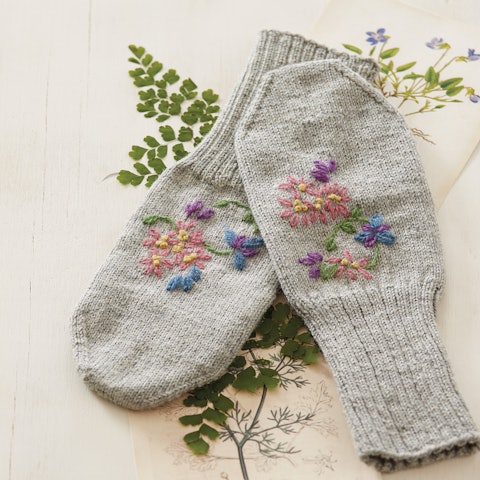 Mittens of Memory: Beauty and Resilience in Wartime AmericaA pair of hand-embroidered mittens from a World War II relocation camp serve as a testament to resilience and the sustaining power of craft. And you can make them, too.Susan Strawn · January 26, 2026
 Long Thread Podcast: Elena Kanagy-Loux, Lacemaker & Historian (classic)Season 13, Episode 9: Ethereal, durable, ornamental, powerful—what does lace mean to you? Through academic study and the work of her hands, Elena Kanagy-Loux teaches that lace is all of these things and more.Anne Merrow · January 10, 2026
From the Library


Comments
No comments yet — be the first to share your thoughts.
Sign in to join the conversation — commenting is for signed-in members.