
Loading the latest stories…
With a publication as well loved as PieceWork, we think a lot about the importance of making new friends but keeping the old, and never as much as when we welcome a new editor.
Pat Olski3 min read
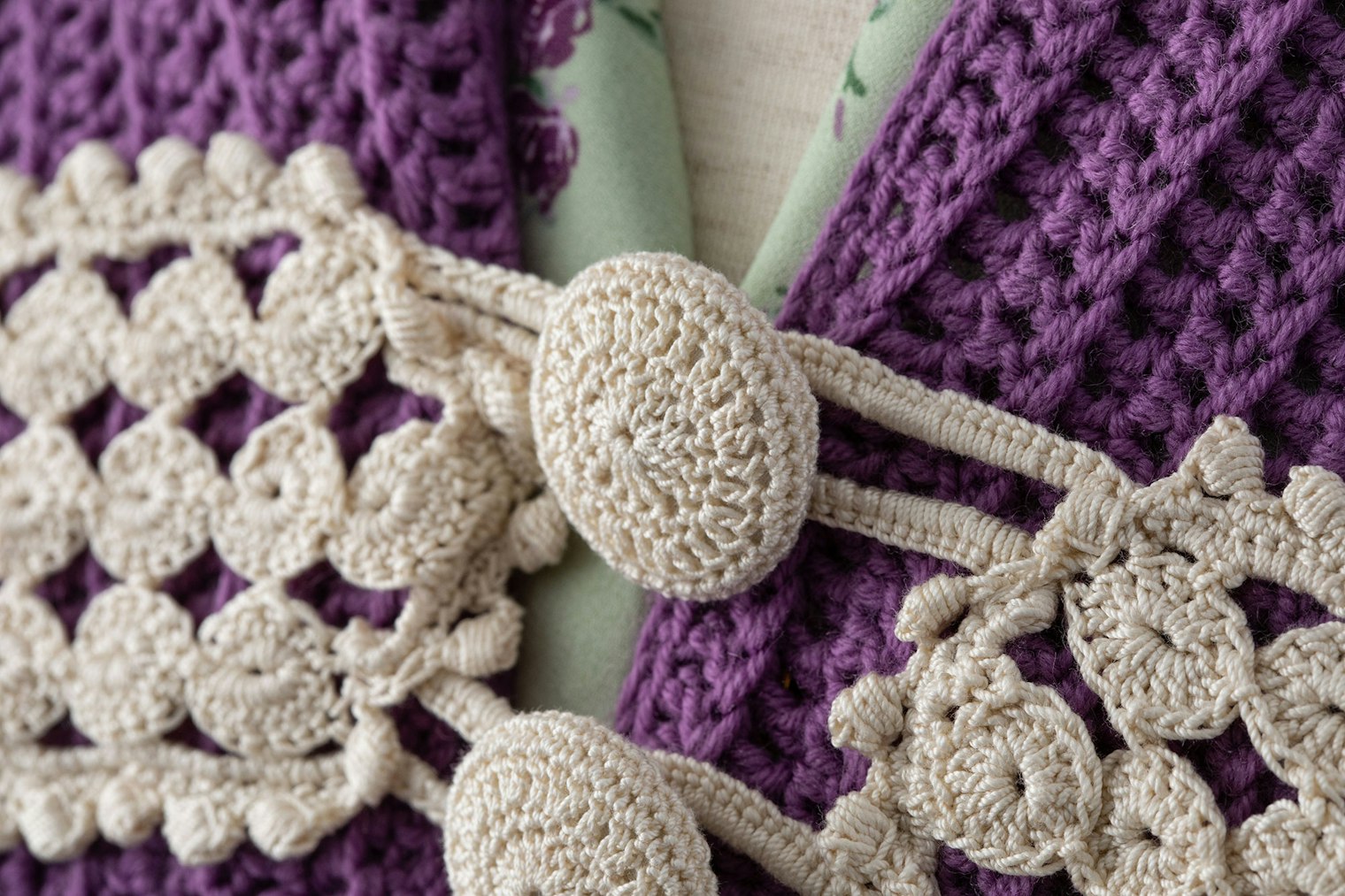
As a teacher, designer, writer, and editor of a variety of needlecrafts, Pat Olski has helped shape PieceWork magazine as a contributor and stepping into the editor’s role is a homecoming to her first fiber-arts love. We welcome Pat as the new editor of PieceWork with the Winter 2022 issue (and thank Kate Larson, who is devoting herself to Spin Off full-time, for wearing two hats for several years). Here’s Pat to share a little bit about her past and what led her to PieceWork. —Anne Merrow, Editorial Director
From the moment I picked up my first issue of PieceWork magazine, I knew it was going to be important—so important that I moved away from the crowded magazine section and walked over to a quiet spot to fully absorb what I held in my hands. As I stood in the checkout line with the November/December 1993 issue in hand, the cover quote beckoned to me: “And what is a stitch for? To hold. It binds past to present, old country to new, generation to generation.”
 Cover of PieceWork, November/December 1993
One of my earliest childhood memories is making clothing for my Barbie dolls on a knitting spool. I would patiently work my way around the wooden spool, hooking the (pink) yarn over loops covering the wire pegs, and then run to my mother to finish the last loops so that we could extricate the knitted tube. I still remember the feeling of triumph when I could finally force the dress over the head of my favorite doll. I have no doubt that many doll’s arms were removed and reattached in that process, but I knew one thing at the age of four—I was a knitter, and I had developed a special bond with my mother as we worked to create something special.
Multicolor yarn, sparkly beads, and walls of books were part of my childhood environment. My mother was an expert knitter, crocheter, and embroiderer, and my grandmother was a painstaking seamstress with skills that could rival those of any top tailor. However, they were both career women who were largely self-taught hobbyists, and I always sought more—the rich tales and time-honored traditions of needlework from around the world.
When I first opened the pages of PieceWork magazine, I stopped dead in my tracks: I had finally found the answers to the questions I had had my whole life as well as answers to questions I didn’t even know I had. Amid its colorful pages, I was exposed to projects I couldn’t wait to try in all different disciplines, from places far and near. I found my niche.
Over the years, I honed my skills and made a career in the needle arts. I am a knitter, crocheter, French hand sewist, quilter, tatter, lacemaker, embroiderer, and needlepointer. I have made Temari balls and hooked rugs and have, most recently, discovered a love for Dorset buttons.
 The annual Norwegian colorwork sweaters knitted by Pat Olski for her sons. Photo by Pat Olski
Motivated by designs in PieceWork, my creative path widened and twisted and turned in unexpected and enriching ways. The Norwegian sweaters I knitted years ago for my sons were inspired by sweaters I found on these pages, as is the Estonian shawl by Nancy Bush that I am still knitting now. I am constantly amazed at how many new-to-me techniques I discover in every issue, and I am delighted that there are contributors willing to share their narratives before these wondrous techniques are lost forever.
 Pat's Estonian shawl in progress from the book Knitted Lace of Estonia by Nancy Bush. Photo by Pat Olski
I am grateful to be able to present their stories and to play a part in strengthening the thread that binds us through time and distance: almost incomprehensibly “All This by Hand.”
Using our hands for needlework is an antidote to the time we spend placing our hands on a keyboard or a touch screen. We can’t all touch a crisp white linen hardanger-stitched table mat, shiny mirrors anchored by shisha stitches, lanolin-rich wool sweaters, a Japanese crane embroidered in shimmering silk threads, or a festive and bright handwoven Mexican cloak, but we can revel in them from these issues.
As a steward for these pages, and all those pages curated by the incredibly talented editors who came before me, my wish is that you may be able to absorb some of the creativity and positive healing that comes from working with fiber and that you can share your experiences in a welcoming community. What are your stories? What are your questions? I can’t wait to find out.
—Pat

Pat Olski, editor of PieceWork Magazine
More from PieceWork
 Long Thread Podcast: Emily Whitted, Texile HistorianSeason 15, Episode 3: Exploring collections of early American cloth, Emily Whitted finds stories of creativity, virtue, and the intimate lives of people from many backgrounds.Anne Merrow · July 28, 2026
 Long Thread Podcast: Loretta Pettway Bennett, Gee’s Bend QuilterSeason 15, Episode 2: A fifth-generation quilter from the legendary community of Gee’s Bend, Alabama, Loretta Pettway Bennett turns well used cloth into her own expressions of color and community.Anne Merrow · July 11, 2026
 From Ticking to Treasure: Reimagining Victorian Embroidered CasesStitch and sew a charming embroidered-ticking bag based on an 1863 pattern.Colleen Formby · May 21, 2026
 Long Thread Podcast: Curtis Gregory, George Washington Carver National MonumentSeason 14, Episode 5: Best known for his work with peanuts, renowned agricultural scientist George Washington Carver had a lifelong passion for needlework. Park Ranger Curtis Gregory shares stories about Carver’s interests in handwork and natural dyeing. Anne Merrow · April 4, 2026
 The Modern Language of TattingWhile the core of the craft has remained the same, the language of patterns has evolved over time.Katrina King · March 30, 2026
 Ceremonies and Celebrations: PieceWork Call for Submissions Spring 2027We're seeking articles and projects that illuminate the role of needlework in ceremonies and celebrations, from wedding finery to ritual textiles.
Karen Elting Brock · March 23, 2026
Ceremonies and Celebrations: PieceWork Call for Submissions Spring 2027We're seeking articles and projects that illuminate the role of needlework in ceremonies and celebrations, from wedding finery to ritual textiles.
Karen Elting Brock · March 23, 2026 Discover an Irish Crochet Masterpiece and One Woman's Journey from Hardship to LegacyLearn the story of a determined dressmaker and her daughters and their precious Irish lace wedding jacket from 1881.Lowanne E. Jones · March 12, 2026
 Mark Twain’s Invention: The Surprising Origin of the Modern Bra StrapDiscover Mark Twain's contributions not only to the literary world, but also to fashion history. Mimi Seyferth · March 2, 2026
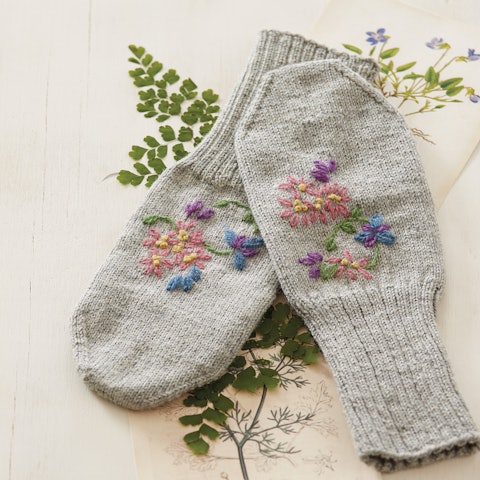 Mittens of Memory: Beauty and Resilience in Wartime AmericaA pair of hand-embroidered mittens from a World War II relocation camp serve as a testament to resilience and the sustaining power of craft. And you can make them, too.Susan Strawn · January 26, 2026
 Long Thread Podcast: Elena Kanagy-Loux, Lacemaker & Historian (classic)Season 13, Episode 9: Ethereal, durable, ornamental, powerful—what does lace mean to you? Through academic study and the work of her hands, Elena Kanagy-Loux teaches that lace is all of these things and more.Anne Merrow · January 10, 2026
From the Library


Comments
No comments yet — be the first to share your thoughts.
Sign in to join the conversation — commenting is for signed-in members.