
Loading the latest stories…
Exploring needlework stories in blue and white
Karen Elting Brock2 min read
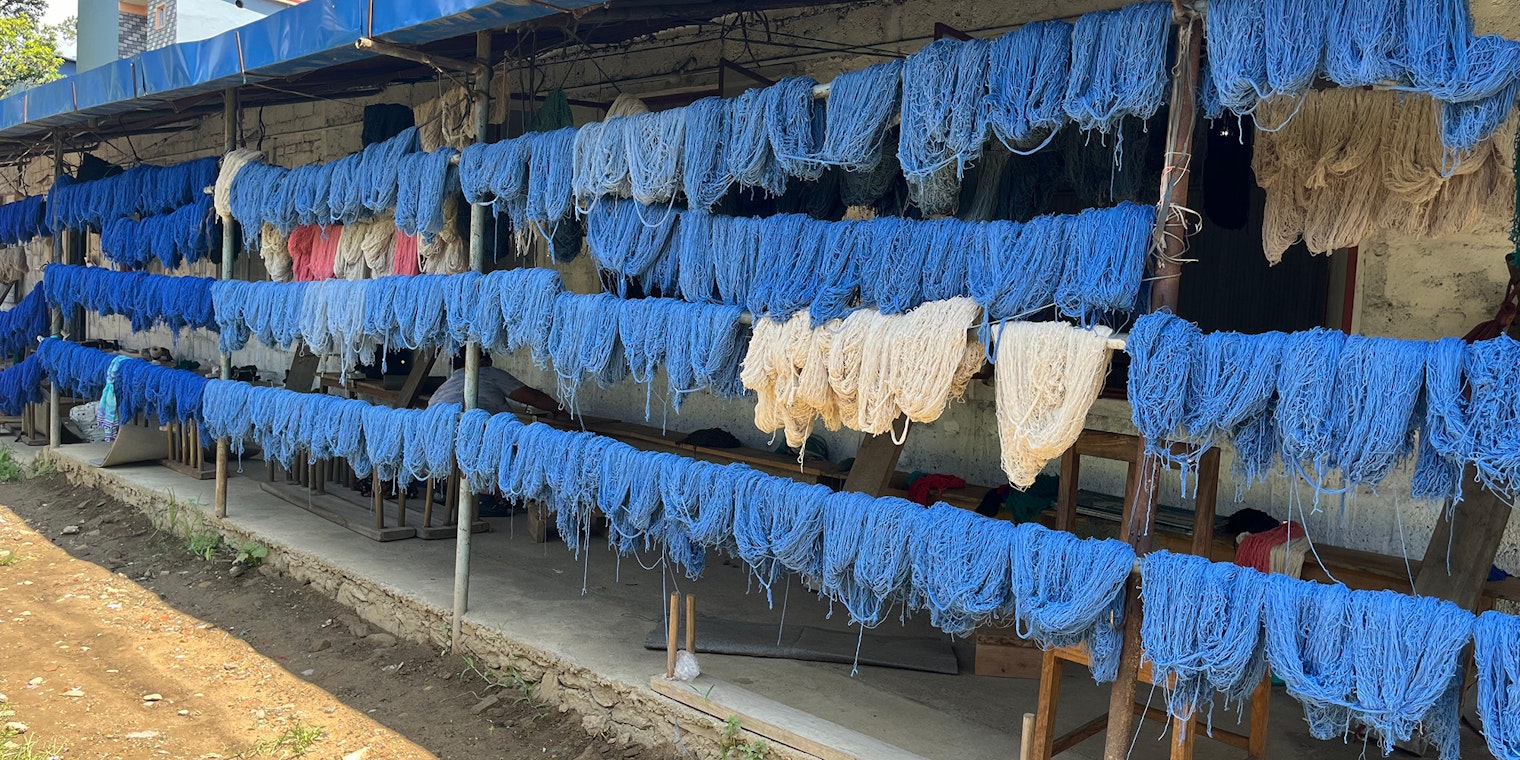
Blue and white have woven themselves into textiles around the world and across time. From Japanese boro to ikat textiles of Central Asia, from elaborate patterns of Middle Eastern and African textiles to nineteenth-century American homespun wool—blue and white have identified culture and place.
 Dutch Whalers Cap, eighteenth century. Photo courtesy of the Rijks Museum
In the Summer 2026 issue, PieceWork invites you to share stories of needlework told in blue and white. What is the story of a family keepsake stitched in blue and white? What is your favorite example of blue and white in textile design? Whether it’s indigo and silk in Asia or woad and wool in Coventry, England, what can we learn from the age-old melding of blue and white? We’re looking for stories, techniques, and traditions—ancient or modern—that celebrate the artistry and symbolism of blue and white or stand-alone blue.
 Scarf made by Nene Thiam, a member of the textile artist collective Groupe Bogolan Kasobane, Bamako, Mali, 2009. Photo by Joe Coca
As with each issue, in Summer 2026, we hope to tell personal stories as well as scholarly ones. We welcome submissions from experienced stitchers and authors, enthusiastic beginners, and all who are passionate about textiles.
We are also always looking for content for our website. If you have an idea for a short piece, about 300 to 500 words, please submit your proposal to us.
Online Submissions Form PieceWork Summer 2026
PieceWork Contributor’s Guidelines
Questions? Contact us at piecework@longthreadmedia.com.
Do you want to be added to the PieceWork Call for Submissions email list? Sign up here.
More from PieceWork
From the Library


Comments
No comments yet — be the first to share your thoughts.
Sign in to join the conversation — commenting is for signed-in members.