
Loading the latest stories…
Share with us how art and handicraft influence each other.
Pat Olski2 min read
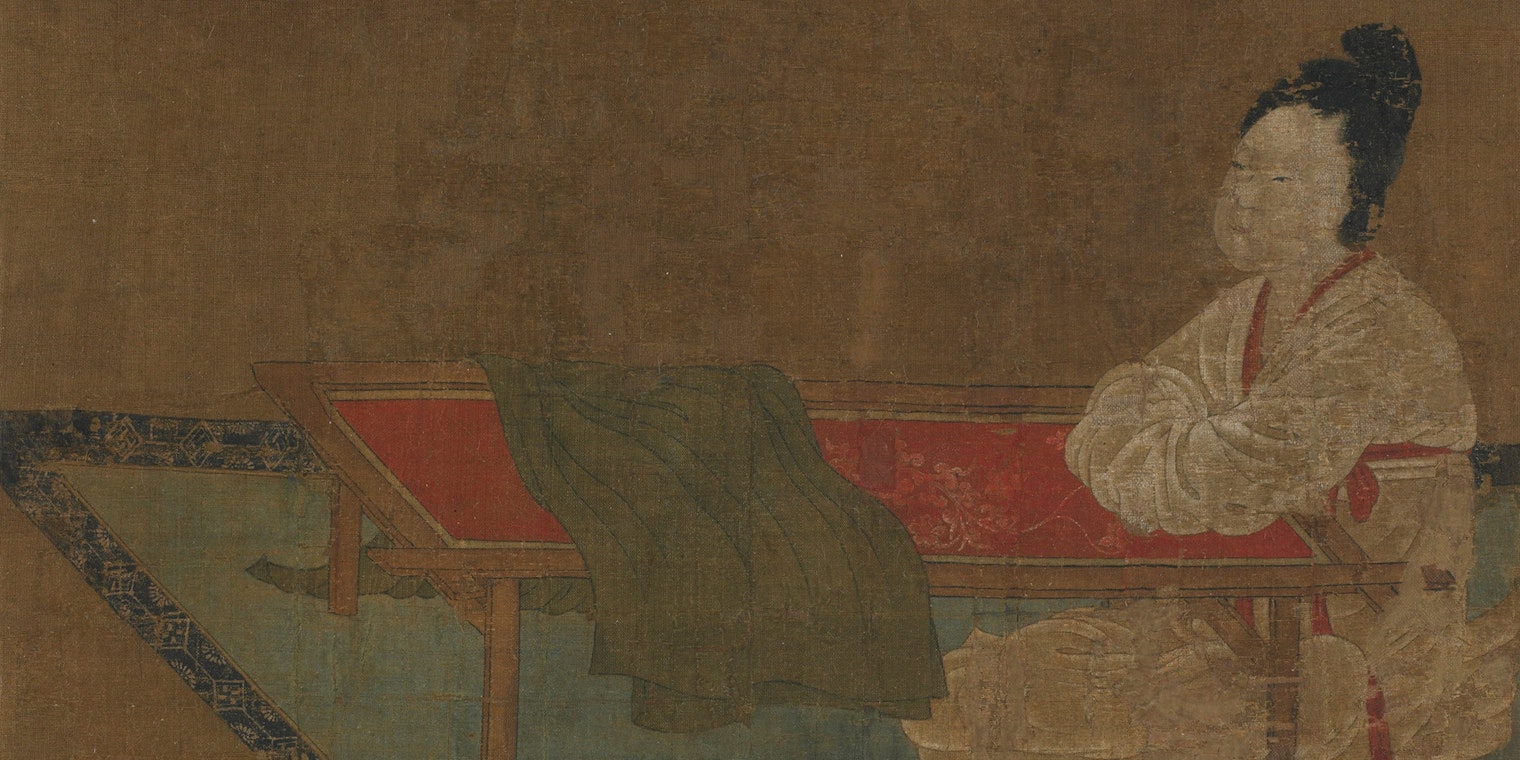
For centuries, yarn, thread, and fabric were used to create stunning works of art that were hung in royal homes, houses of state, and places of worship. Many of these pieces are now on display in museums where they, along with beautiful handmade garments, rightfully take their place among works of studio art that were created from other mediums, such as paint and stone.
For the Fall 2025 issue of PieceWork, we are interested in exploring the fascinating intersection of art and needlework.
 Panel with Peonies and Butterfly, Needleloop embroidery of silk, gold paper, and gold thread on silk satin damask. Yuan (1271–1368) or Ming (1368–1644) Dynasty; late 14th–15th century; China; Photo courtesy of the Metropolitan Museum of Art
Crafters throughout the ages have created art with thread and yarn, and paintings and sculptures from the past have given us insight into historical textile techniques that might otherwise have been lost. What can our readers learn about a needlework technique from a masterpiece? What combination of techniques, colors, or textures brings to mind a beloved work of art?
We are looking for exciting stories and projects about needlework that is displayed as art, needlework that is shown in works of art, artists who were also needleworkers, and needlework that makes use of the color palette from a work of art.
 By the Seashore, Auguste Renoir, 1883, French; 36 ¼ x 28 ½ in (92.1 x 72.4 cm); 29.100.125; H.O. Havemeyer Collection, Bequest of Mrs. H.O. Havemeyer, 1929. Photo courtesy of the Metropolitan Museum of Art
Design is central to all needlework. Please send us your proposals for articles that feature art and artists from all over the world, including a variety of techniques such bobbin lace, crocheting, embroidery, needlepoint, punchneedle, quilting, and knitting.
At PieceWork, we strive to celebrate the rich cultural heritage and artistic endeavors of crafters around the world, and throughout time.
Please share fiber textile traditions from any time frame or place that inspires you. We can’t wait to see your ideas! We look forward to seeing submissions from everyone, from experienced stitchers and enthusiastic beginners to researchers passionate about the historical significance of textile techniques.
 Ferdinando de' Medici, Grand Prince of Tuscany, Giovanni Battista Foggini about 1680–82; Italian, Florence; 1993.332.2; Photo courtesy of the Metropolitan Museum of Art
We are looking for:
We are also always looking for content for our website. If you have an idea for a short piece, about 300 to 500 words, please submit your proposal to us.
Online Submissions Form PieceWork Fall 2025
PieceWork Contributor’s Guidelines
Questions? Contact us at piecework@longthreadmedia.com.
Do you want to be added to the PieceWork Call for Submissions email list? Sign up here.
More from PieceWork
From the Library




Comments
No comments yet — be the first to share your thoughts.
Sign in to join the conversation — commenting is for signed-in members.