
Latest
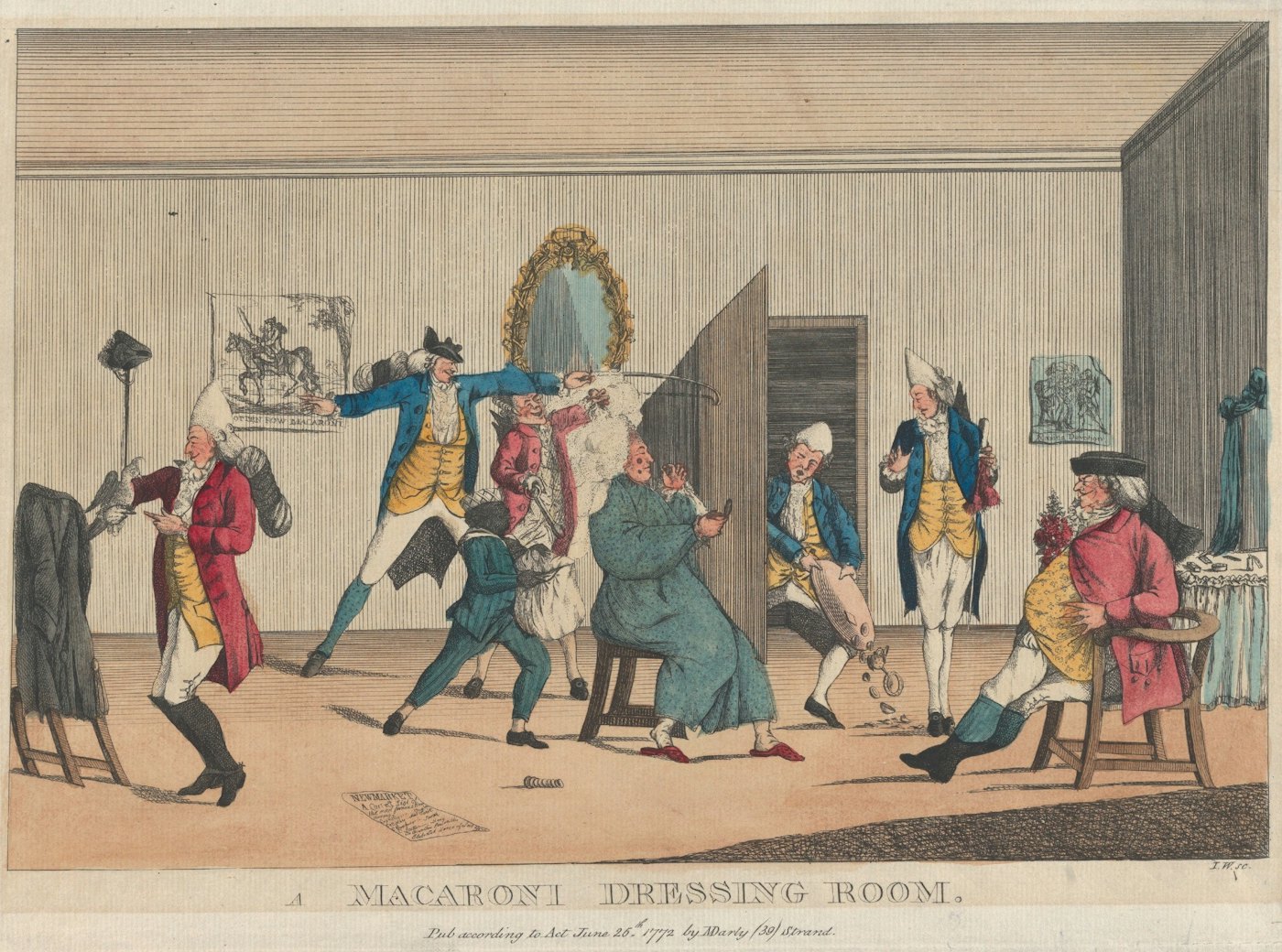
And He Called It Macaroni
If you’ve ever wondered at the meaning behind the lyrics of “Yankee Doodle,” it might surprise you to learn that the “macaroni” in the song referred not to a noodle, but to a rather odd fashion trend.
Category
If you’ve ever wondered at the meaning behind the lyrics of “Yankee Doodle,” it might surprise you to learn that the “macaroni” in the song referred not to a noodle, but to a rather odd fashion trend.
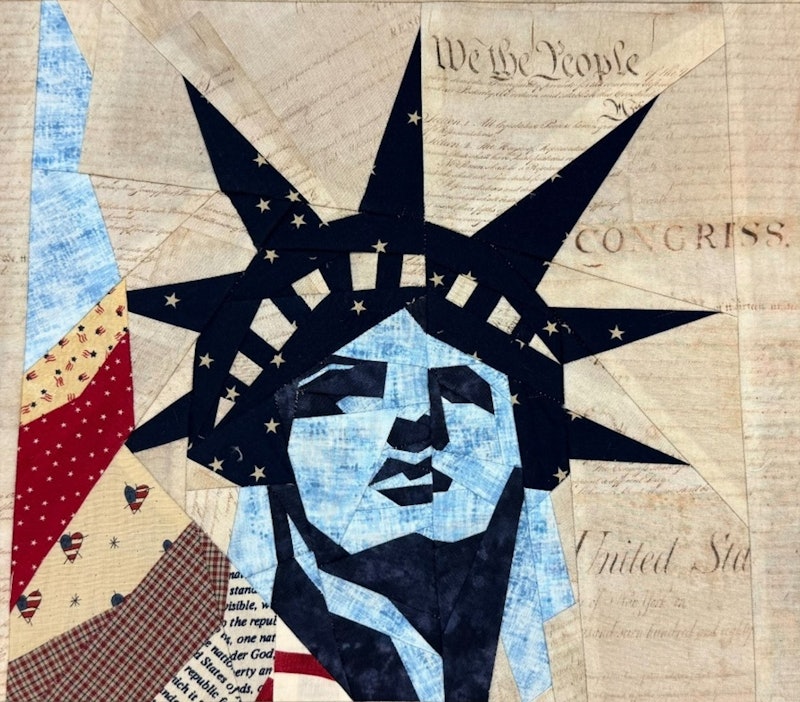
As our nation approaches its 250th birthday, learn about one quilt that aims to stitch together the stories, struggles, and triumphs that built America.
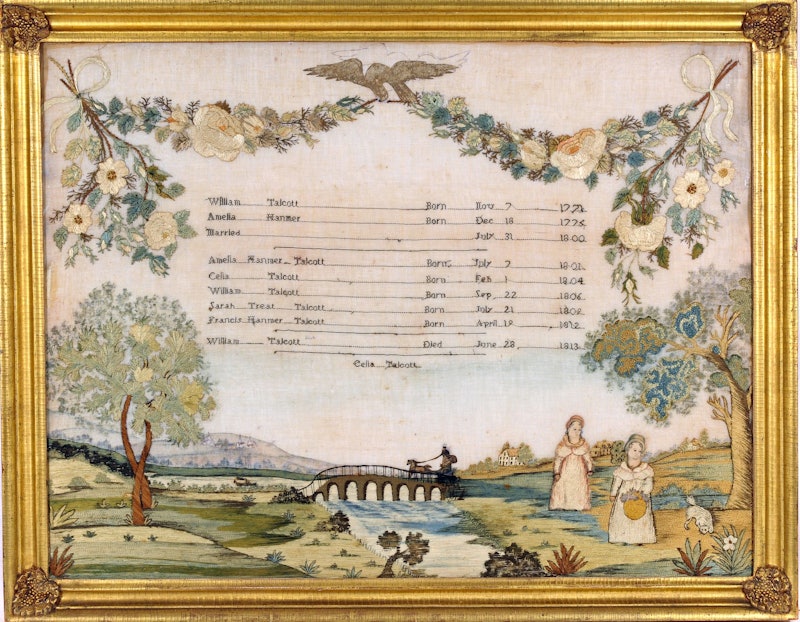
A new exhibition at the Webb Deane Stevens Museum gathers early American needlework to show how girls used needle and thread to record their worlds, often in ways history has only just begun to recognize.
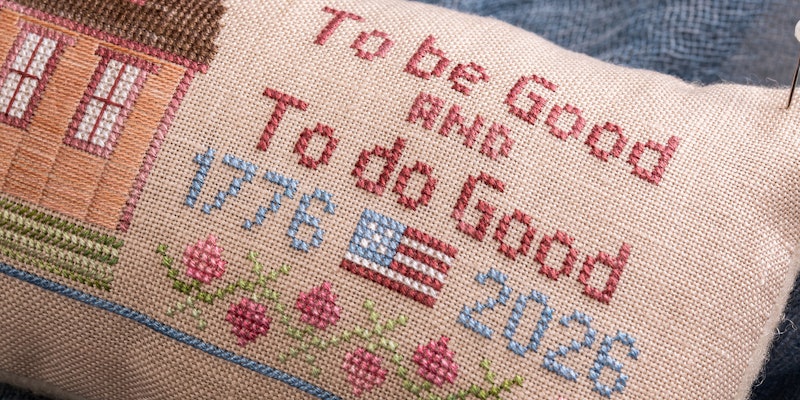
From commemoration to inspiration, we’ve gathered 30+ exhibitions, events, and resources to help you join the festivities.
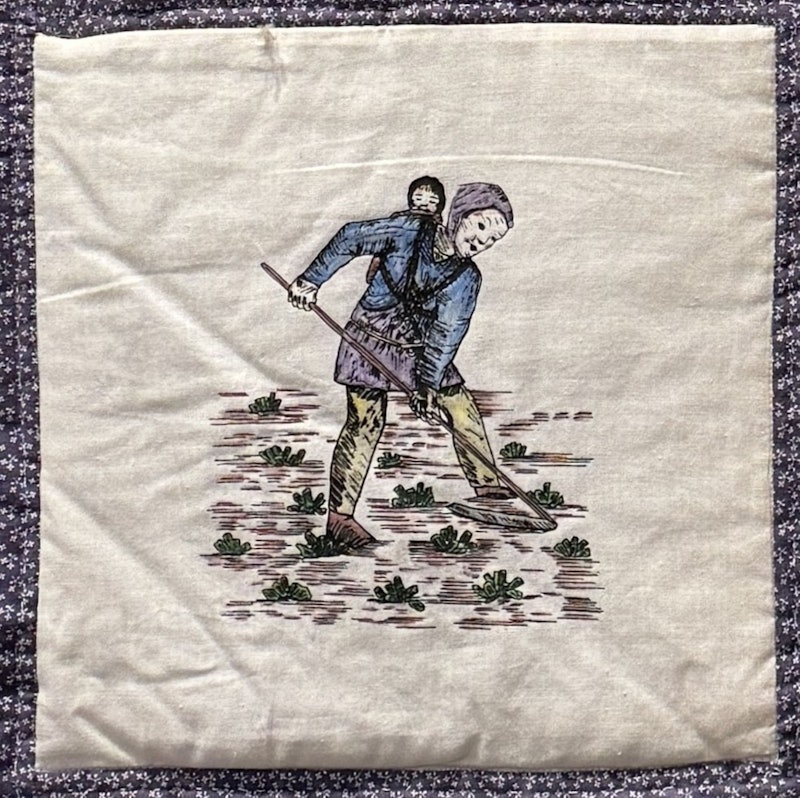
The Japanese American Quilt Project brings together generations of voices, identity, and resilience. Learn the story of a community’s shared past through fabric and thread.
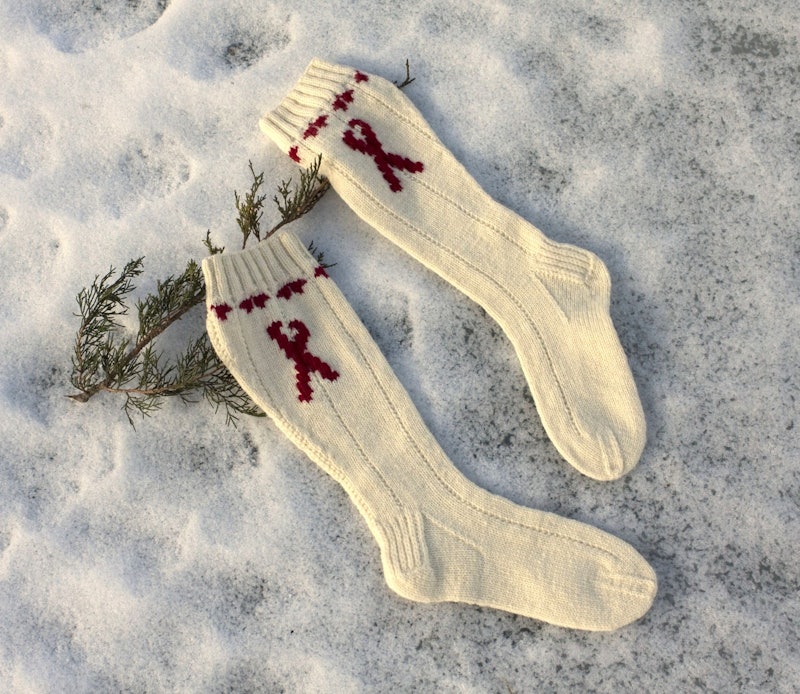
As athletes sneak in a few calming rows between events in Milan, Italy, fans at home are knitting right along with them turning the Winter Games into a shared stitch by stitch ritual.
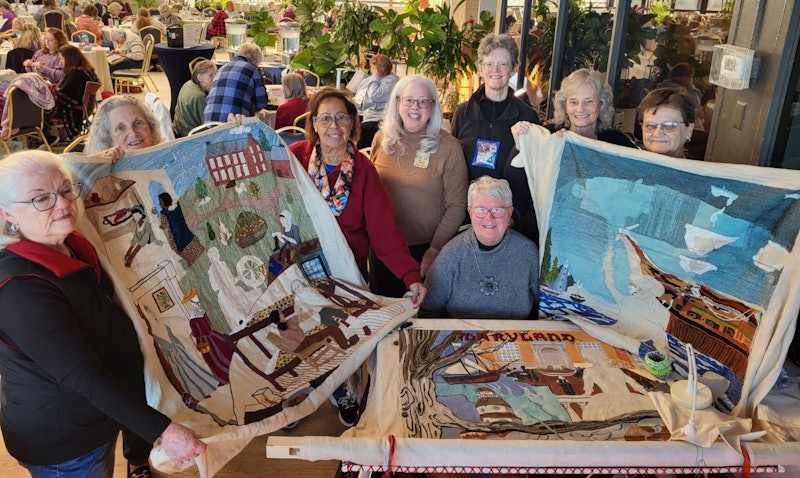
Blending historical research with masterful needlework, the America’s Tapestry project translates Revolutionary-era stories into vivid embroidered panels.
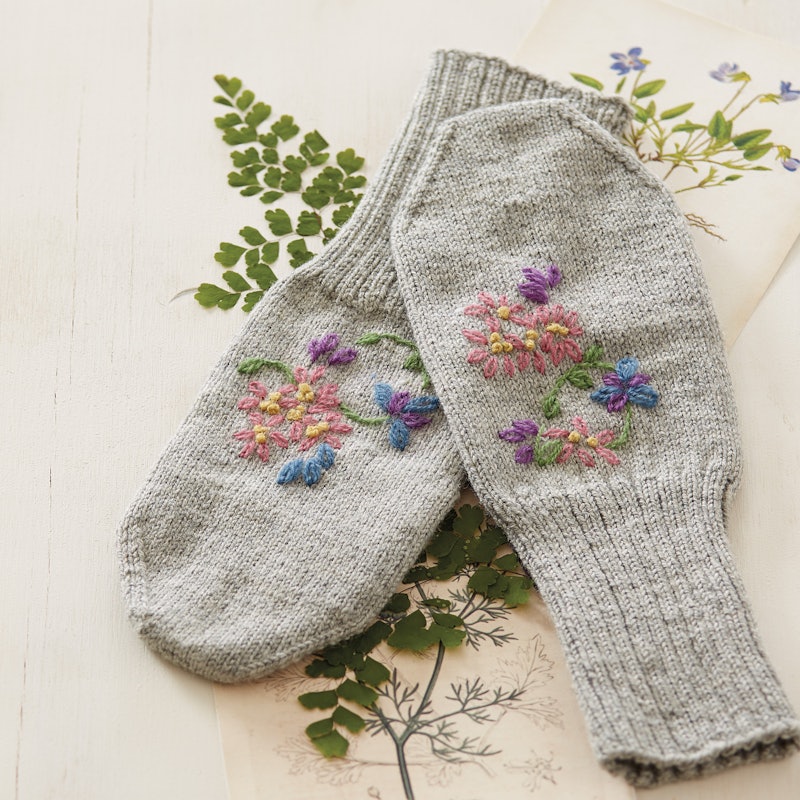
A pair of hand-embroidered mittens from a World War II relocation camp serve as a testament to resilience and the sustaining power of craft. And you can make them, too.
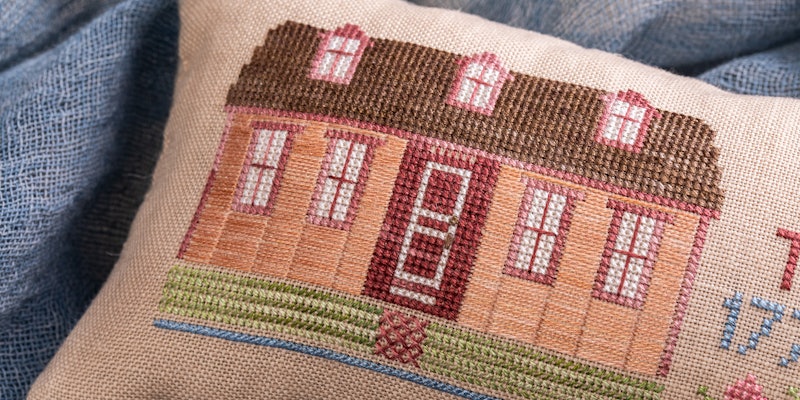
Our Spring 2026 issue commemorates 250 years of needlework in America, tracing the stitches, stories, and traditions that have shaped the nation.
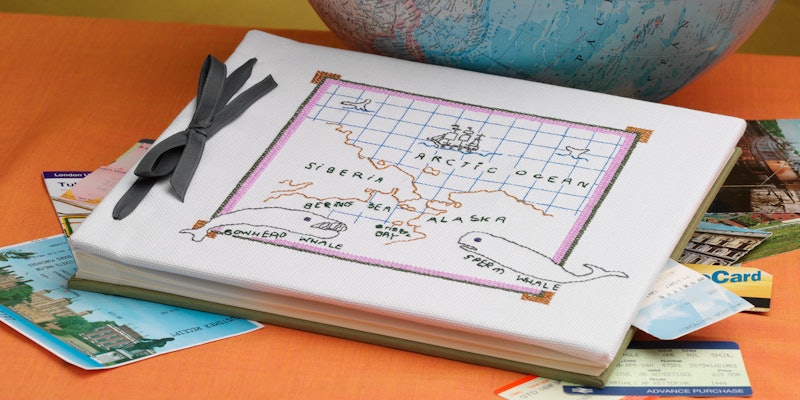
Appliquéd banners have been used for centuries in the West African Fon kingdom of Dahomey, known today as Benin, to illustrate power and prestige.
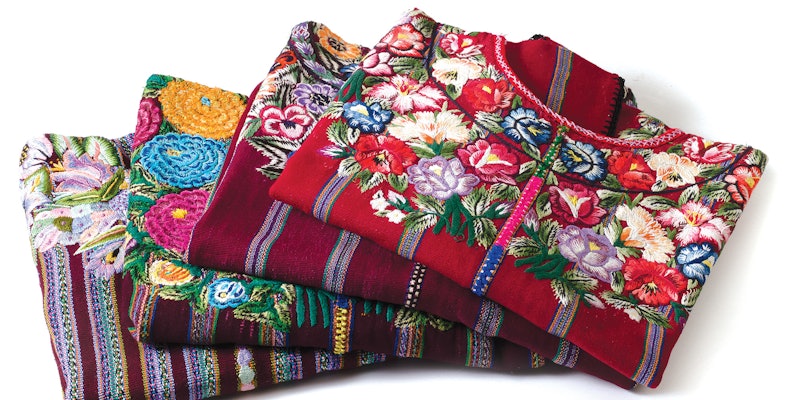
Learn more about this traditional handmade blouse.
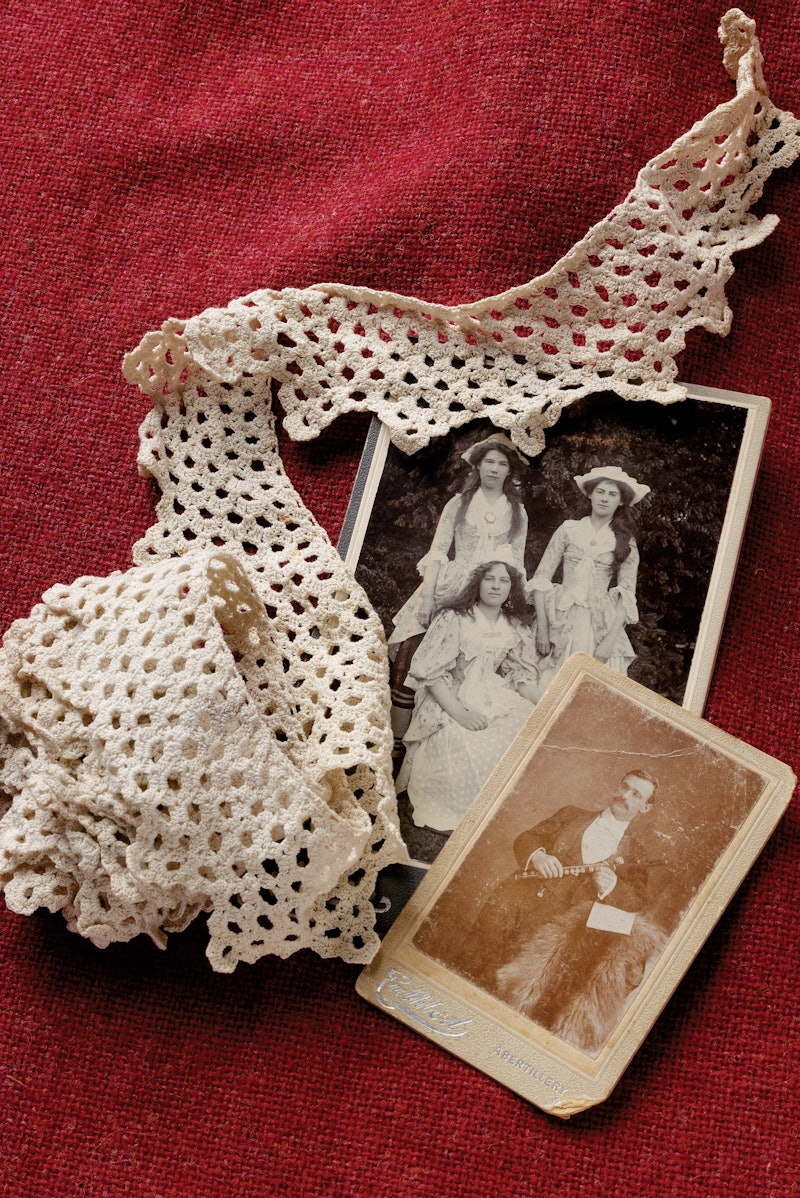
Tracing the threads of American needlework, stitch by stitch
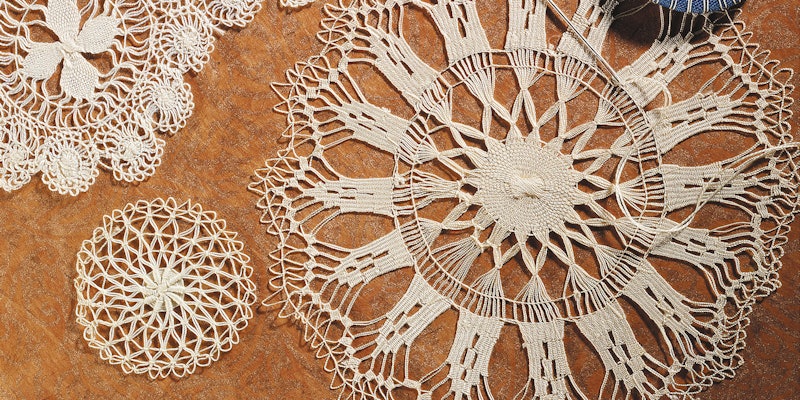
A circular form of Spanish lace first appeared in sixteenth-century paintings, but this style of lace soon radiated out, and variations can be found far and wide.