
 SUB
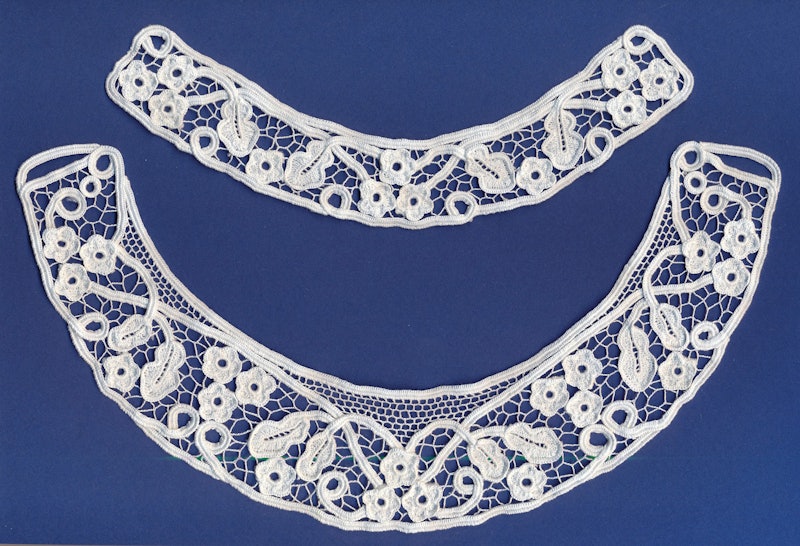
SUBA History of Hungarian Csetnek Lace
Learn the story of this delicate crochet style.
Category
SUBLearn the story of this delicate crochet style.
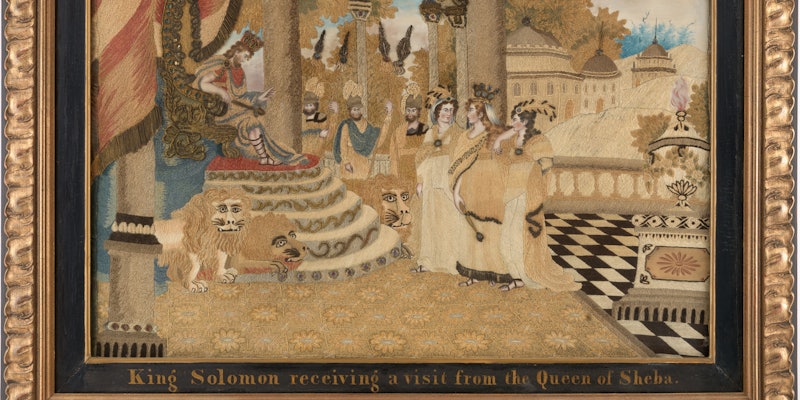
In the third of a three-part series, the author looks at the various meanings behind items created over time—part of an upcoming exhibition at the DAR Museum in Washington, DC.
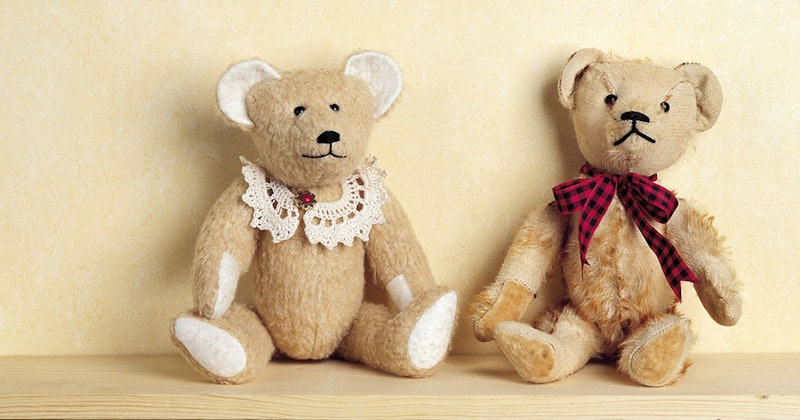
The soft, round faces and plush little bellies bring joy to even the hardest heart. It is crazy to imagine that the story of the Teddy bear actually begins at a horrific, bloody scene on the hunting grounds of Mississippi in the year 1902.
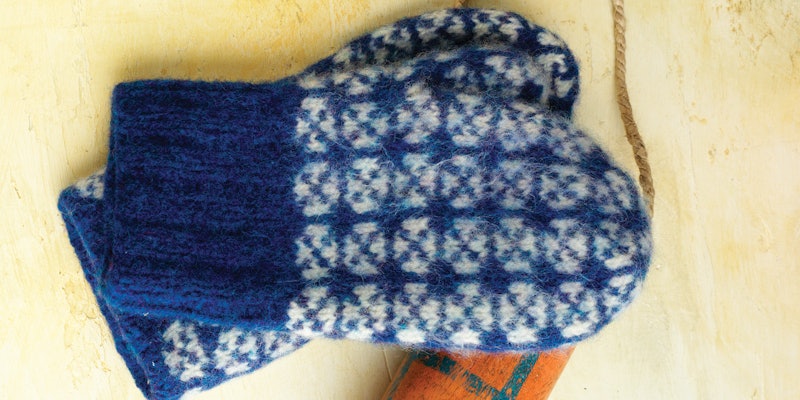
In Maine and Nova Scotia, there really is a tradition of knitting shrinking Fishermen’s mittens.
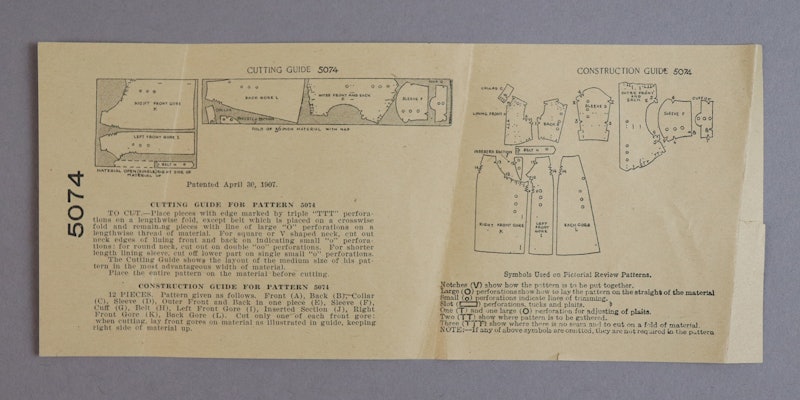
In the second of a three-part series, the author looks at the many sewing duties most women performed regularly, and the technology developed in the nineteenth century to assist them—part of an upcoming exhibition at the DAR Museum in Washington, DC.
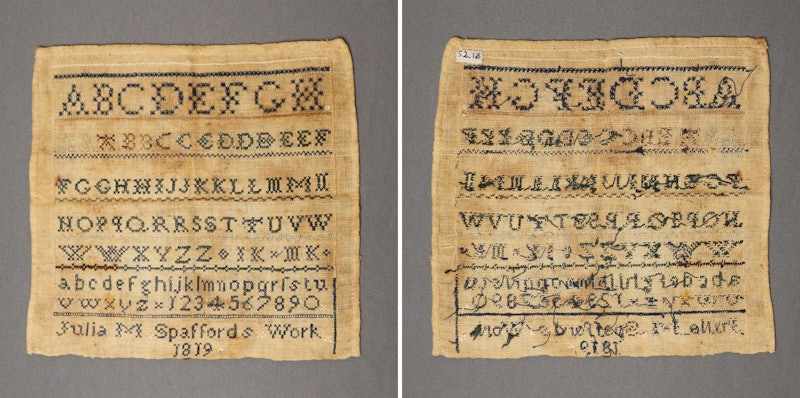
In this first part of a three-part series, the author looks at the first concept—how and where girls learned their sewing skills—that is examined in an upcoming exhibition at the DAR Museum in Washington, DC.
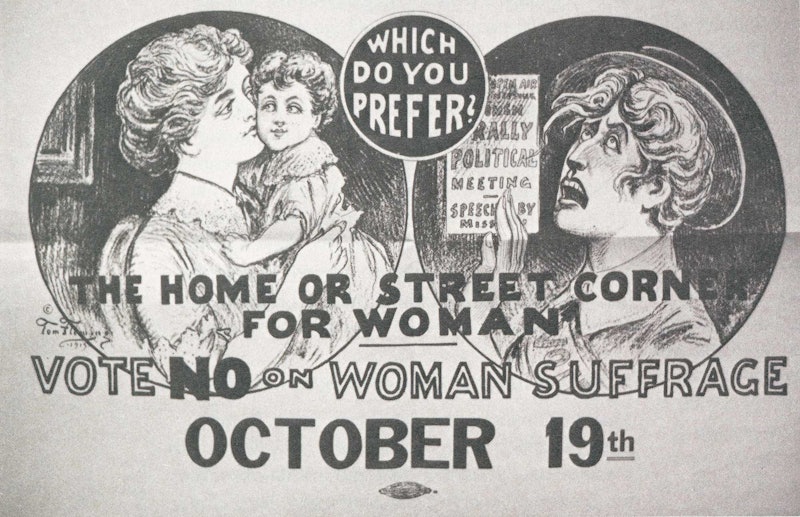
Activists for women’s voting rights raised money for their cause by selling their handmade items, among other things, at the National Suffrage Fair in New York City. Knitting, crochet, and the movement’s own history played prominent roles at this event.
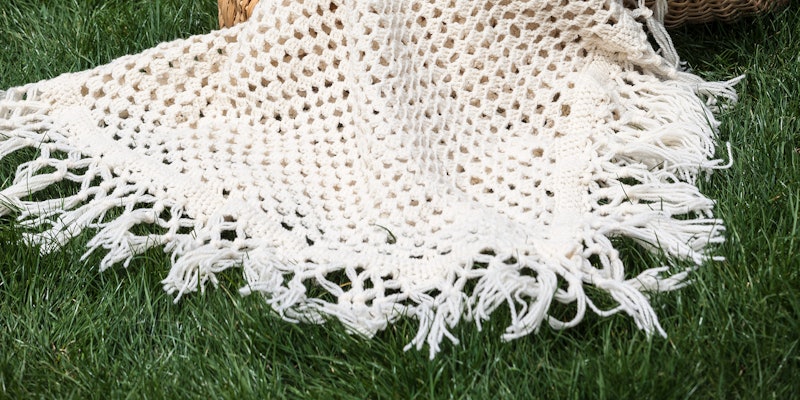
Jabez learned to crochet granny squares as a part of his rehabilitation after he lost parts of several fingers to shrapnel in the Second Boer War (1899–1902).
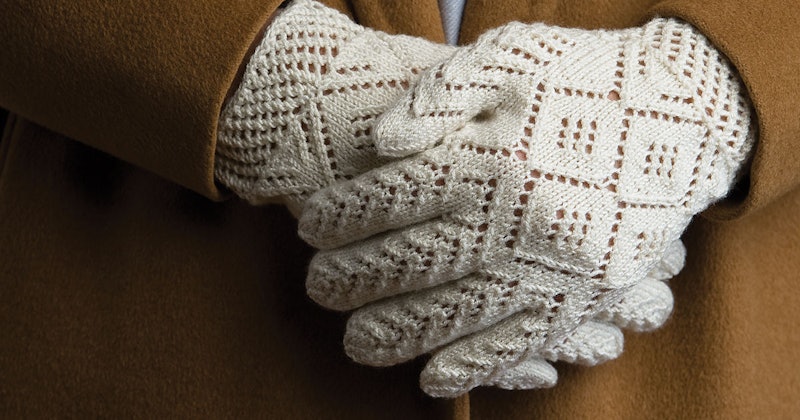
Nancy Bush designed a special knit for a very special occasion—wedding gloves.
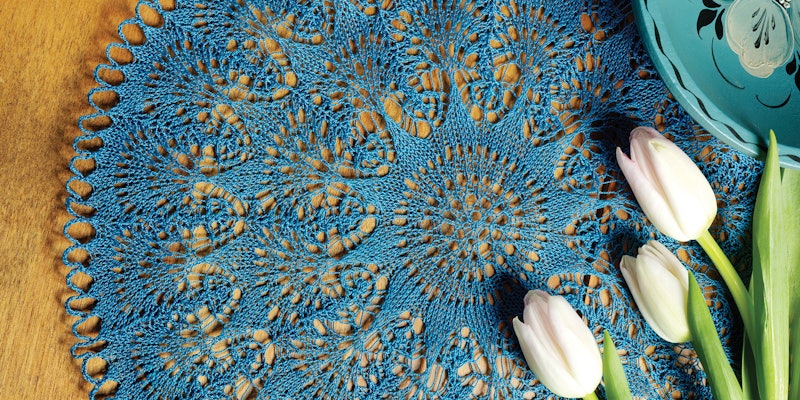
The doily has been at the center of home décor fashion for more than a century.
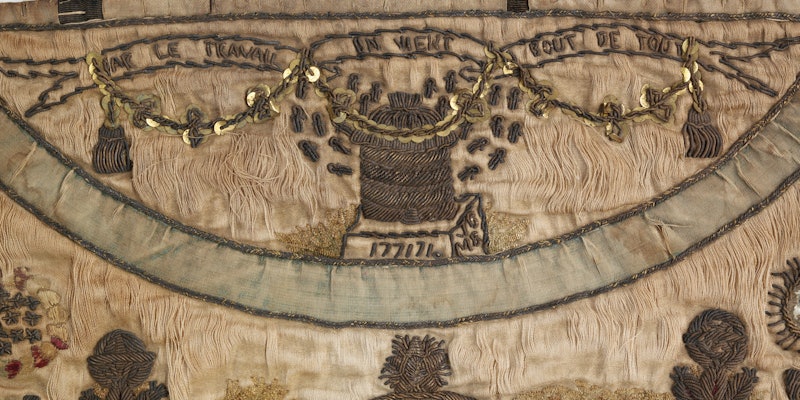
Although the Masonic brotherhood developed its own rituals and rules, it retained in its symbolism the trappings of the stonemason’s craft, including the apron.
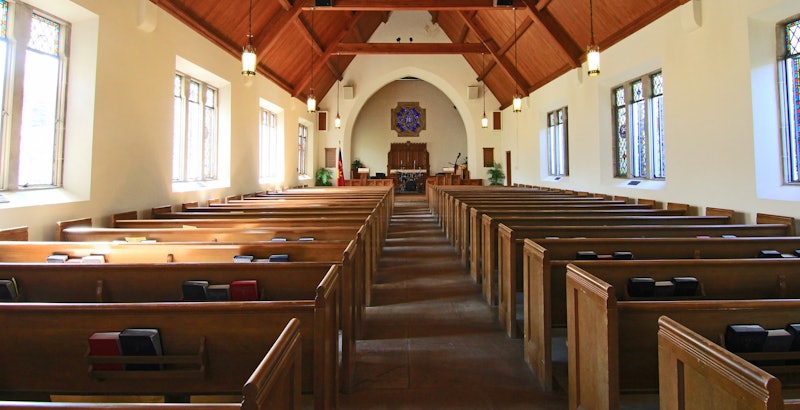
Simple items that created an entertaining toy and sometimes a lasting memento in the 1800’s.