
Latest
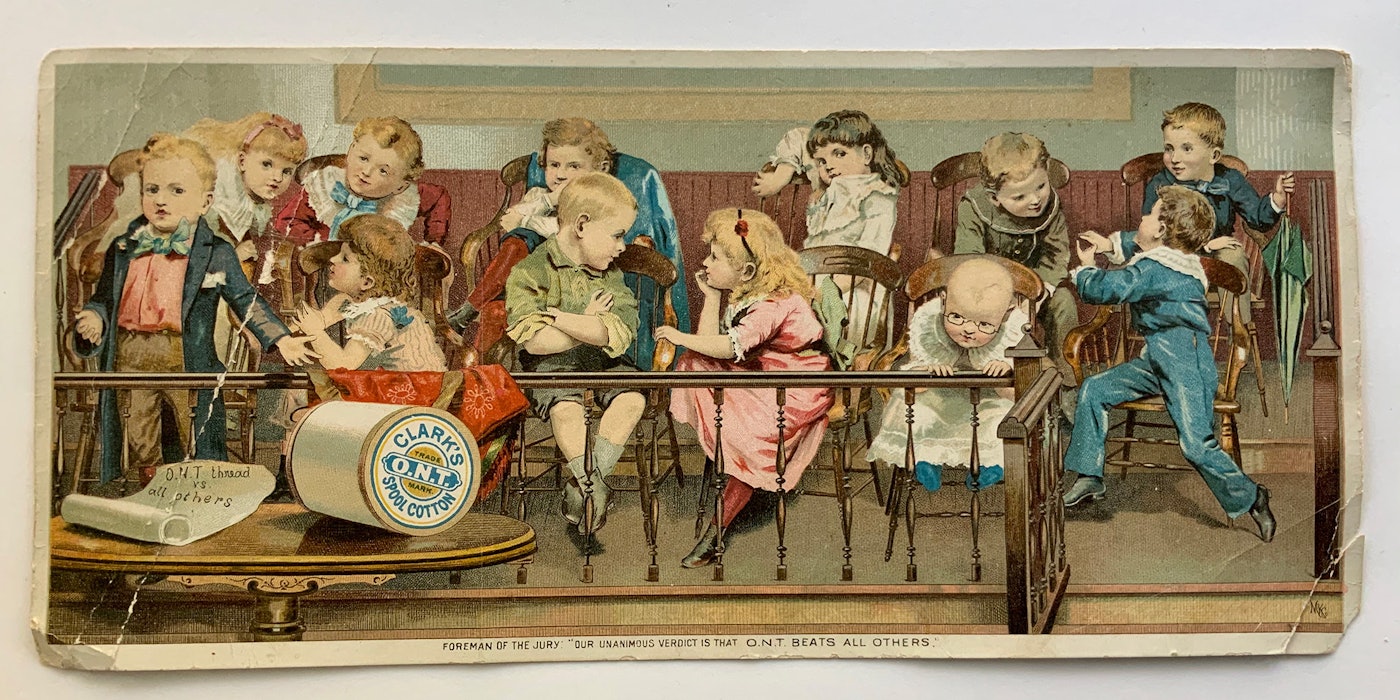
Nineteenth-Century Collectible: Sewing-Thread Trade Cards
Before magazine advertising became popular, collectible trade cards marketed consumer products, including sewing thread, to the public.
Category
Before magazine advertising became popular, collectible trade cards marketed consumer products, including sewing thread, to the public.
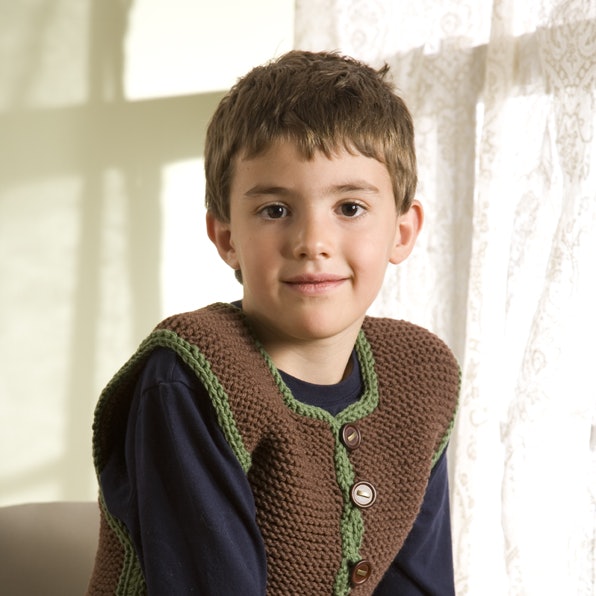
Looking for a project to knit for a six- to seven-year-old child? Check out our knitted child’s vest from Weldon’s Practical Knitter!
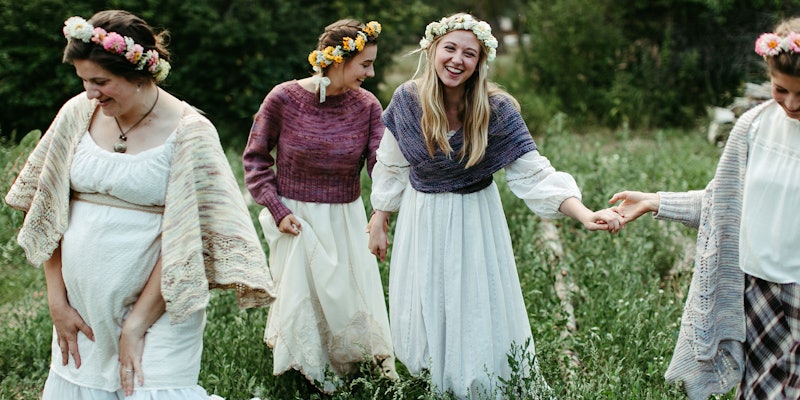
A passion for literature and stitching comes alive in Joanna Johnson’s knitwear patterns inspired by beloved classic characters.
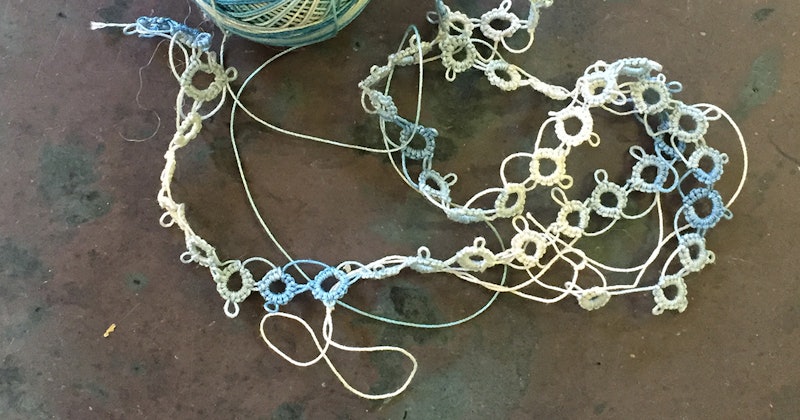
Teaching a child to tat in the oppressive Oklahoma summer heat presents certain challenges. Here are a few rules to keep in mind to make the experience more enjoyable for all involved.
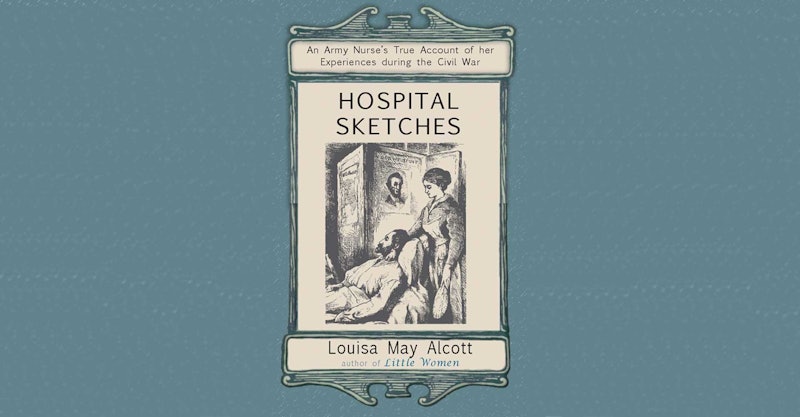
In the vein of “no idle hands,” children took up needles, knitting everything from simple projects to socks, to aid soldiers during the Civil War.

Passing cultural knowledge can be a two-way street. We most often think of it as the wise elder coaching the child. But what if you flip that?

Stitching allows children to gain competency while wielding a real tool and producing visible results. It also prepares them for later academic work such as writing and mathematics.
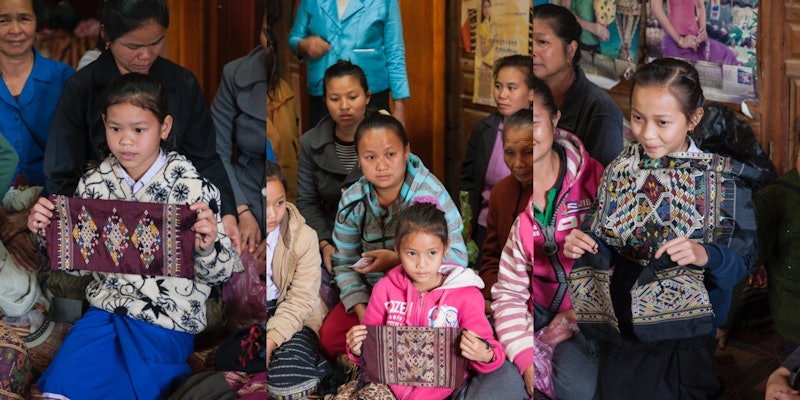
Historically, and often out of necessity, children were taught to spin, knit, weave, and do other forms of needlework at a young age. How old were you when you first took needle and yarn in hand?
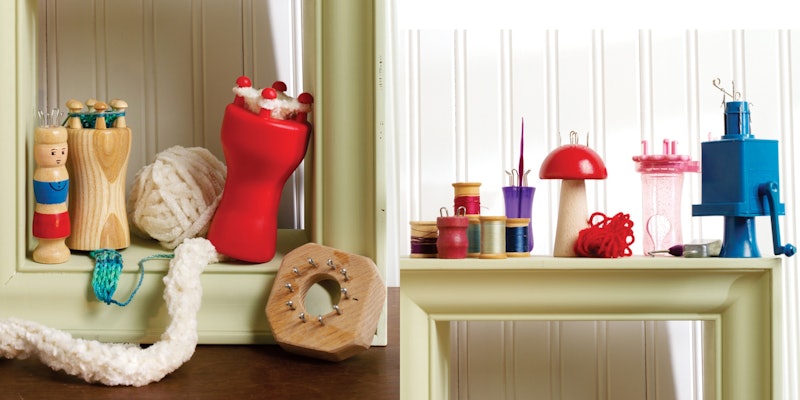
Rediscover a tool used to create a tubular or flat fabric by repeatedly interlocking loops of yarn.
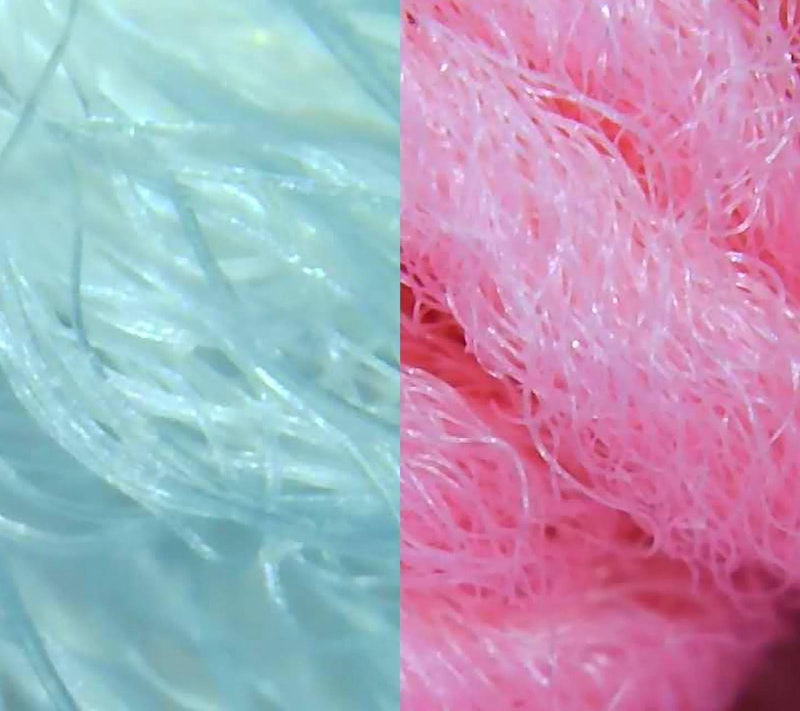
A textile conservationist makes a passionate case for using natural fibers for treasured knitted and crocheted projects.
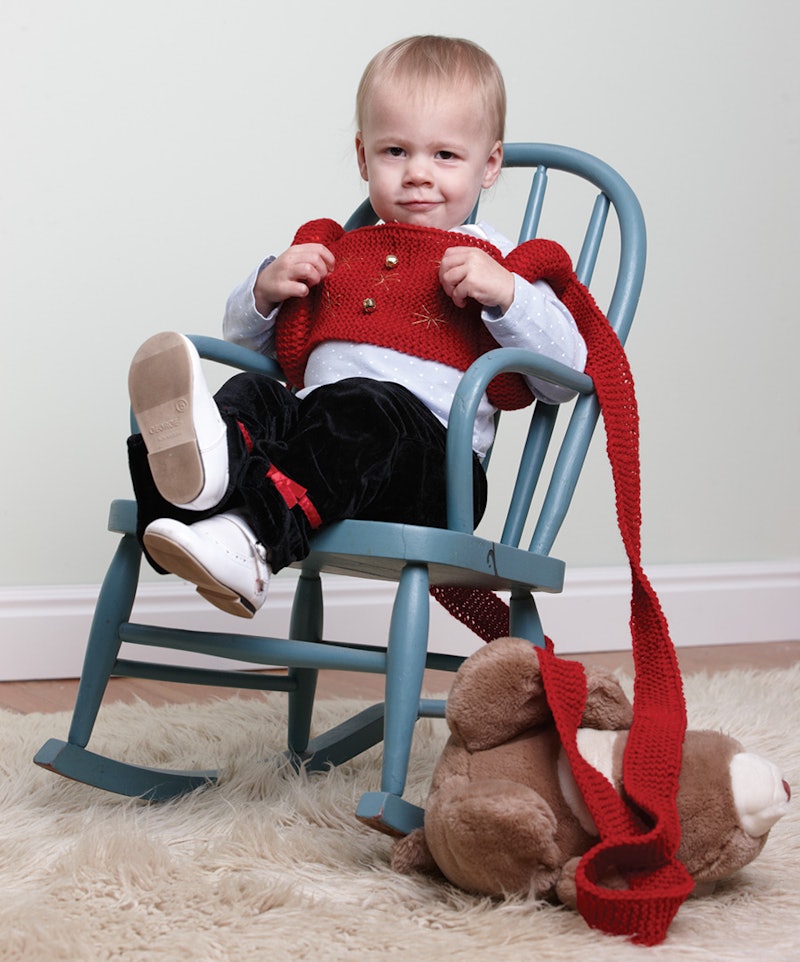
Delight in the vintage charm of Weldon's Practical Needlework and this re-creation from Franklin Habit.
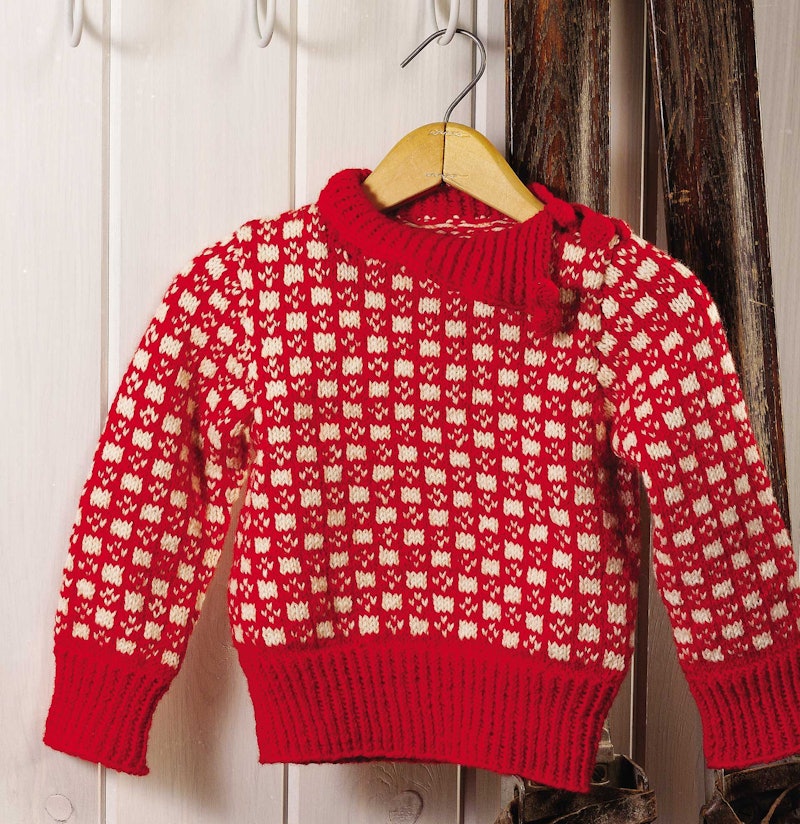
Knit a sweater from the January/February 2015 issue that was inspired by one worn by Crown Prince Harald of Norway when his family fled the Nazis in 1940.
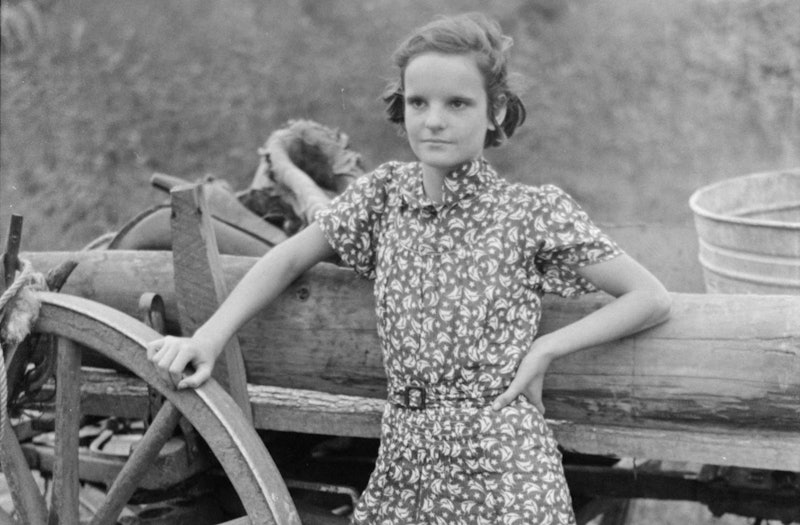
In the early twentieth century, staples, such as flour and livestock feed, were sold in cloth bags. As American families entered the 1930s, reusing these fabrics became more popular, and bags became more colorful.