
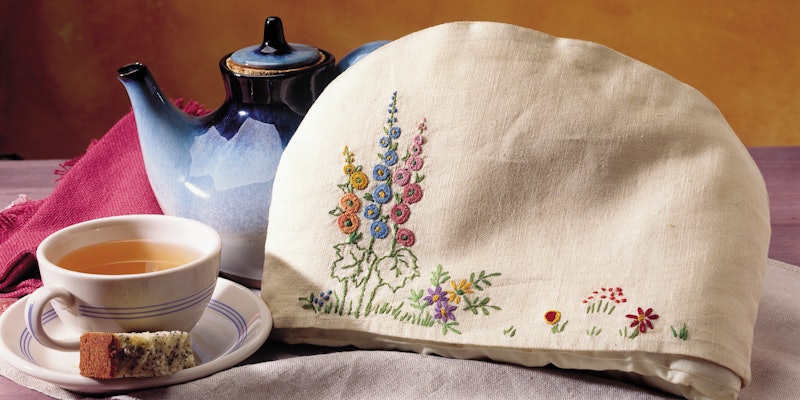
The Legend of Tea Cozies
Victorians transformed tea cozies from a necessity into fashion. Read about the unique forms they've taken over the years!
Category
Victorians transformed tea cozies from a necessity into fashion. Read about the unique forms they've taken over the years!
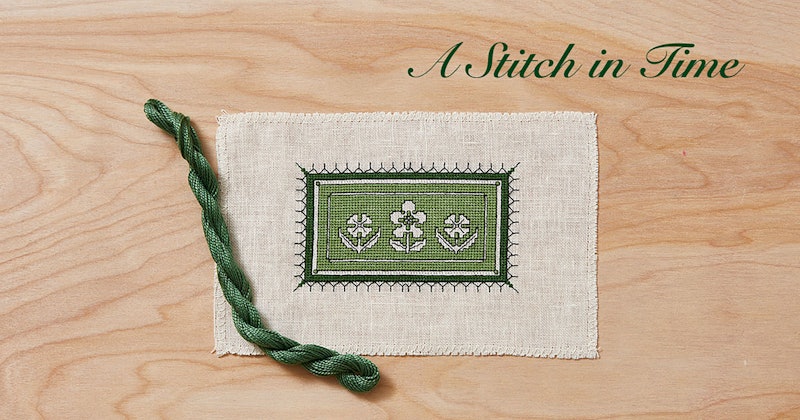
The two-sided Italian cross-stitch is a square, densely textured stitch and is another member of the large cross-stitch family.
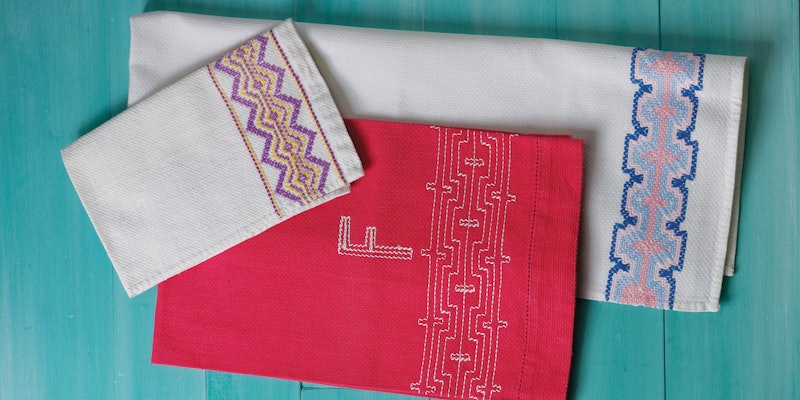
A look at the history and patterns of a simple yet effective technique
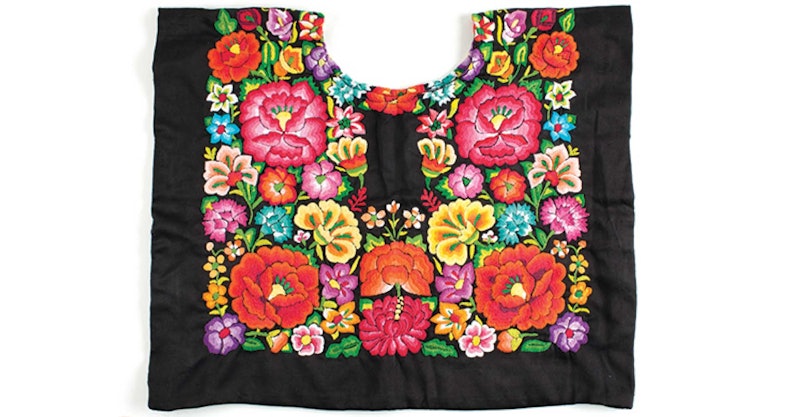
The huipil has varied slightly over time, being wider and looser during certain periods and shorter and tighter in others, but always made from a rectangle folded in half with the neck cut out and the sides stitched together to the armholes.
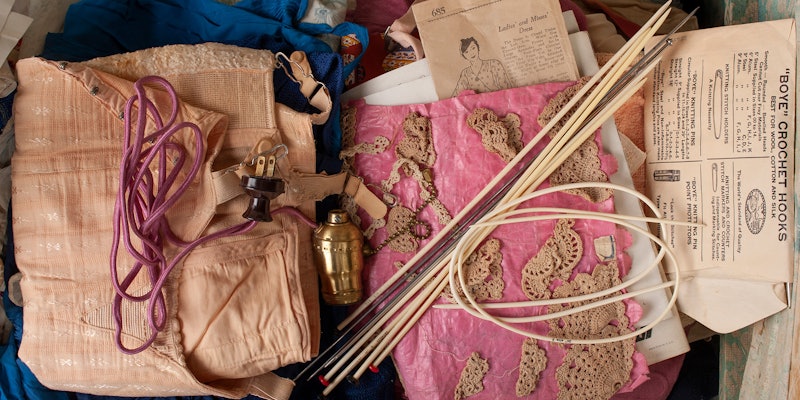
Peek inside the contents of hundreds of suitcases found in the Willard Asylum, revealing remnants of the lives left behind.
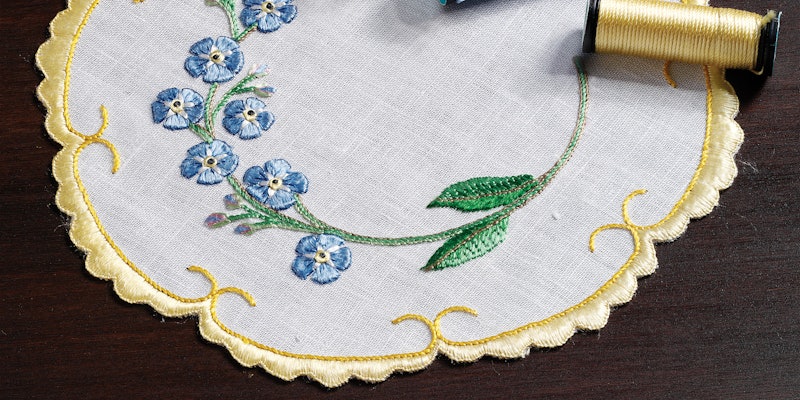
Another day to come together and spread the joy of handcraft!
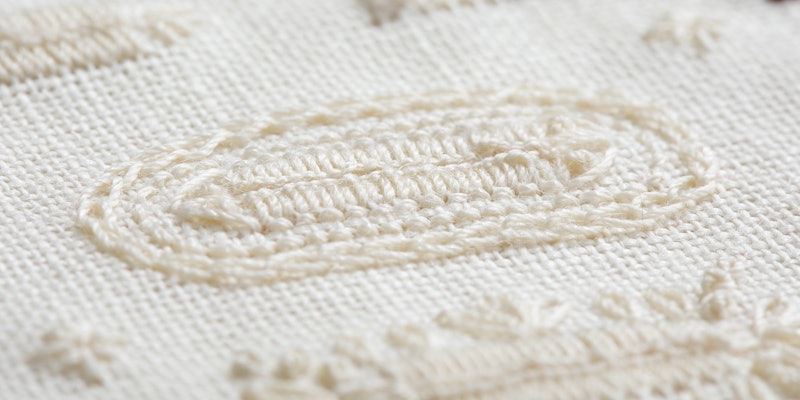
The buttonhole stitch was historically used to strengthen the cut edges of buttonholes but developed into a decorative surface-embroidery stitch with numerous variations.
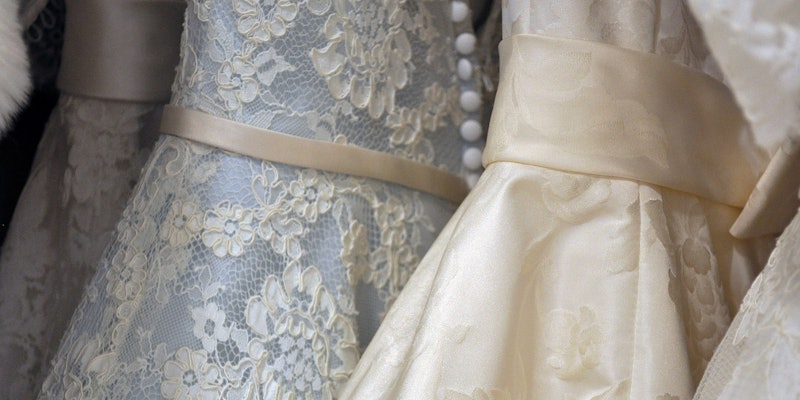
Clothing in the Eleonora di Toledo’s time was expensive. As a result, garments were worn for many years, then they were handed down, cut down, or repurposed.
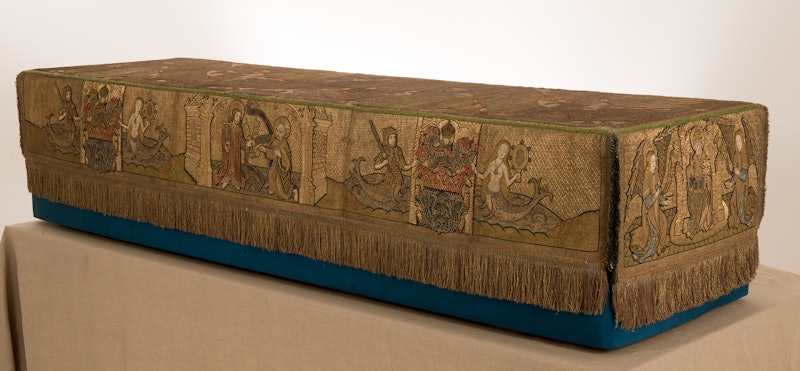
Can you find the couched diaper pattern, simple or nué, and basic couching stitch in the funeral pall of the Worshipful Company of Fishmongers?
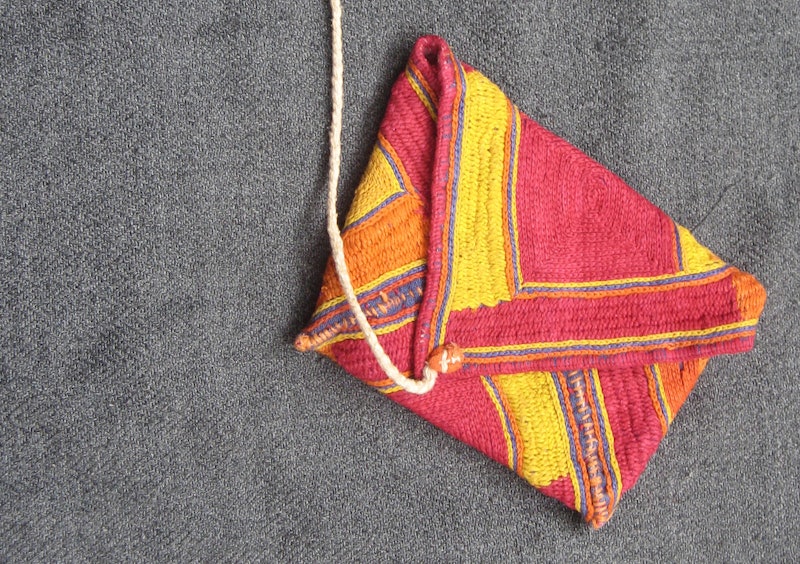
The Banjara embroidery design on a small dowry purse comprises simple squares, rectangles, and line work. But oh! The colors!
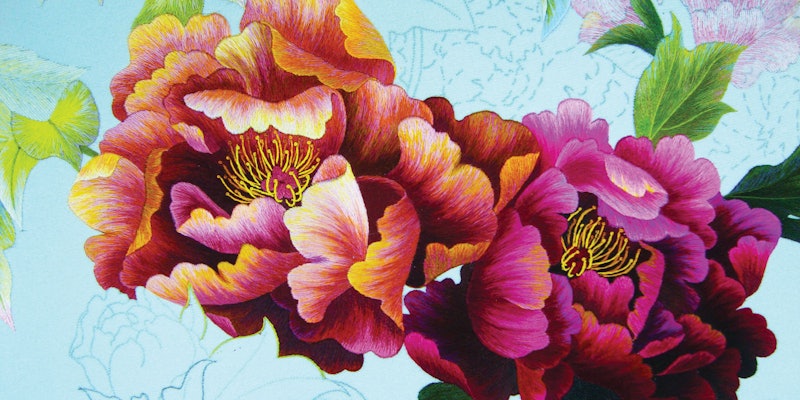
The exquisite art of painting with silk
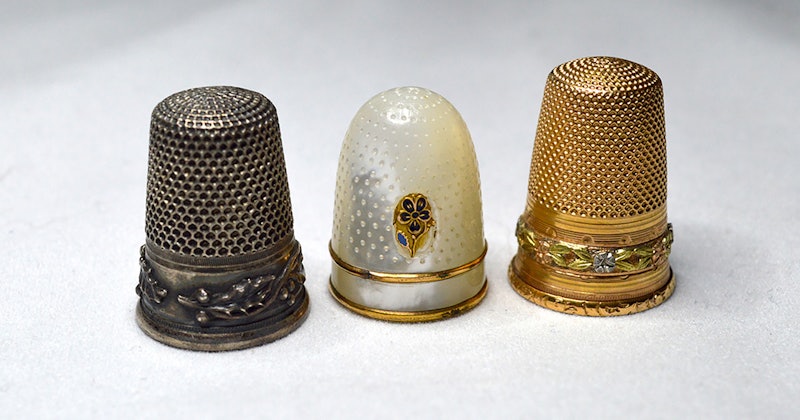
Thimbles are highly prized by collectors and stitchers alike and loved for their practicality, beauty, and infinite variety.