
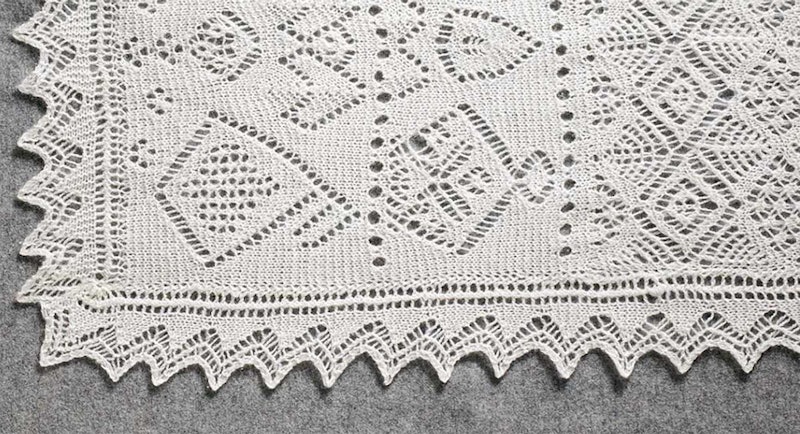
Not So Everyday Objects from Weldon’s
Victorian and Edwardian women, those with the leisure to make things by hand, had a different view of what textiles were necessary in their daily lives or what was worth their creative effort. . . .
Category
Victorian and Edwardian women, those with the leisure to make things by hand, had a different view of what textiles were necessary in their daily lives or what was worth their creative effort. . . .
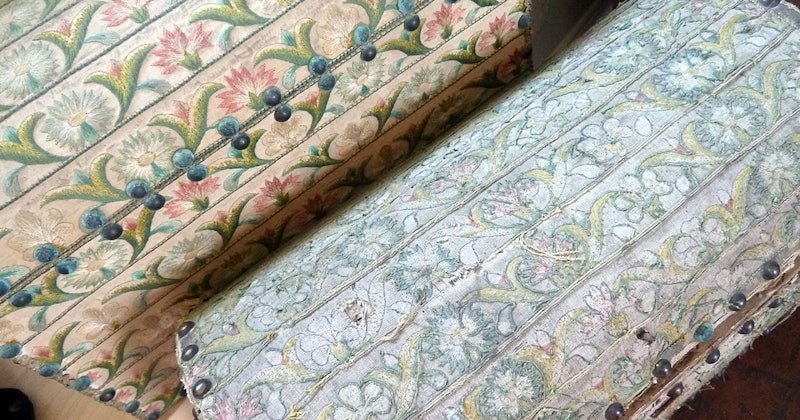
Started in 1877 at Wemyss Castle by Dora Wemyss, the idea behind Wemyss School of Needlework was to teach needlework skills to the daughters of the miners and farmers in the area so that they could earn a living and be independent.

Maria Montessori (1870–1952), well-known as an education innovator, opened her first school—Casa dei Bambini in Rome—on January 6, 1907.

As queen, opulence and splendor were no strangers to Elizabeth I. This included Elizabeth’s embroidered clothing and her knitted silk stockings.

Donna Druchunas’s lovely lace socks, featured in the PieceWork, were made for dancing—traditional Spanish-style dancing of the Charras from Salamanca, Spain.
Lace trim is a lovely way to personalize a garment or an accessory. Knitting various Victorian lace patterns in a swatch size is a quick and fun way to try something new and then be able to let your imagination run a creative path to a new use.
Phoebe Anna Traquair is associated with the Arts and Crafts movement and was adept at many disciplines including: painting, enameling, jewelry making, and embroidery.
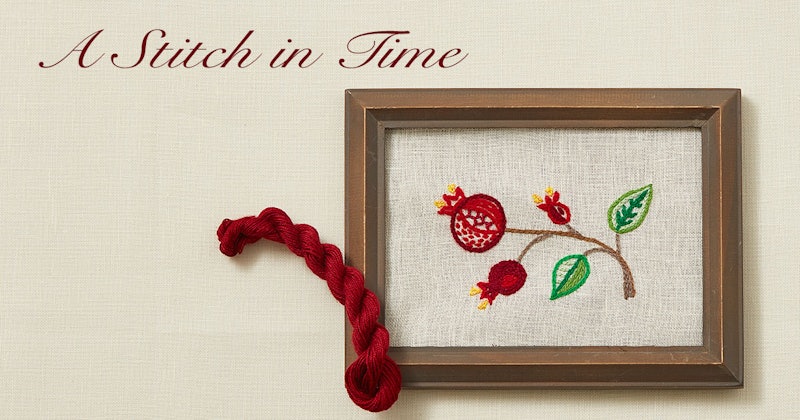
The split stitch is one of the oldest and simplest of the basic embroidery stitches, visually resembling a small compact chain stitch, but with a much narrower and flatter appearance.
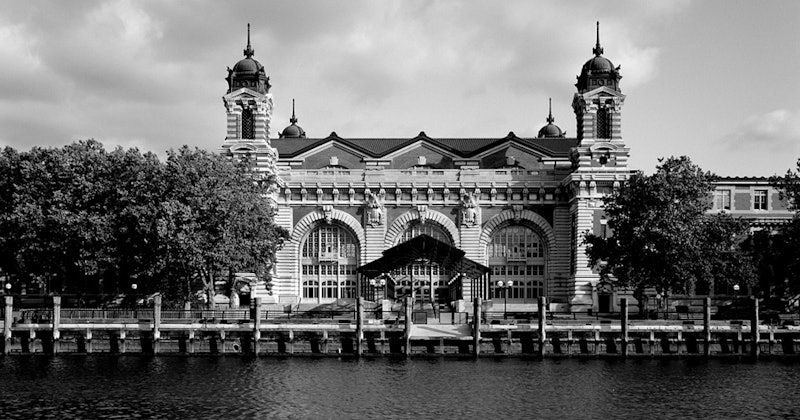
The Ellis Island Immigration Station reopens after extensive restoration and becomes the Ellis Island Immigration Museum.
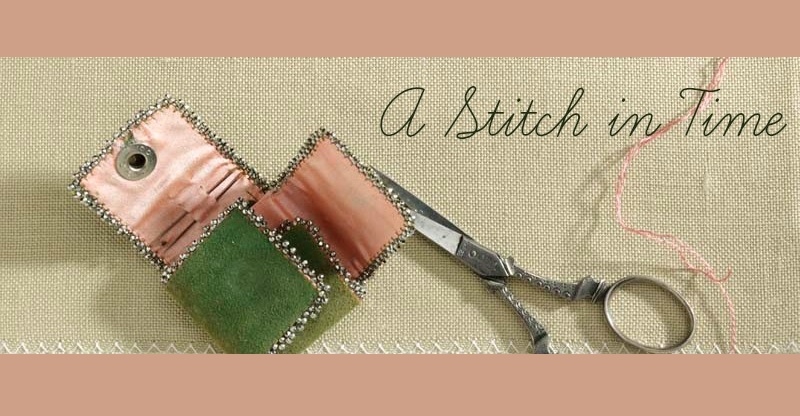
One of the oldest surface-embroidery stitches, the coral stitch is a versatile and widely used member of the popular knotted-stitch family with the French knot being the most famous.
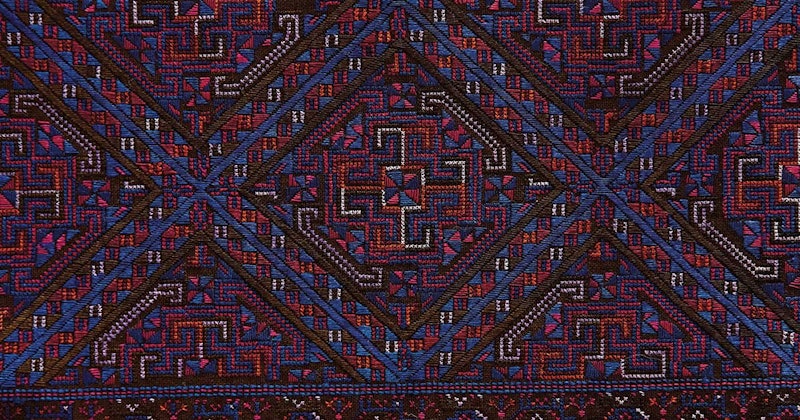
Embark with us on a PieceWork journey that celebrates “fine work.” We travel the globe and present examples of especially fine embroidery, knitting, needlepoint, and crochet.
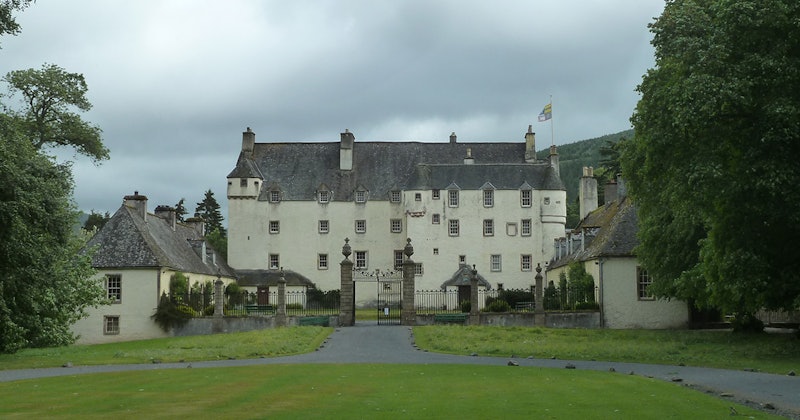
Traquair House is renowned for its collection of embroideries, which were stitched by needlewomen whose descendants still live in the house today.