
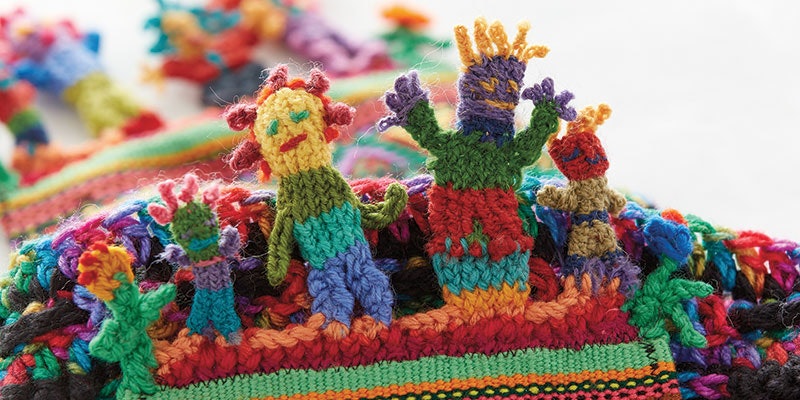
Nasca Cross-Knit Looping
Discover cross-knit looping, which is a form of needlework native to the Nasca people, a pre-Incan culture who lived on the south coast of Peru.
Category
Discover cross-knit looping, which is a form of needlework native to the Nasca people, a pre-Incan culture who lived on the south coast of Peru.
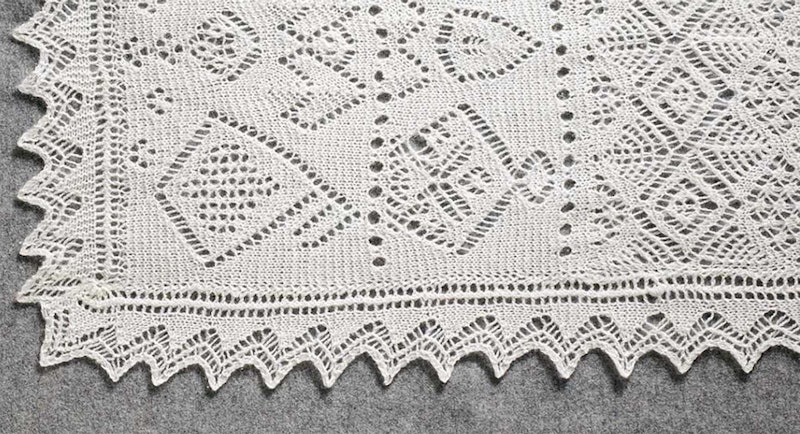
Here in the offices of PieceWork, we come across yarns made with a myriad of fibers. But even with our proximity to the Rocky Mountains, we’ve yet to come across yarn spun with bear fur!

Want to learn about the newest books and videos related to weaving and other textiles? Make sure to check out Handwoven’s Media Picks department every issue. This book review comes from the January/February 2018 issue.
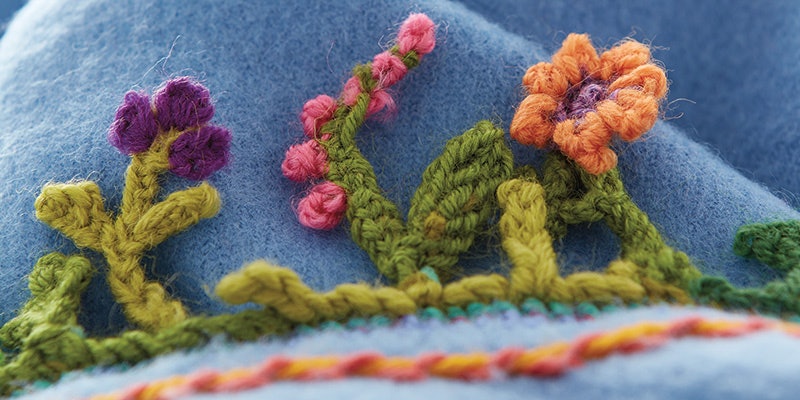
Barbara Morrison says, Cross-knit looping is an adaptable and easily learned technique; it’s also easy to transport and a good way to use short bits and pieces of yarn or thread.
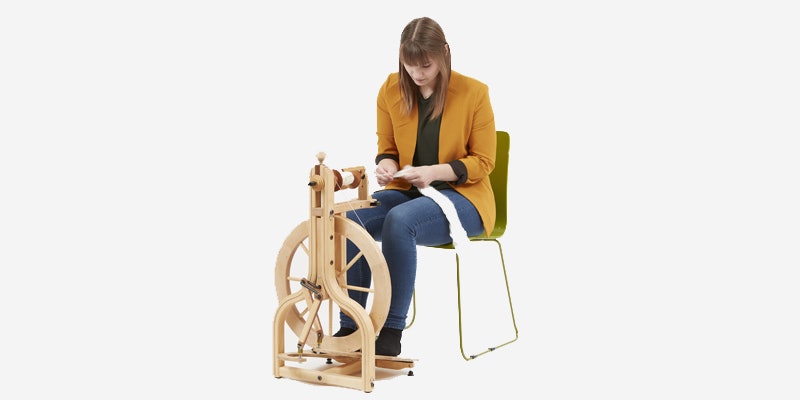
To learn to spin, I tossed Jenna into the deep end and sat her down in front of a spinning wheel before teaching her on a spindle.
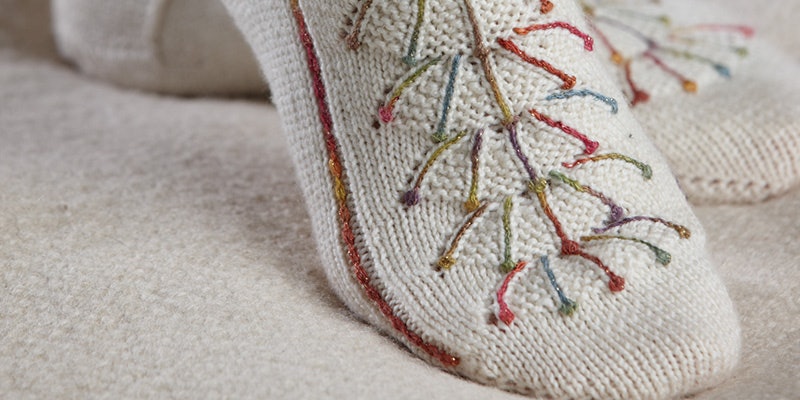
Anna Zilboorg’s Firework socks, featured on the cover of January/February 2011, are a particular PieceWork favorite.
Victorian women knitted their stockings with yarn finer than our contemporary sock yarn.
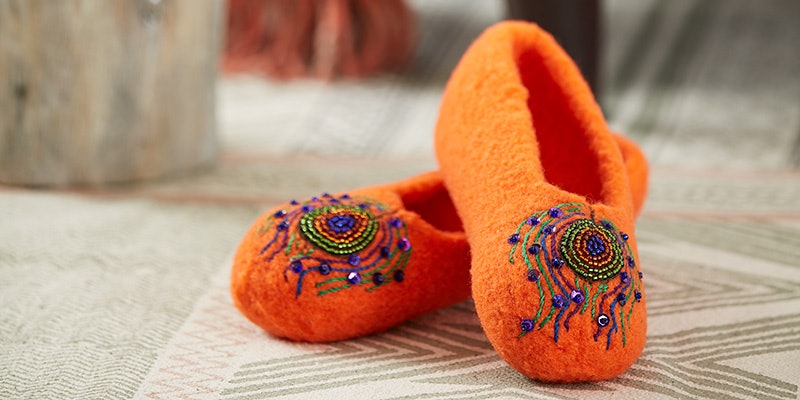
Making felt is an ancient art, possibly the oldest method of creating fabric on record.
The chevron shape was used extensively in heraldic flags, banners, and woven tapestries. Thread a needle and try embroidering chevron stitch.
The complex, counted-thread queen stitch (American) is also known as the rococo (English) and renaissance stitches.
The crown stitch is basically a fly stitch with the additional two straight stitches that further anchor the top-loop leg.
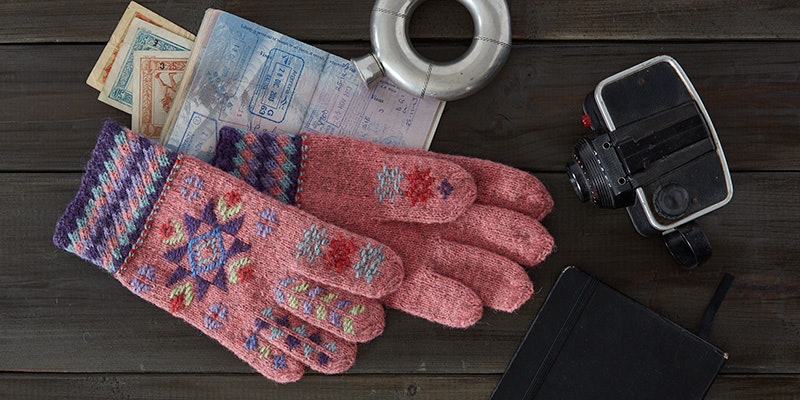
Estonia’s knitwear is fascinating. Expert knitter and designer Nancy Bush has been a student and teacher of Estonian textile traditions for many years.