
Artful Conceptions in Victorian Crochet
Crochet is a language unique in needlework. Learning to crochet is like learning a foreign language that uses a different alphabet, a different construction, and a different elemental foundation.
Category
Crochet is a language unique in needlework. Learning to crochet is like learning a foreign language that uses a different alphabet, a different construction, and a different elemental foundation.
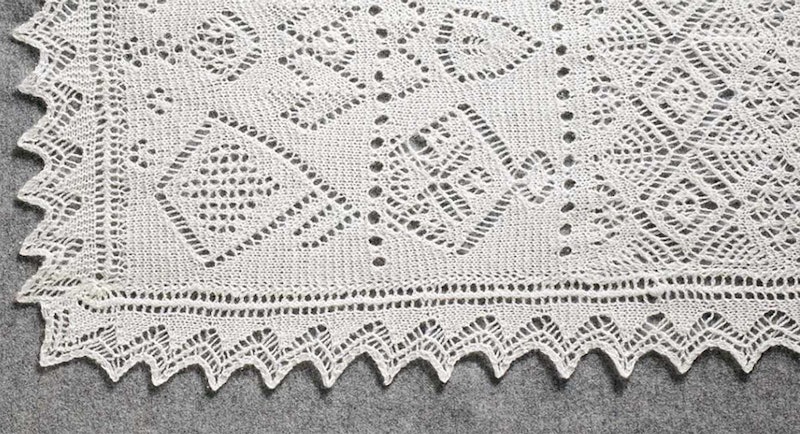
For an example of knitting that would have been done in the last two decades of the nineteenth century, the Victorian era, we asked Carol Huebscher Rhoades to knit the Double Rose-Leaf pattern for us.
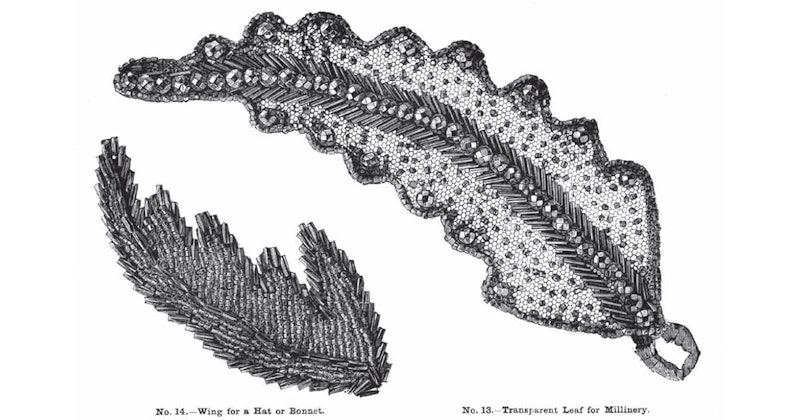
PieceWork’s electronic pattern book Weldon’s Practical Bead-Work, First Series, opens a window on another time and another place. The time is the turn of the twentieth century and the place is London, England.
We offer up another mysterious Victorian knitting project from the pages of Weldon’s Practical Needlework, Volume 1: Knitted Lace or Edging.

February 15, 1820: Suffragette extraordinaire (and lace enthusiast) Susan B. Anthony is born.
Carol Huebscher Rhoades’s lovely knitted scarf honors Isabella Bird, one of the nineteenth-century’s most extraordinary travelers.
The Cretan stitch derives its name from Crete, the largest Greek island in the Mediterranean Sea, home to one of the oldest civilizations (dating from at least the time of Homer’s Odyssey, around the eleventh century b.c.) and a rich legacy of embroidery.
The Bosnia and barrier stitches are easy to sew, similar in appearance, and share aliases. The barrier stitch is basically the French version of the Bosnia.
The fashion transformation from chemise to camisole traveled a long historical road.
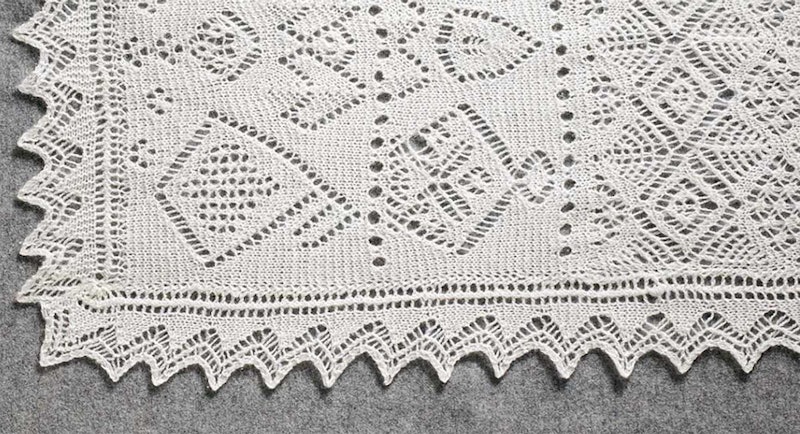
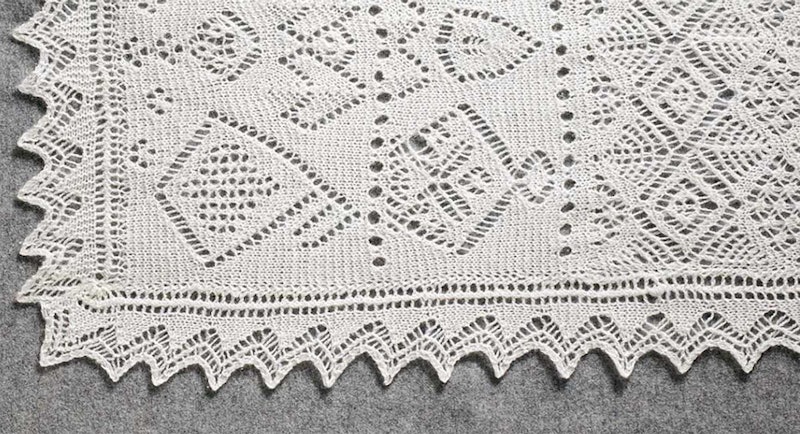
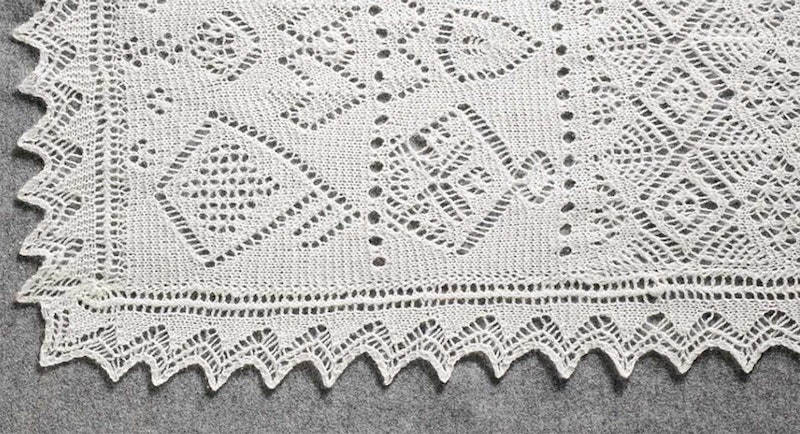
The pattern for this square scarf comes from Linda Elgas’s book Haapsalu rätikud [Haapsalu Scarves] published in 2001 with support from the Haapsalu Handicraft Society in Haapsalu, Estonia.

France bestows its highest honor—Chevalier of the Legion of Honour—on Edith Wharton for her remarkable war-relief efforts in Paris during World War I (1914–1918).
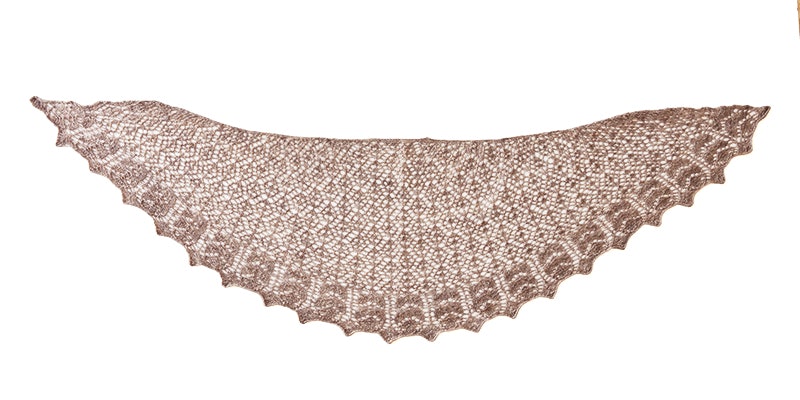
Carolyn Wyborny used a veil pattern from Volume 5 of Weldon’s as the bases for her crescent shawl featured in the May/June 2018 issue of PieceWork.