
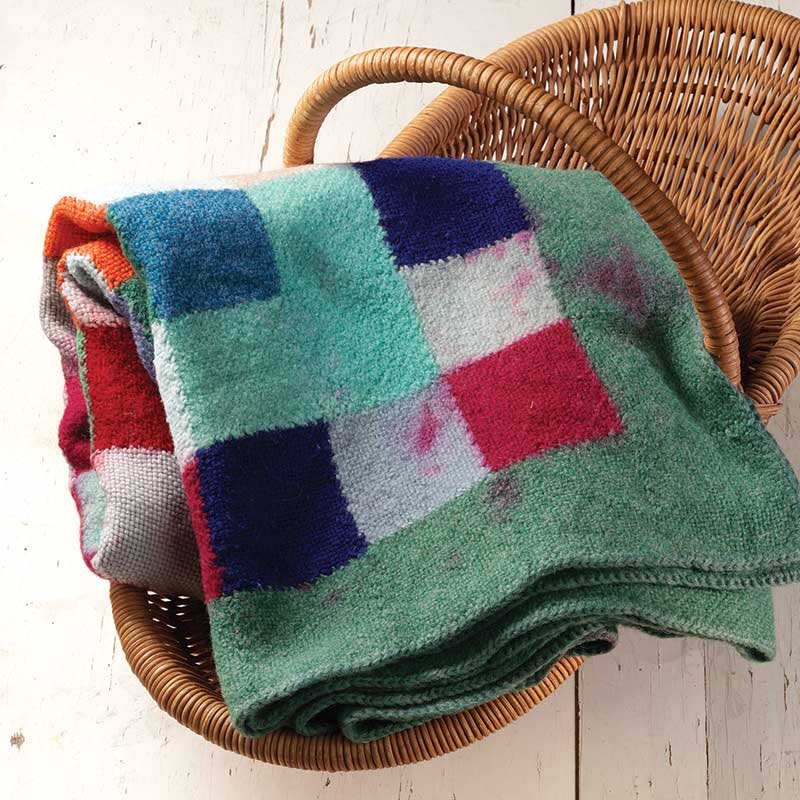
The Very Best Afghans in the World
Using little looms are all the rage these days. Yet, these portable and versatile tools have been around for quite some time.
Category
Using little looms are all the rage these days. Yet, these portable and versatile tools have been around for quite some time.
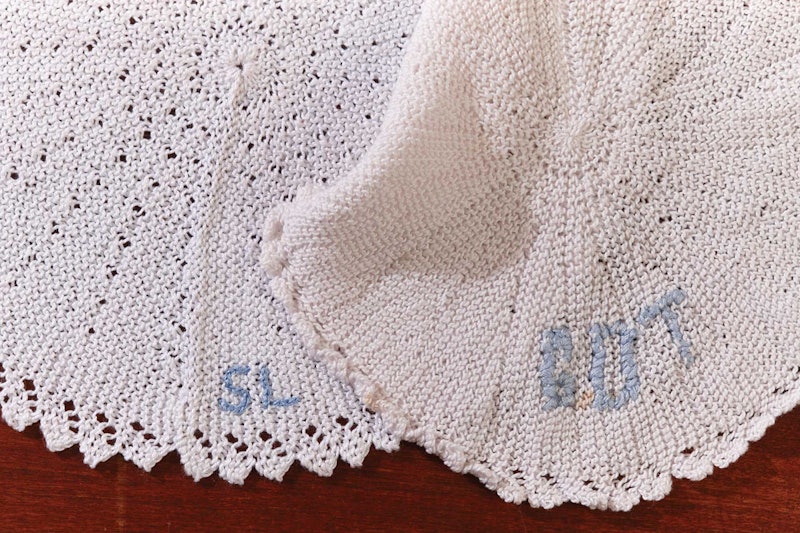
Sara Lamb doesn't know when great-aunt Gladys knitted this cloth, but she's used it for more than twenty years, ever since she found it in the case.

Learn tips and techniques to help you properly store extra-special textiles.

On July 14, France celebrates Bastille Day (or as they call it “Quatorze Juillet”), the anniversary of the storming of the Bastille prison in 1789 that marked a turning point in the French Revolution—well, the first of their revolutions, anyway.

A polushawl (polushalok in Russian) is a smaller version of a traditional Orenburg warm shawl.
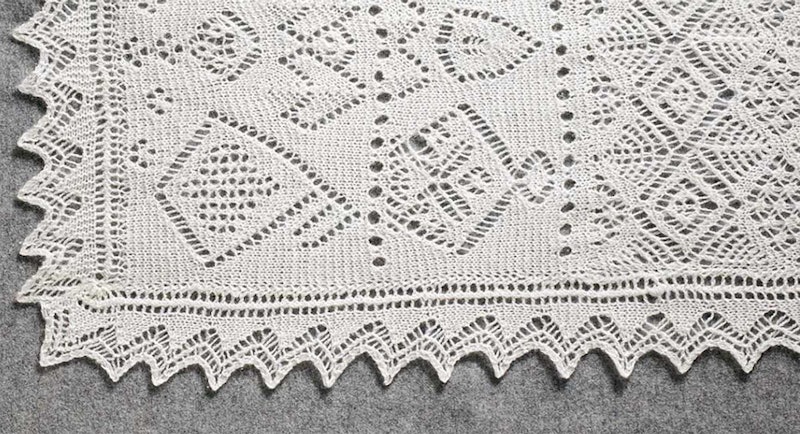
The modern christening gown did not appear until after 1700, when more families began to have enough wealth to be able to show it off.

This lace stole is of the Orenburg tradition with gossamer construction using Diagonal, Strawberry, and Mouse Print patterns.
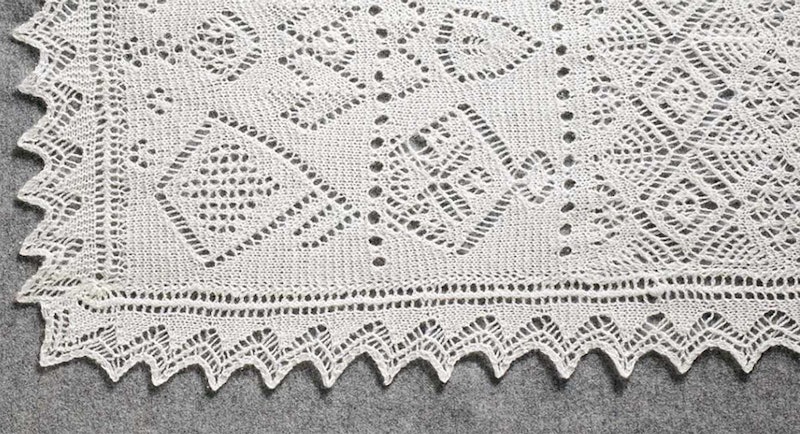
In 2005, the owner of a damaged shawl asked Margaret Stove to restore the family heirloom as closely as possible to its original state.
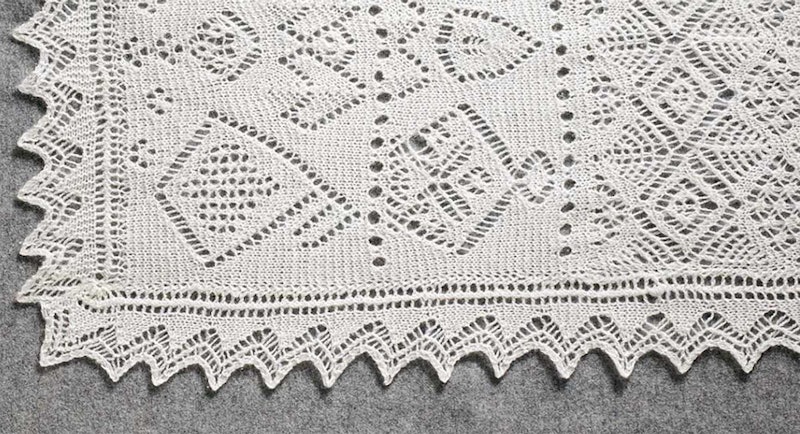
The pattern for this square scarf comes from Linda Elgas’s book Haapsalu rätikud [Haapsalu Scarves] published in 2001 with support from the Haapsalu Handicraft Society in Haapsalu, Estonia.
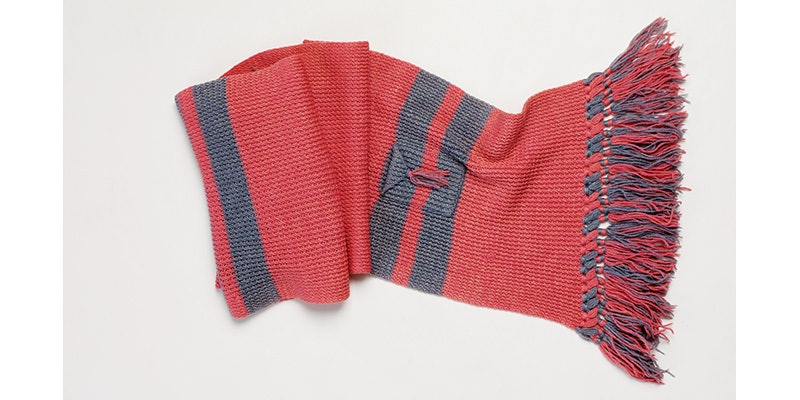
In “Knitted Together Through Time” Jacqueline Blix revisits a family heirloom shawl knit by Joseph Sheldon Long, a World War I soldier.

Net embroidery was fairly simple to do but required patience. Catherine would have traced the design on paper or cloth, then basted cotton bobbinet over it, keeping the net straight and not too tight as she mounted it on a simple pasteboard frame.
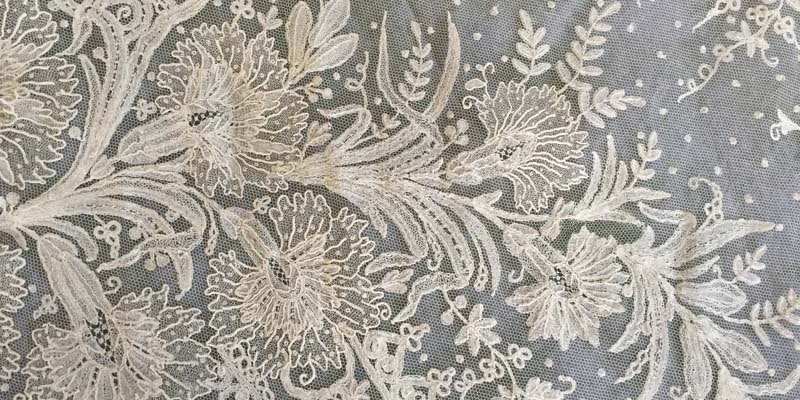
The story of the Green family’s lace wedding veil begins when Mary Elizabeth Mulligan (August 31, 1835–March 8, 1911) selected a point d’Angleterre lace veil to wear for her wedding to Robert Stockton Green (March 25, 1831–May 7, 1895).