
A Treasure Pouch in Simple Looping
Imbue your totems, tokens, or talismans with even more significance by nestling them in a handmade treasure pouch, from the PieceWork January/February 1994 issue. It’s perfect for precious things!
Category
Imbue your totems, tokens, or talismans with even more significance by nestling them in a handmade treasure pouch, from the PieceWork January/February 1994 issue. It’s perfect for precious things!
The Crocheted Imitations of Fur pattern from Volume 1 is a mystery to us. Help us stitch up this enigma.
What does this crochet Square for Baby’s Quilt look like?
From a child’s petticoat to drawers for ladies and gentleman, we discovered the perfect sampling of knitted and crocheted Victorian undergarments.

It might be difficult to imagine how one tiny, seemingly humble object could have such a significant impact on human history, but there is no questioning the importance of the needle.
Loene McIntyre became a collector of antique needlework tools in the 1980s, and she’s still going strong.
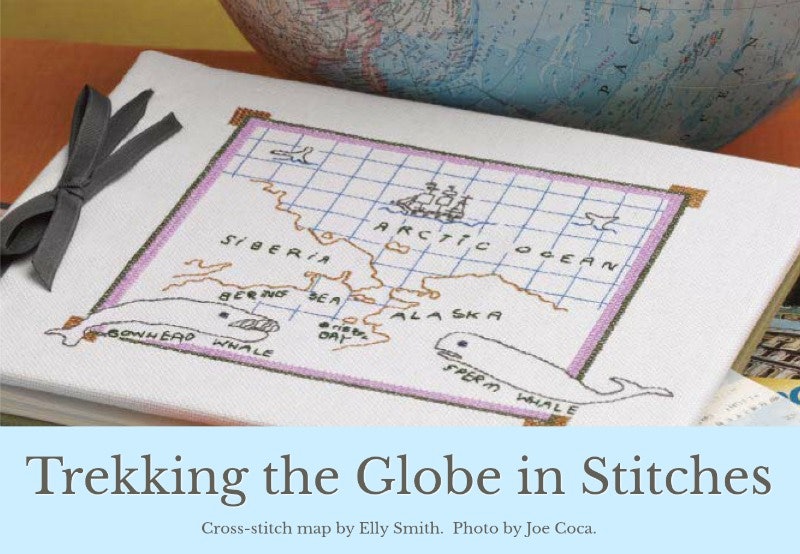
The next stop on our tour of needlework from the seven continents is Asia. Pamela D. Toler introduces us to suzanis, embroidered dowry pieces from the region of Central Asia now known as Uzbekistan.
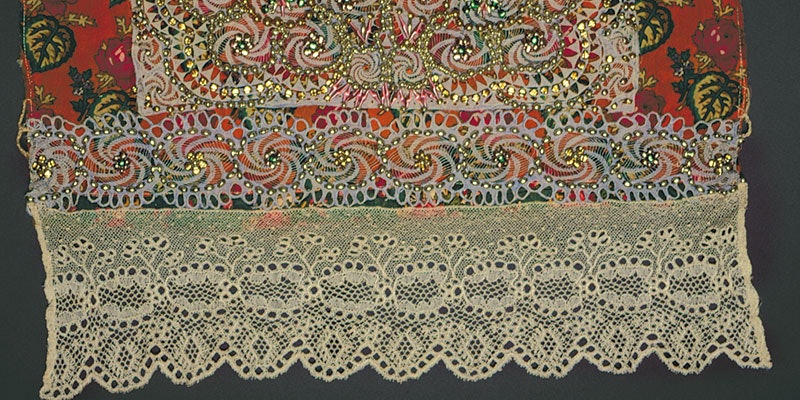
The next stop on our tour of needlework from the seven continents is Europe. Helene Baine Cincebeaux introduces us to the beautiful beadwork of Central Europe.
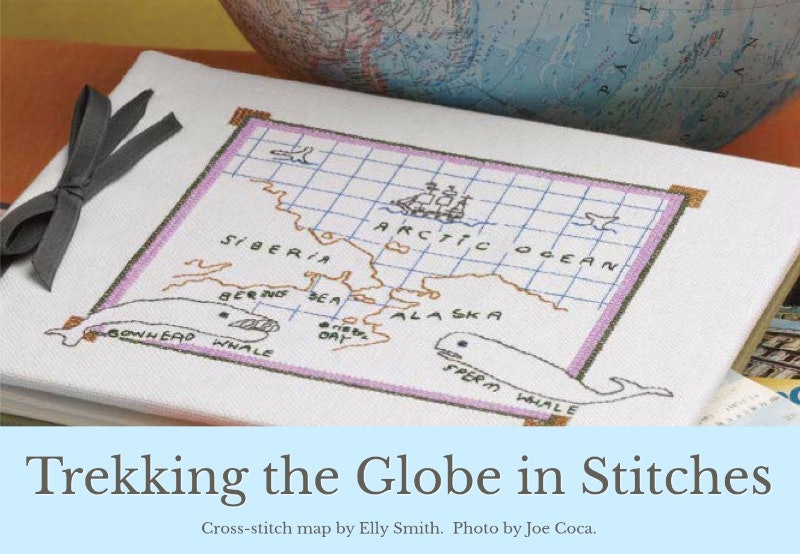
The sixth stop on our tour of needlework from the seven continents is Australia. Mary Polityka Bush introduces us to The Ladies of Missalongh.
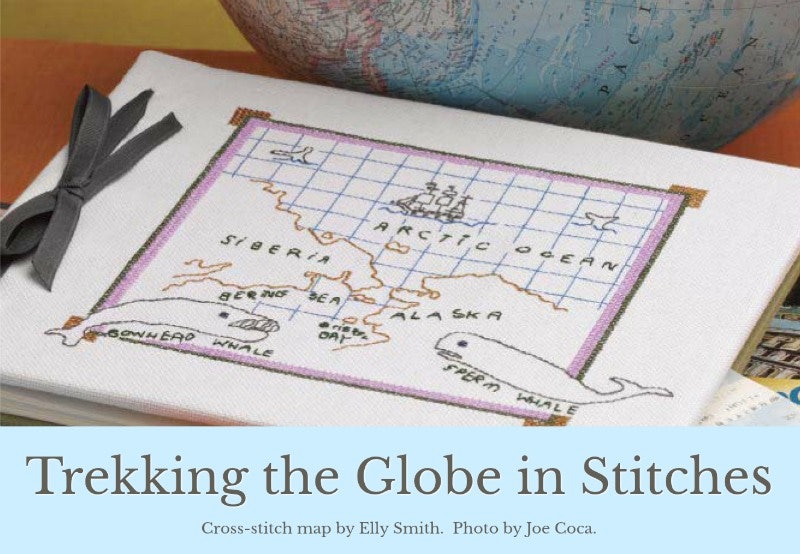
The next stop on our tour of needlework from the seven continents is South America. Follow tour guide for the Americas, Cynthia Lecount Samaké, and head south to the Andes.
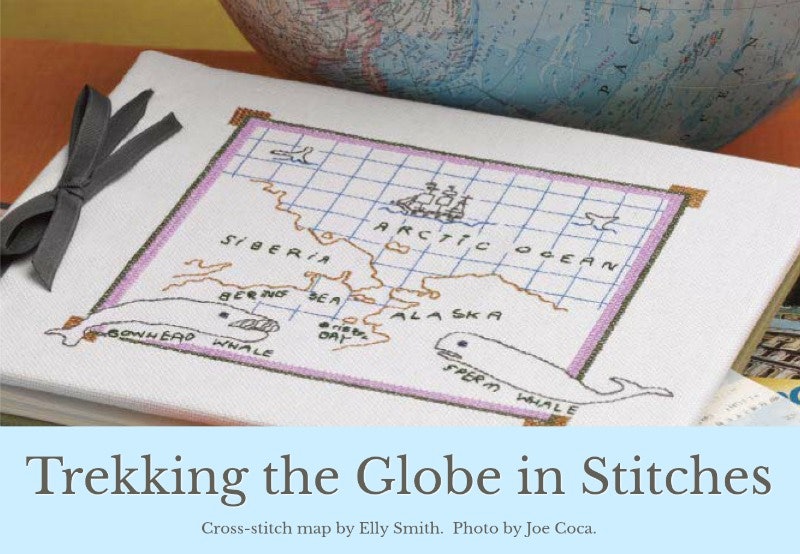
The next stop on our tour of needlework from the seven continents is North America. Cynthia Lecount Samaké introduces us to the red huipiles (traditional square-cut blouses) worn by the women of Patzún in Guatemala.
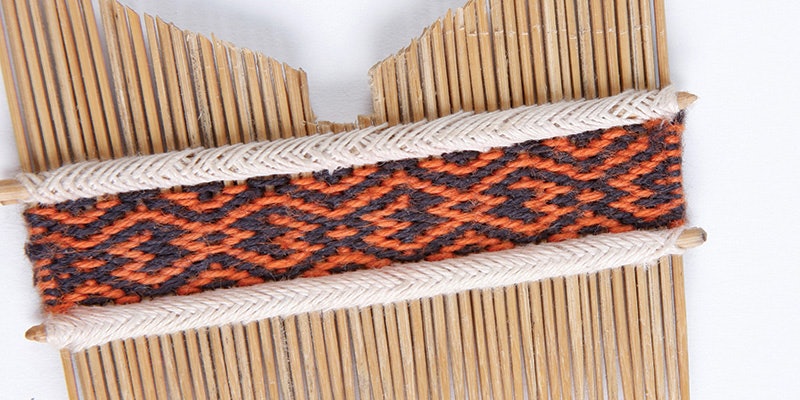
Here are two wooden combs, their handmade components lashed together and decorated with handspun thread. The dark comb, adorned with macaw feathers, came from the Shipibo, a people indigenous to the Ucayali river valley of eastern Peru.