
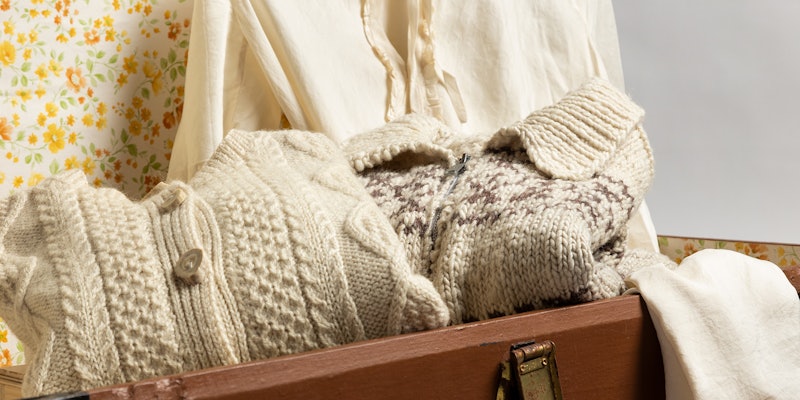
Creative Scrimping
Celia Sanderson learned to “make do” in Yorkshire, England, during World War II. Her creative thrift remains today in the stitches of a nightgown made from parachute silk, a suit made from cast-off curtains, and more.
Category
Celia Sanderson learned to “make do” in Yorkshire, England, during World War II. Her creative thrift remains today in the stitches of a nightgown made from parachute silk, a suit made from cast-off curtains, and more.
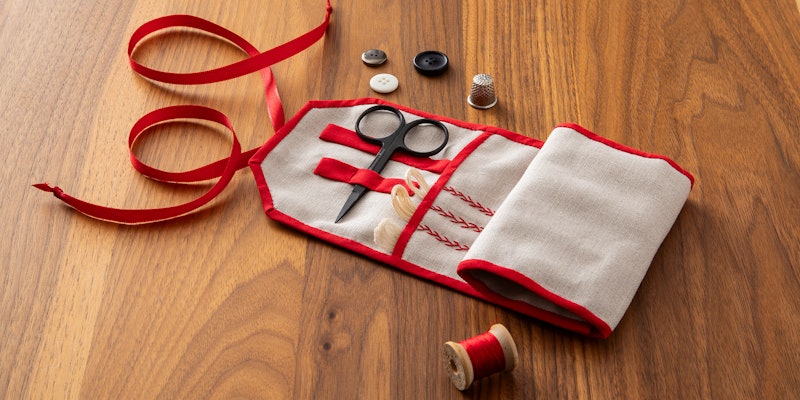
The PieceWork team weighs in on the tools they rely on for simple repairs
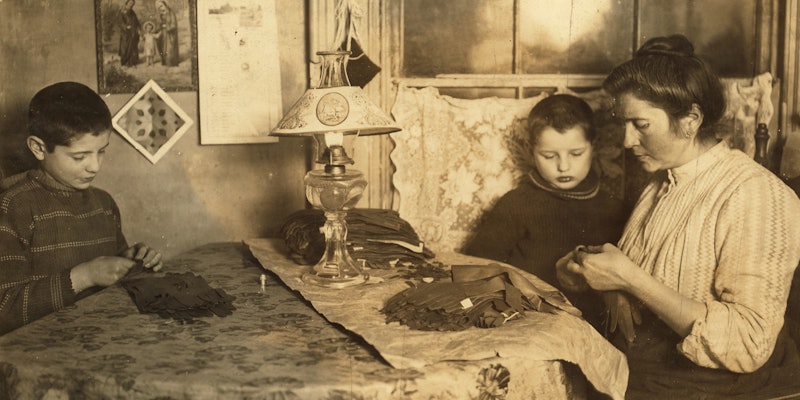
Plain sewers and fancy needleworkers in the eighteenth and nineteenth centuries
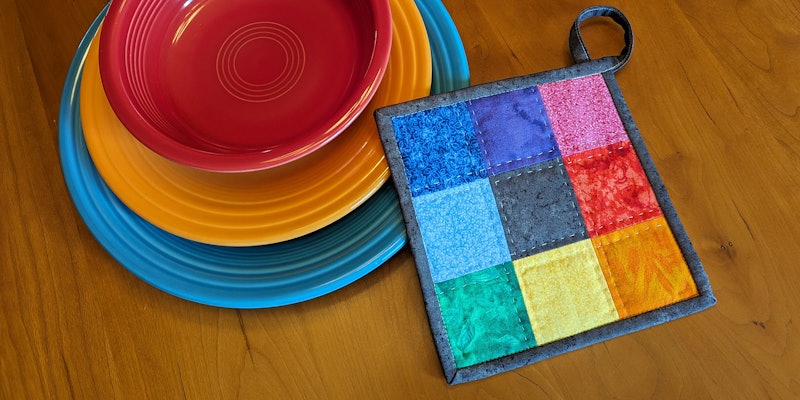
Lavon shares a quick project for when you don’t have time for a full quilt.
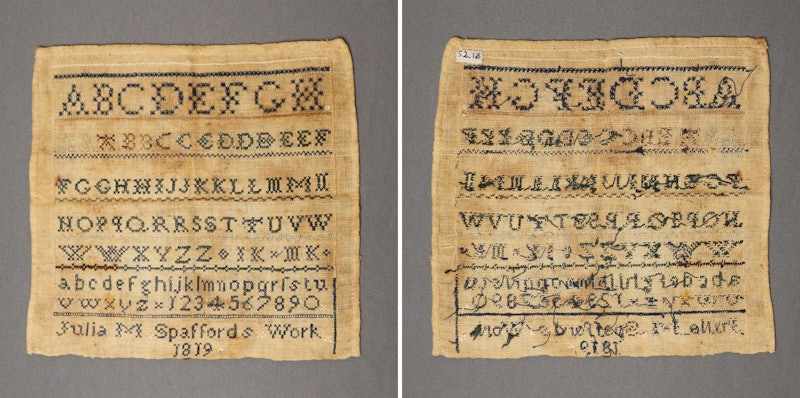
In this first part of a three-part series, the author looks at the first concept—how and where girls learned their sewing skills—that is examined in an upcoming exhibition at the DAR Museum in Washington, DC.
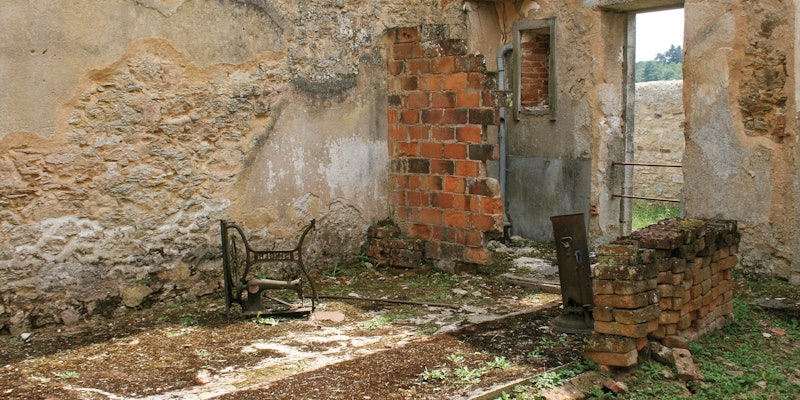
After the war, General Charles de Gaulle ordered that Oradour-sur-Glane remain as it was—not to be torn down, not to be rebuilt.

Stitching allows children to gain competency while wielding a real tool and producing visible results. It also prepares them for later academic work such as writing and mathematics.
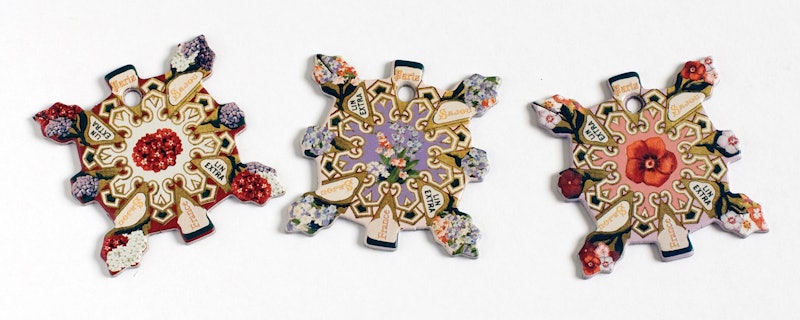
Discover the colorful origins of the venerable Maison Sajou--a French design and needlework workshop, with a legacy that continues to intrigue stitchers today.
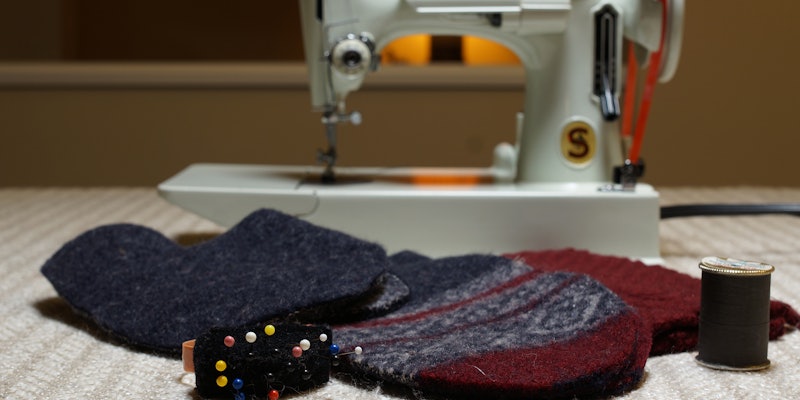
Start with $100 and see how much good you can do.
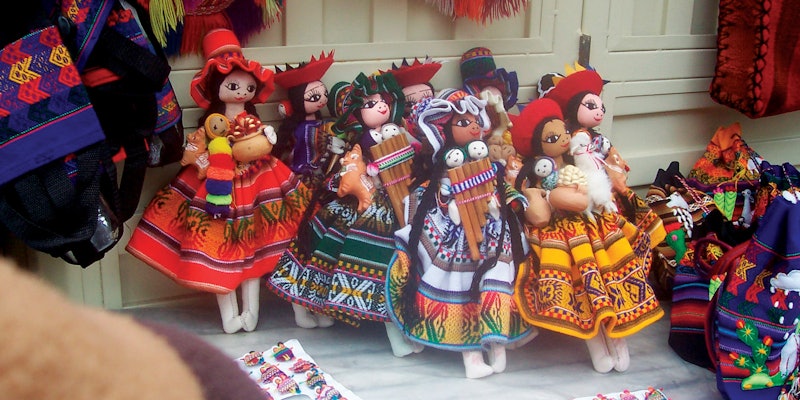
Learn about these colorful and elaborate one-of-a-kind dolls and the women who create them.
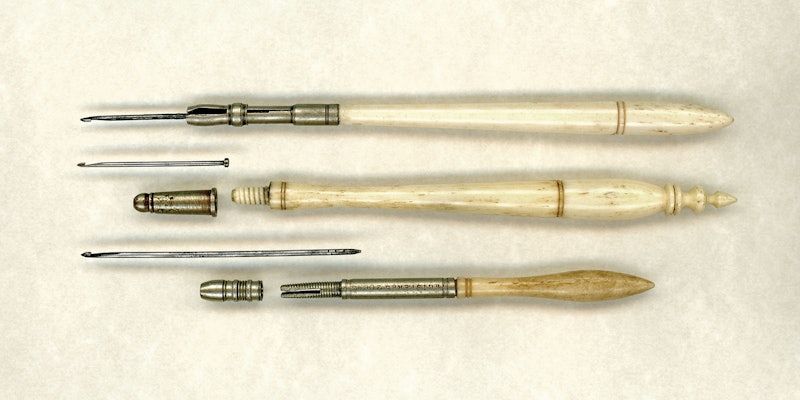
Early British steel crochet hooks were manufactured from steel wire using the same methods and in the same workshops as sewing needles.
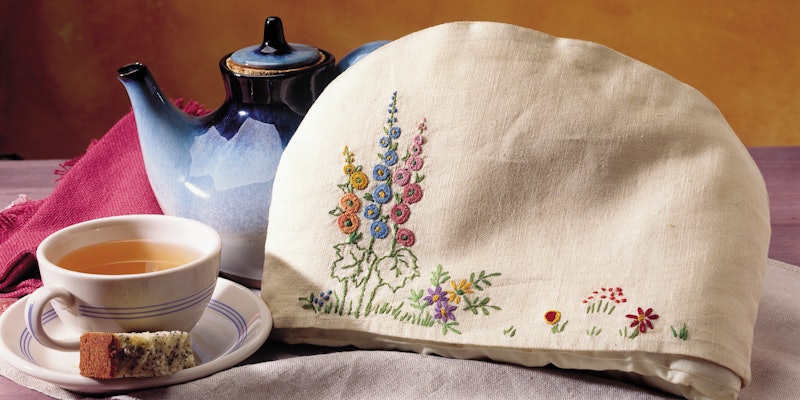
Victorians transformed tea cozies from a necessity into fashion. Read about the unique forms they've taken over the years!