
A Stitch in Time: The Crown Stitch
The crown stitch is basically a fly stitch with the additional two straight stitches that further anchor the top-loop leg.
Category
The crown stitch is basically a fly stitch with the additional two straight stitches that further anchor the top-loop leg.
On December 14, 1542, Princess Mary Stuart becomes Mary, Queen of Scots. Here’s the needlework connection to this event.
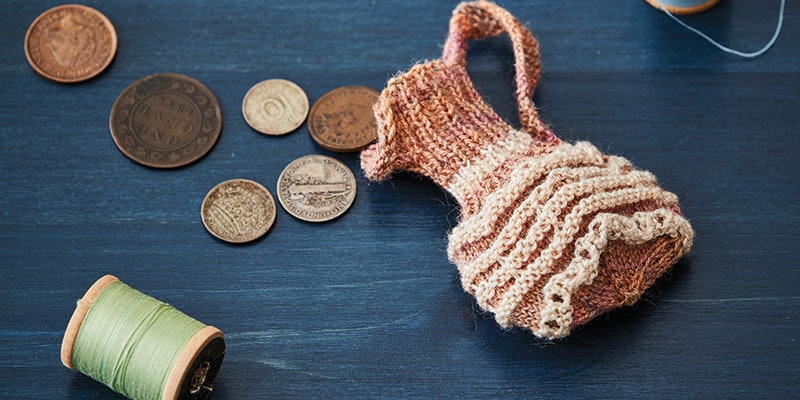
These little knitted jugs are generally about 3 to 4 inches (8 to 10 cm) high, often knitted in the round in two colors, in stripes, using fine yarn and fine needles.
Net embroidery was fairly simple to do but required patience. Catherine would have traced the design on paper or cloth, then basted cotton bobbinet over it, keeping the net straight and not too tight as she mounted it on a simple pasteboard frame.
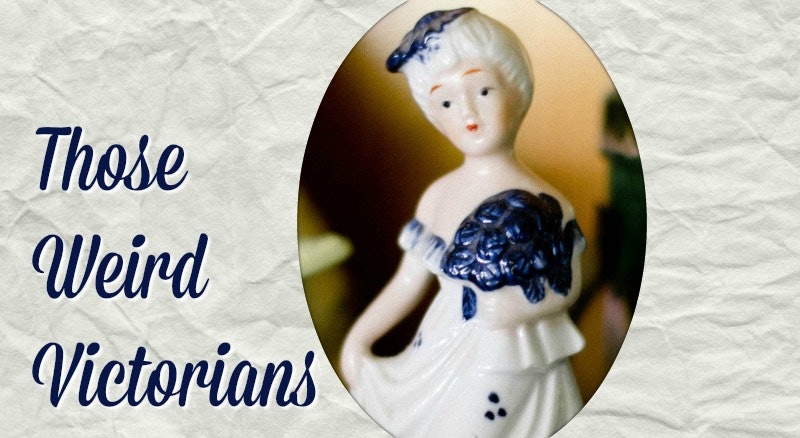
One thing no refined home could do without was a pincushion. Victorian pincushions ran the gamut from practical to ornate.
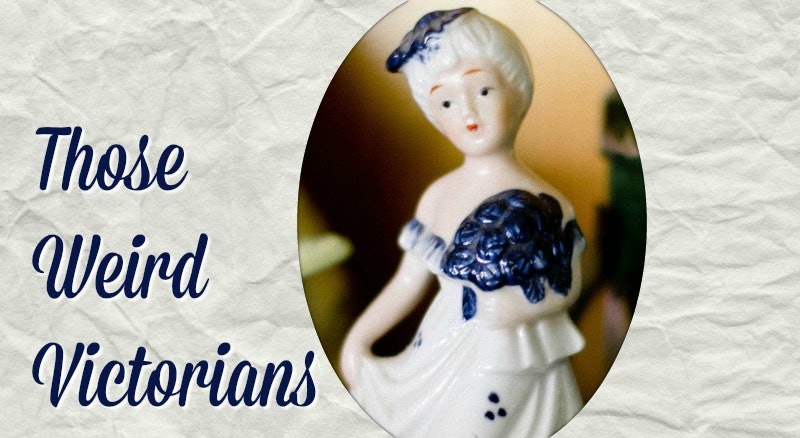
Worsted Balls. (Yes, you read that correctly.) What in tarnation do these Weldon’s Worsted Balls look like?
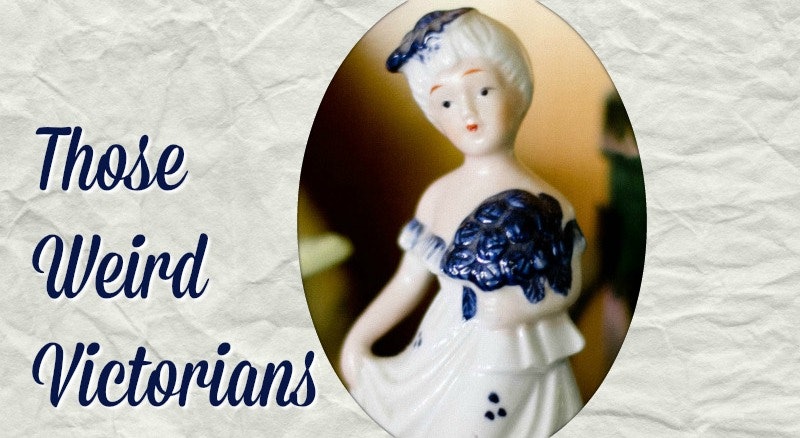
Here is the pattern just as it was presented in 1886, with neither alterations nor corrections. We encourage you to cast on Weldon’s Bolster Pincushion and email us a photo.
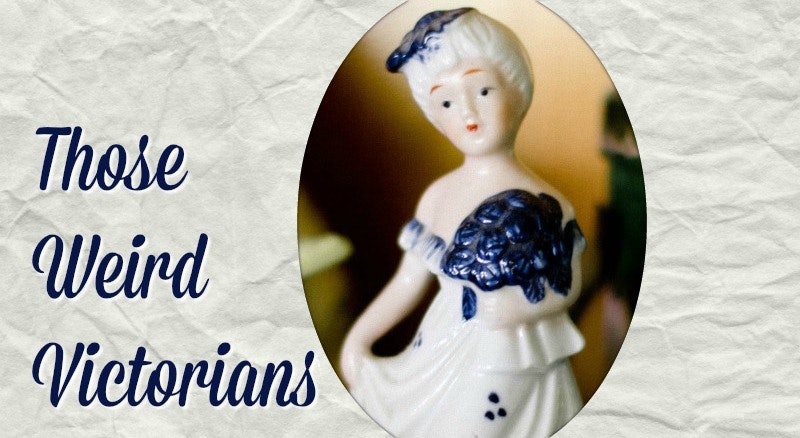
Teeming with projects for babies and children, Weldon’s Practical Knitter, Volume 1, First Series includes the Baby’s Knitted Boot.

Who knew embroidery patents could be so fascinating?
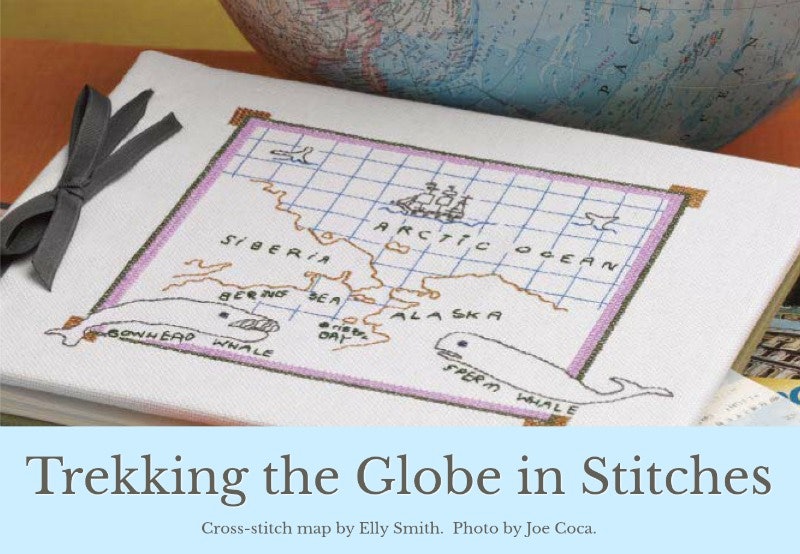
The next stop on our tour of needlework from the seven continents is Asia. Pamela D. Toler introduces us to suzanis, embroidered dowry pieces from the region of Central Asia now known as Uzbekistan.
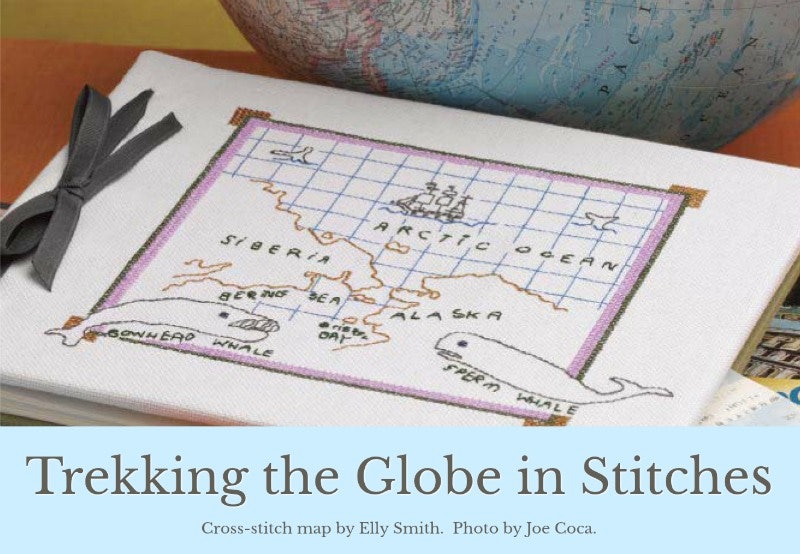
The next stop on our tour of needlework from the seven continents is South America. Follow tour guide for the Americas, Cynthia Lecount Samaké, and head south to the Andes.
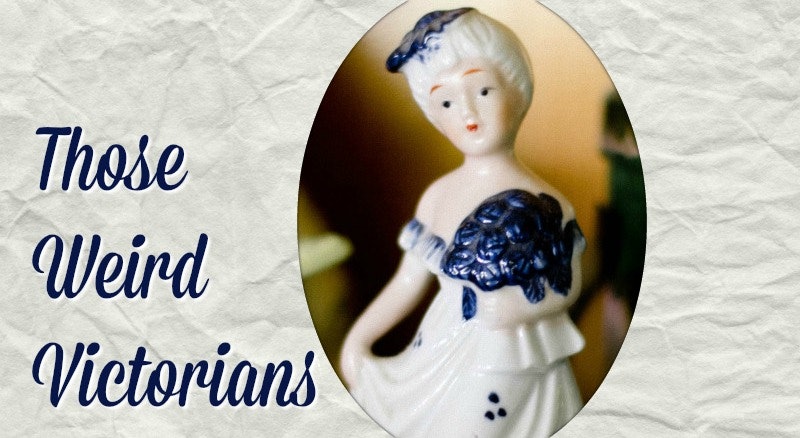
Do you need some extra-sturdy socks for the winter months? Double knit those heels and toes the Weldon’s way to keep your feet safe and warm.