
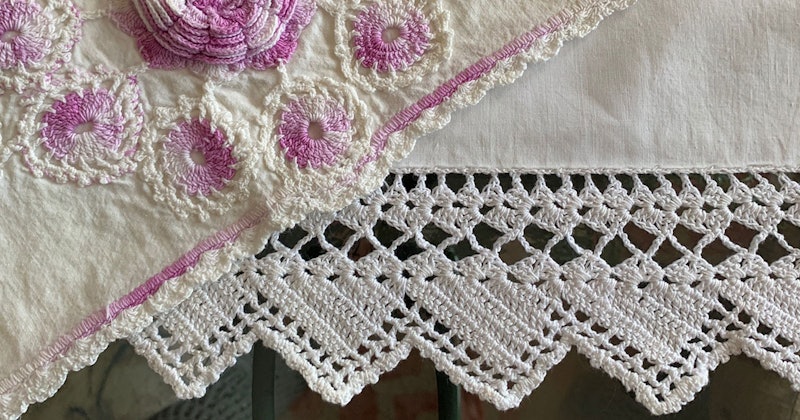
Discover Timeless Crocheted Edgings in Weldon’s Practical Needlework
Crocheted edgings are a legacy born from the desire to beautify one’s home environment and the pleasure of creating with one’s own hands.
Category
Crocheted edgings are a legacy born from the desire to beautify one’s home environment and the pleasure of creating with one’s own hands.
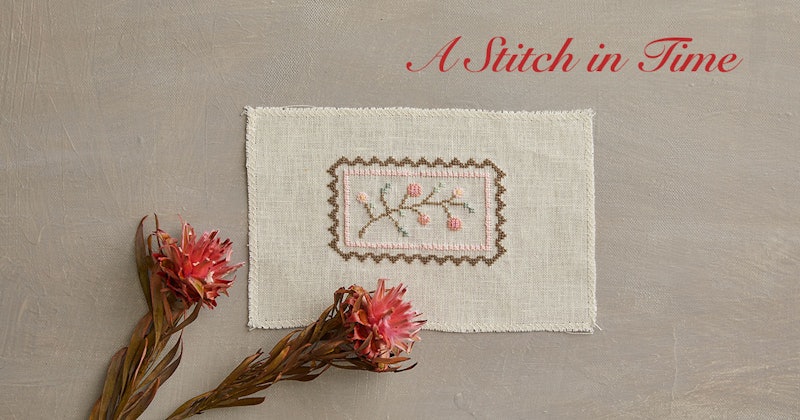
The Sorbello or Sorbello knot stitch is a textured Italian embroidery stitch, originating in the small village of Sorbello, near Naples.
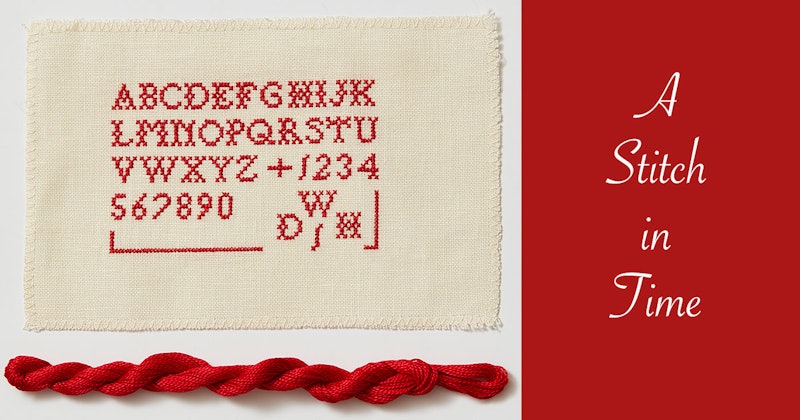
The marking stitch is yet another member in the large cross-stitch family. It's a reversible stitch that forms cross-stitches on the front of the fabric and neat open squares of straight stitches or four-sided stitches on the back.
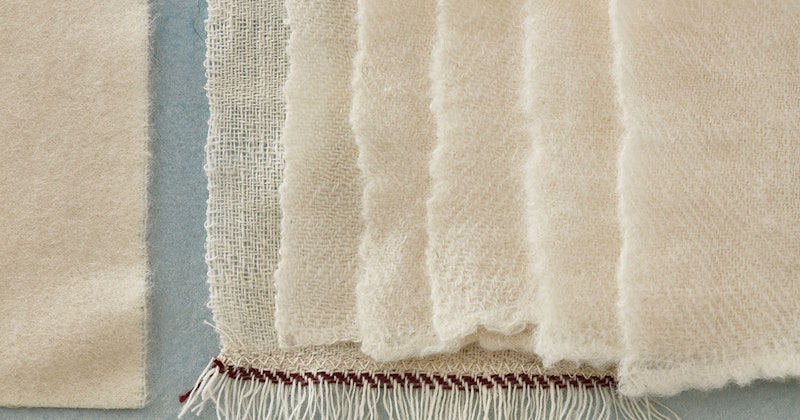
Spin Off Winter 2019 included an article chronicling Sarah Wroot’s adventures in weaving handspun singles, fulling cloth with a wooden mallet, and more as she re-created an eighteenth-century textile.
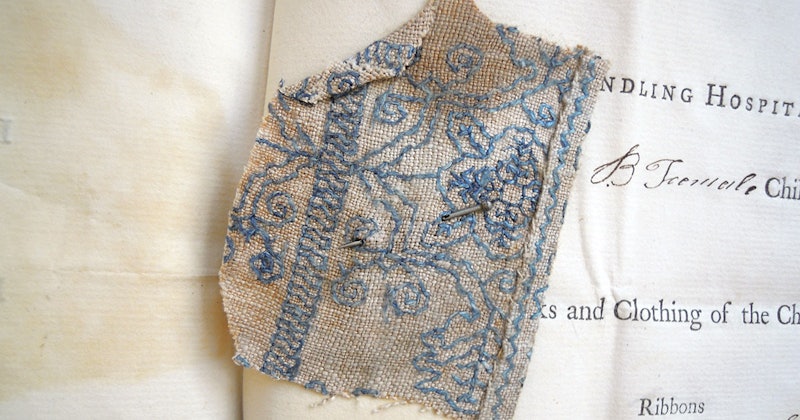
Preserved among the records of The Foundling Museum, site of the former London Foundling Hospital, is what is now recognized as the largest collection in Britain of everyday textiles from the eighteenth century.
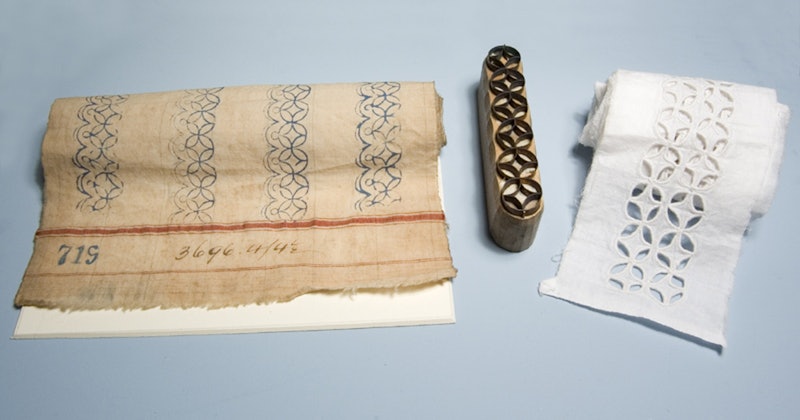
Ayrshire, a county on the southwest coast of Scotland, is perhaps best known as the birthplace of the poet Robert Burns. But Ayrshire is also home to an exquisite style of whitework embroidery known as Ayrshire needlework.

The tradition of exquisite embroidery at Durham Cathedral continues to this day.
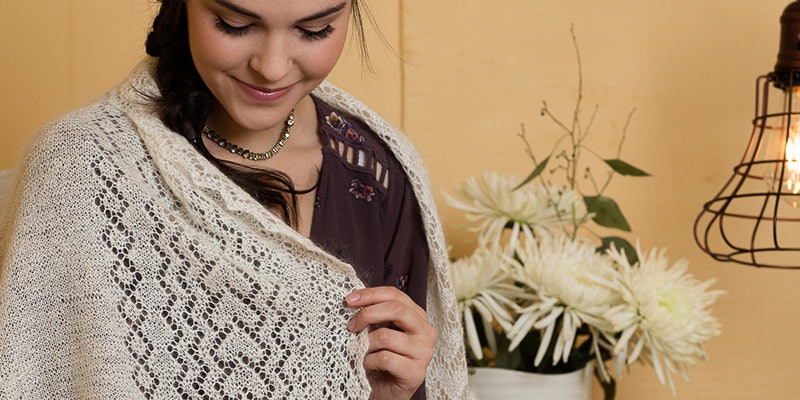
A polushawl (polushalok in Russian) is a smaller version of a traditional Orenburg warm shawl.
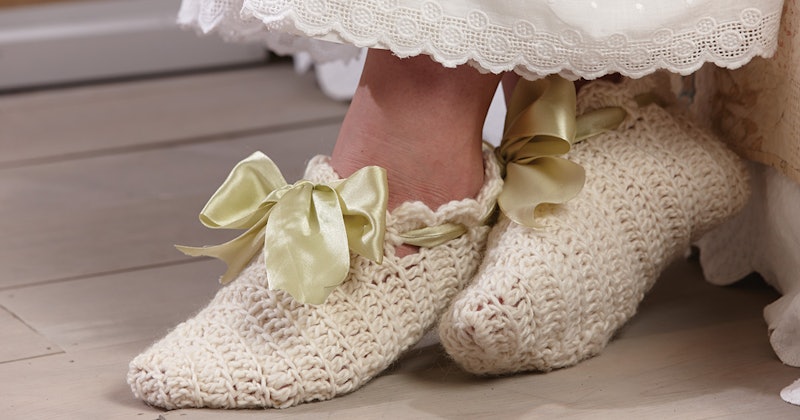
In the November/December 2013 issue of PieceWork, contributor Betsy Butler shares a bit about Mrs. McKinley’s passion for crochet in her article, “First Lady Ida Saxton McKinley and Her Crocheted Slippers.”
Handknitted socks are the luxury of the wearer. They’re a private pleasure to enjoy inside one's boot, or they add a pop of color at the boundary of a shoe.

This gloriously illustrated coffee-table book by Chantal Trubert-Tollu, Françoise Tétart-Vittu, Jean-Marie Martin-Hattemberg, and Fabrice Olivieri tells the story of the House of Worth.
Started in 1877 at Wemyss Castle by Dora Wemyss, the idea behind Wemyss School of Needlework was to teach needlework skills to the daughters of the miners and farmers in the area so that they could earn a living and be independent.