
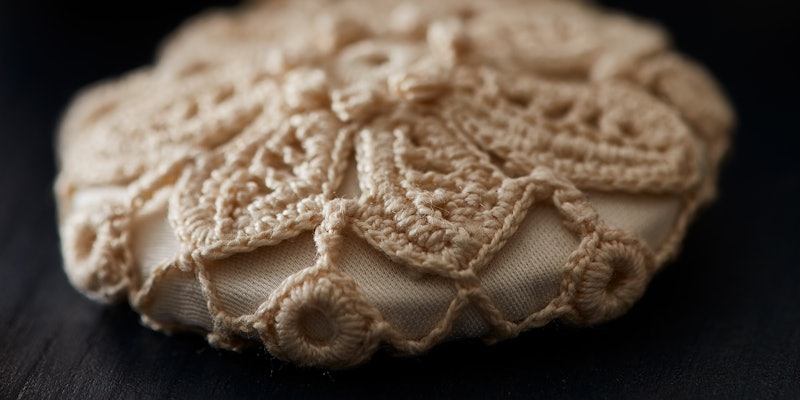
Irish Crochet Buttons to Make
For the 11th-annual Lace Issue of PieceWork, May/June 2018, Pat Olski shares her adaptation of two timeless Irish crochet buttons to make.
Category
For the 11th-annual Lace Issue of PieceWork, May/June 2018, Pat Olski shares her adaptation of two timeless Irish crochet buttons to make.
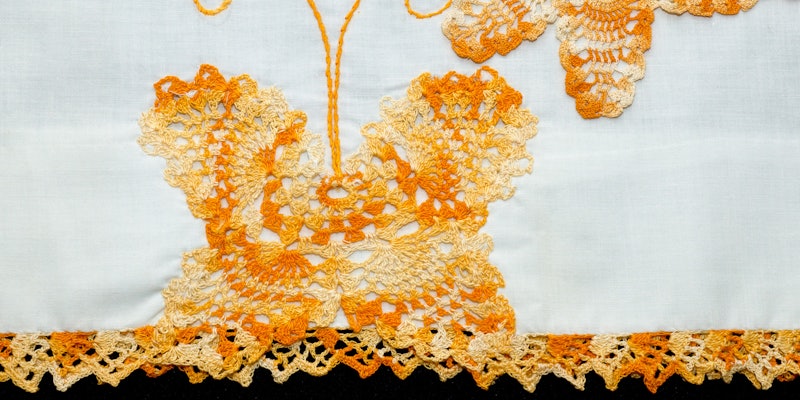
Mid-century homemakers decorated their household linens and handkerchiefs with embroidery, crochet, tatting, hairpin lace, and more—a discreet way to show off their needlework skills.
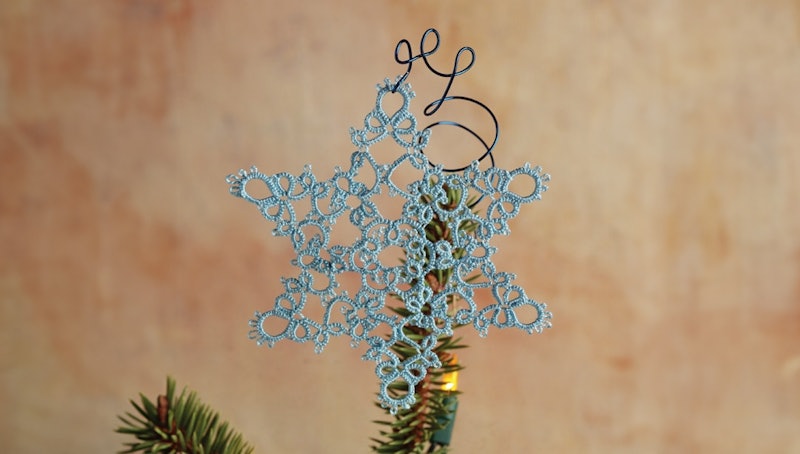
This beautiful delicate star is worked in two rounds—one for the center and one for the points of the star.
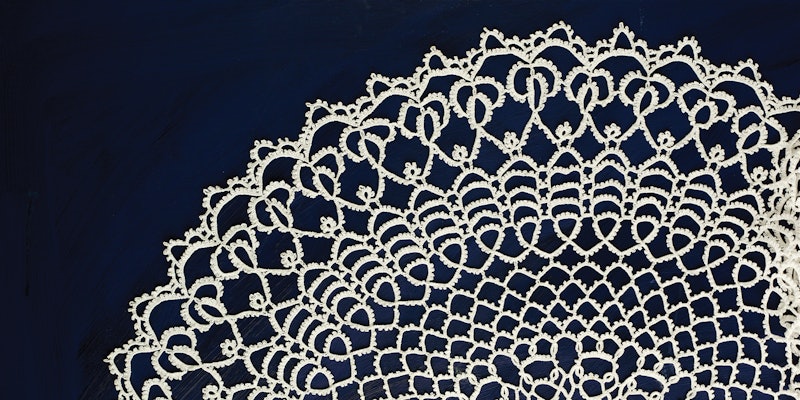
Although knotted laces have the advantage of being stable, they have the disadvantage of taking a long time to make. Looped lace may be fast to make, but it lacks stability.
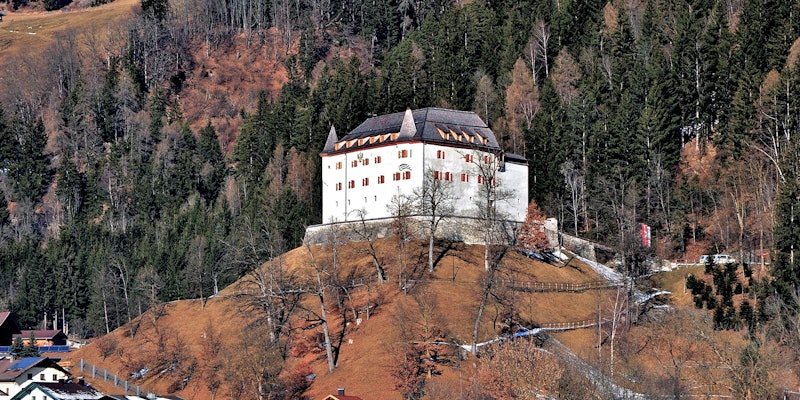
Very little was known about fifteenth-century undergarments before this discovery as no other textile examples exist.
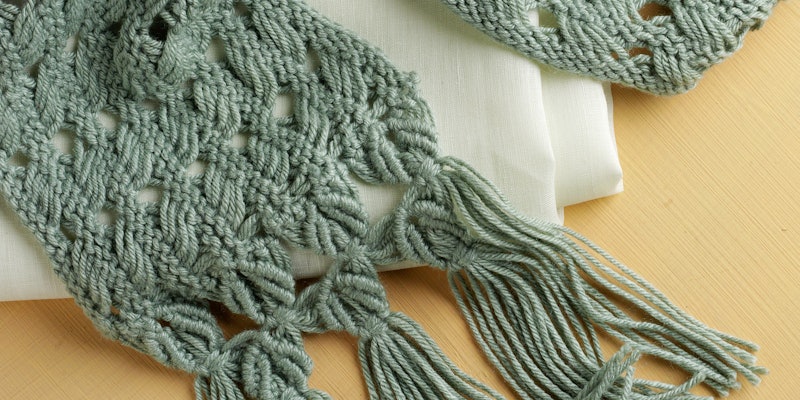
A look into the popularity of macramé during Victorian times.
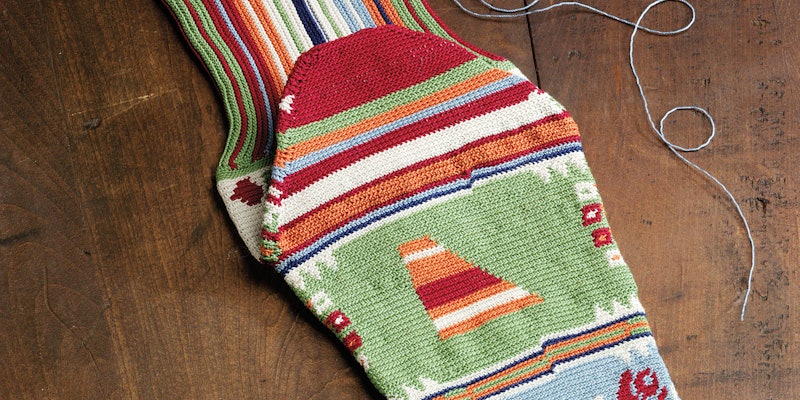
Sarah re-creates a vintage sock with an unknown past.
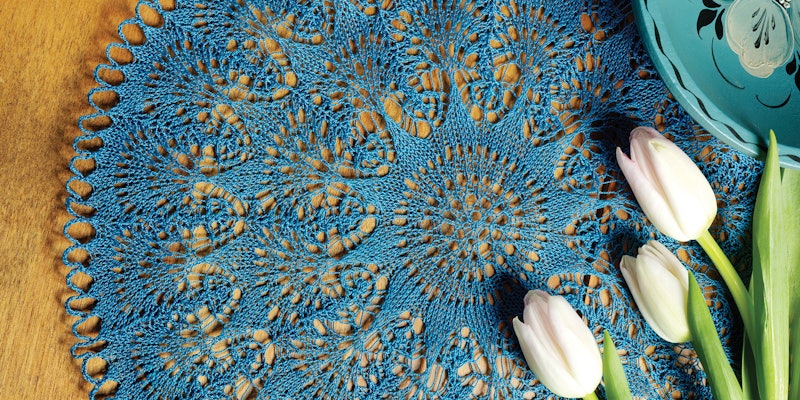
The doily has been at the center of home décor fashion for more than a century.
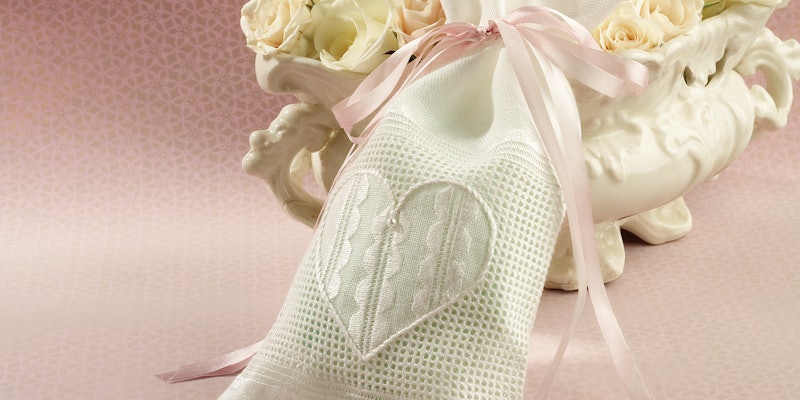
The technique known variously as Dresden lace embroidery originated in Dresden, the capital of Saxony, which is located in the southeastern part of present-day Germany, in the seventeenth century.
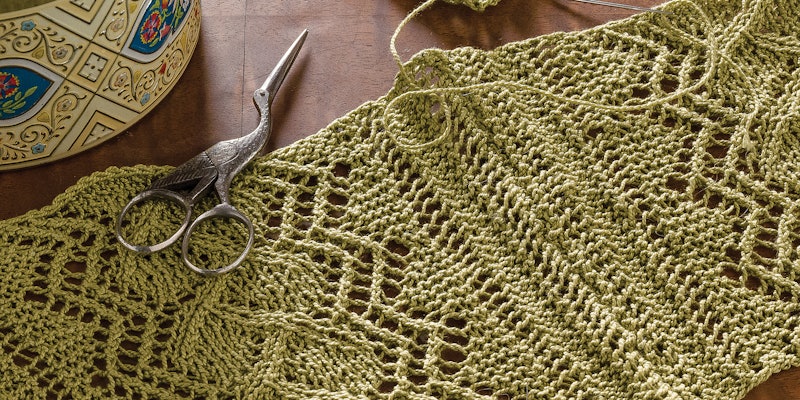
The seventh edition of PieceWork’s Knitting Traditions, Fall 2013, is all about lace—its magic and mystery and its ethereal quality—as expressed in knitting.
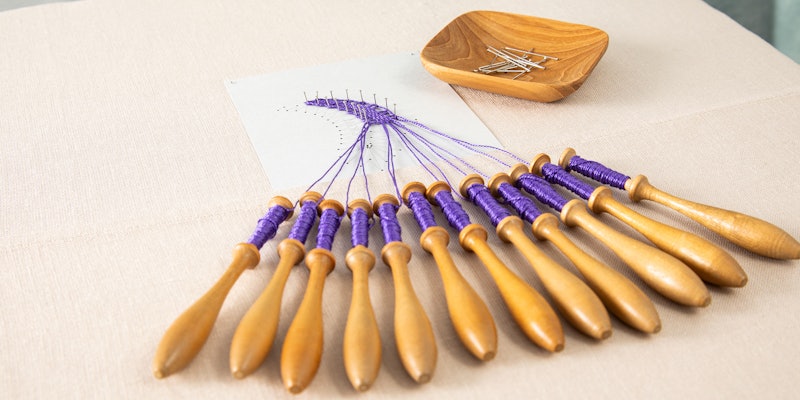
Karen H. Thompson demonstrates bobbin lace stitches in this quick video!
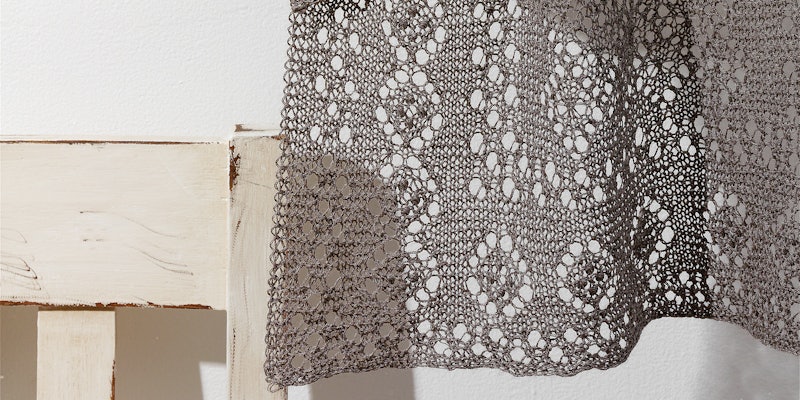
The Orenburg knitting technique makes this delicate knit wrap lighter than air.