
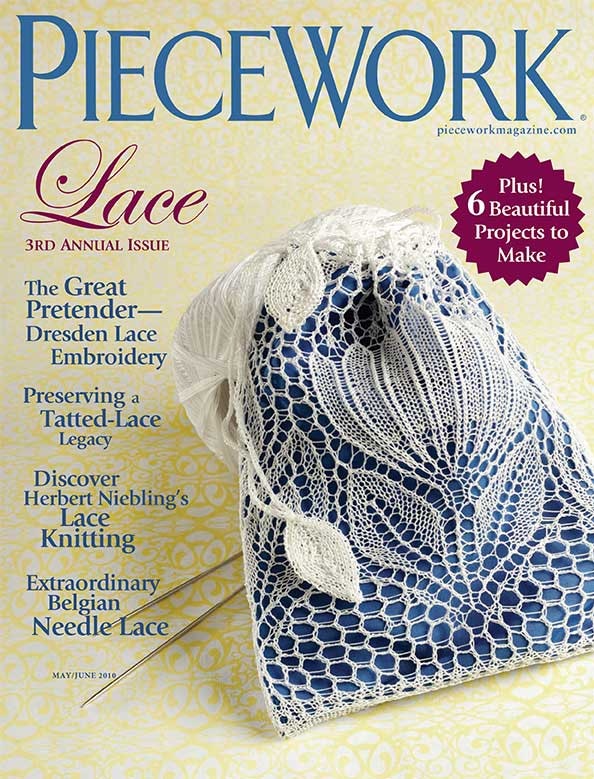
PieceWork · No. 5
PieceWork May-June 2010
Our third annual issue focusing on lace is packed with beautiful projects and historical information on knitted, crocheted, bobbin, needle, and tatted lace.
PieceWork · No. 5
Our third annual issue focusing on lace is packed with beautiful projects and historical information on knitted, crocheted, bobbin, needle, and tatted lace.
Patterns, stories, and extras printed in PieceWork May-June 2010.

The technique known variously as Dresden lace embroidery originated in Dresden, the capital of Saxony, which is located in the southeastern part of present-day Germany, in the seventeenth century.
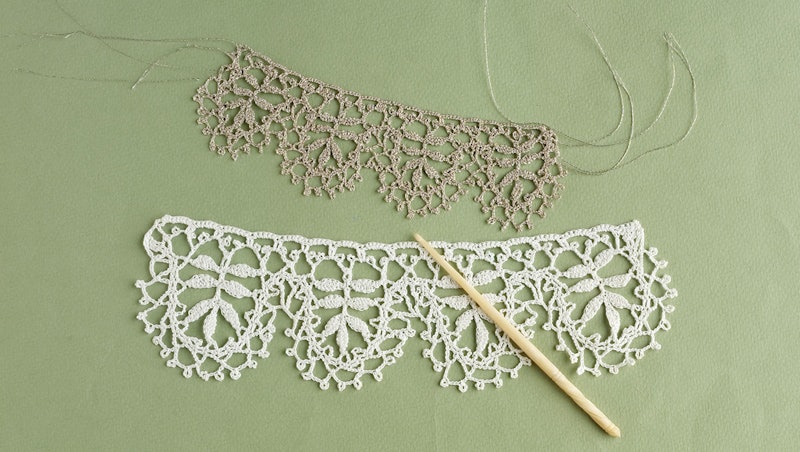
Fine thread and steel hooks make tiny crochet stitches. Here’s a handy tip to help make your stitching less challenging.
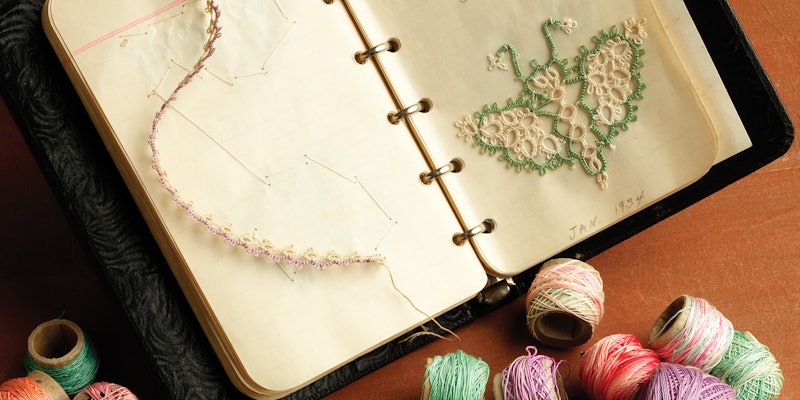
Explore the tatting treasures made by an avid craftswoman that have been preserved for teaching future generations.
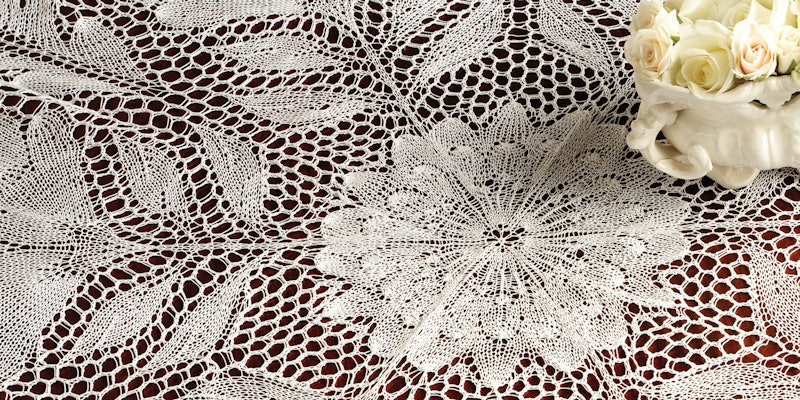
Niebling’s designs are not for the faint of heart or the impatient knitter. Some of his larger table covers contain as many as 300 rounds, with the outer rounds comprising hundreds of stitches, all to be worked in fine thread from pages of complex charts.
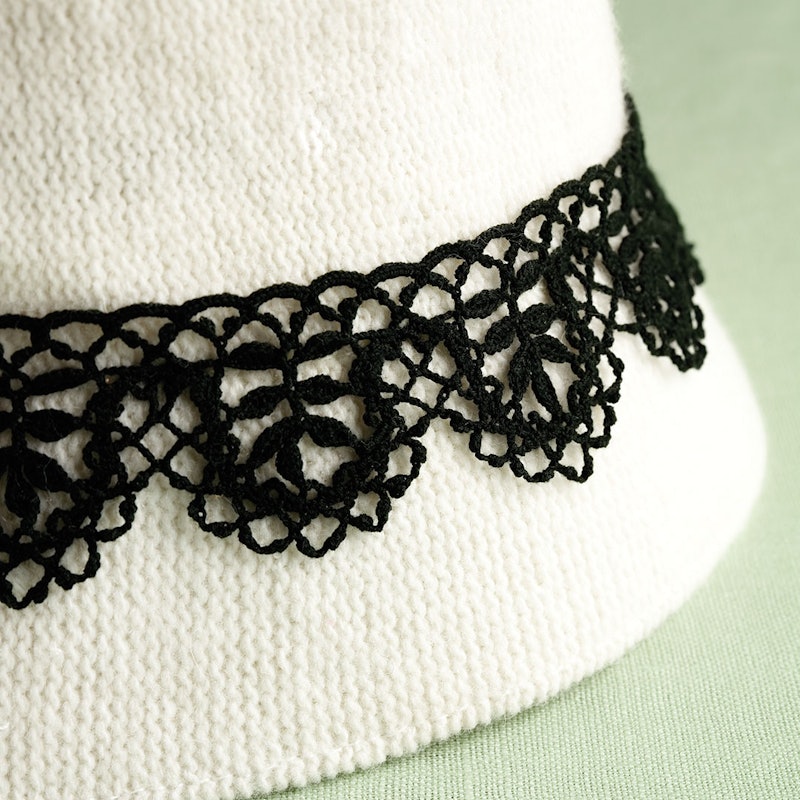
Bart Elwell translated instructions for an elegant 1865 English crochet pattern.
Indexed from PieceWork May-June 2010, in page order.