
 AA
AAMy Year of Weldon's
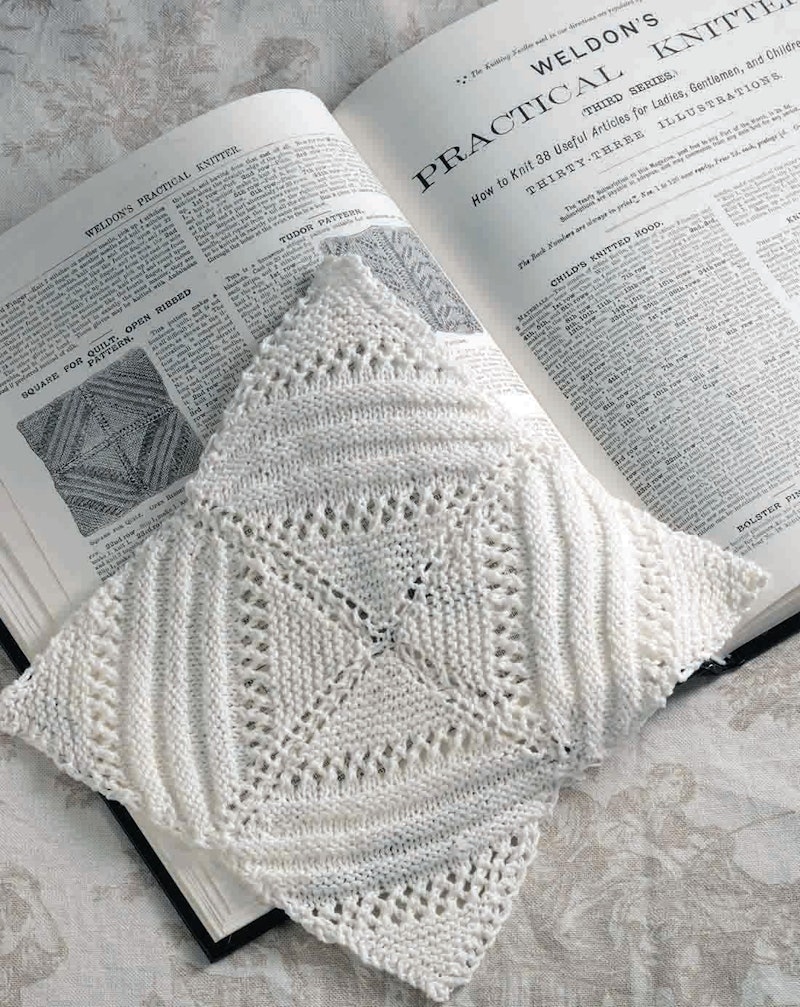
Two counterpane squares from Weldon's Practical Needlework were the beginning of a year-long knitting journey.
For Subscribers
Articles for PieceWork subscribers and All Access members. Sign in to read in full.
AATwo counterpane squares from Weldon's Practical Needlework were the beginning of a year-long knitting journey.
 SUB
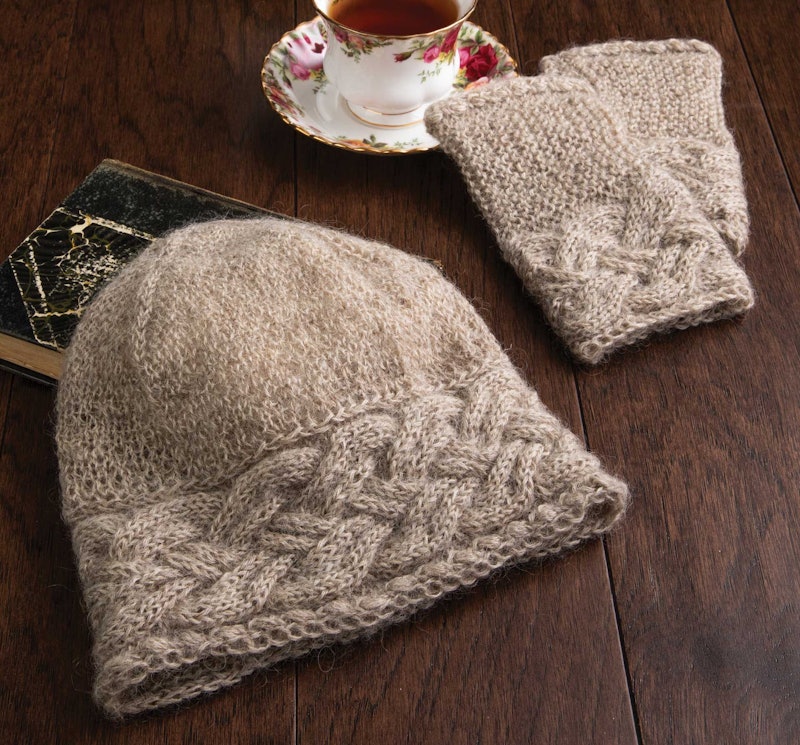
SUBKnit this charming set from the Spring 2020 issue of PieceWork. The yarn features fiber from a historic sheep breed.
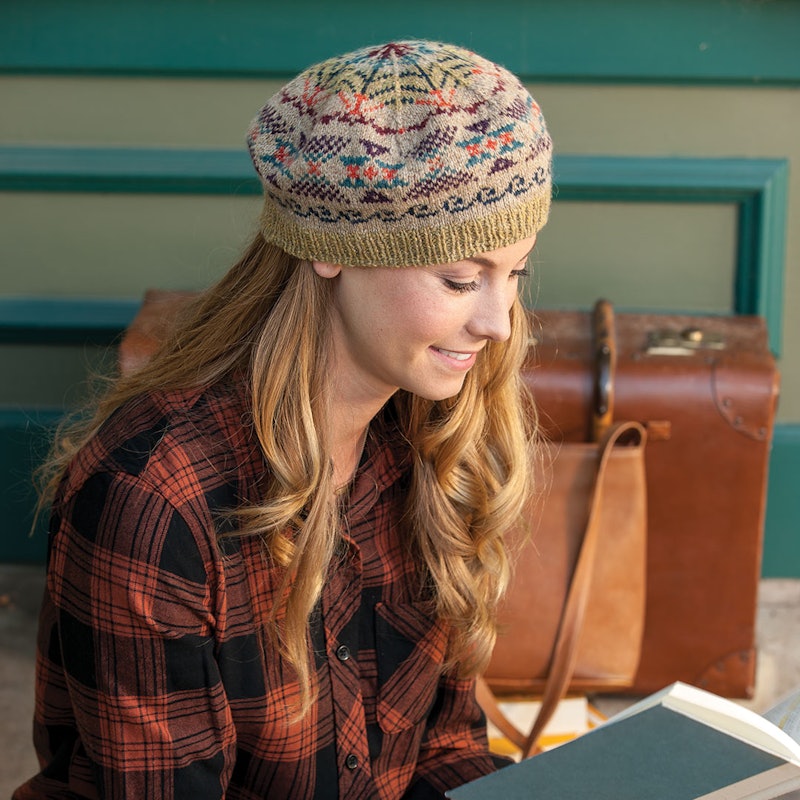
This charming tam o’shanter from the January/February 2017 issue of PieceWork makes a special gift. The body is worked in a Fair Isle pattern, and the tam gets its distinctive shape when it is washed and blocked.
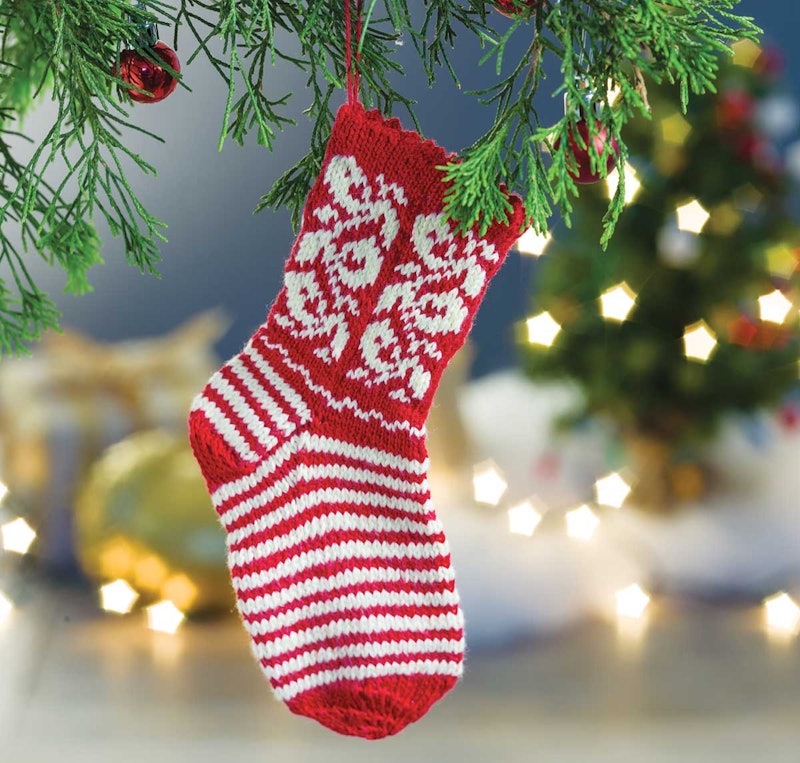
Andrea Wong’s miniature Portuguese stocking, from the January/February 2017 issue of PieceWork, is based on socks in the classic style of those from Serra D’Ossa, Portugal.
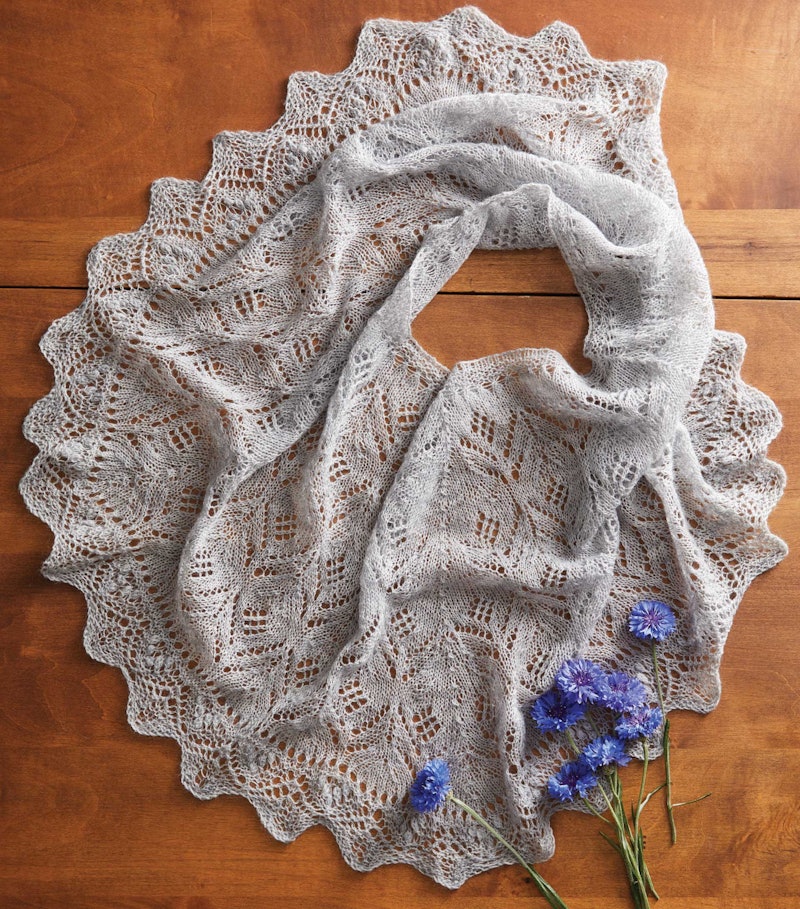
Nancy Bush’s circular capelet is a different shape from a traditional knitted-lace shawl or scarf from Haapsalu, but this modern interpretation still includes the iconic nupps.
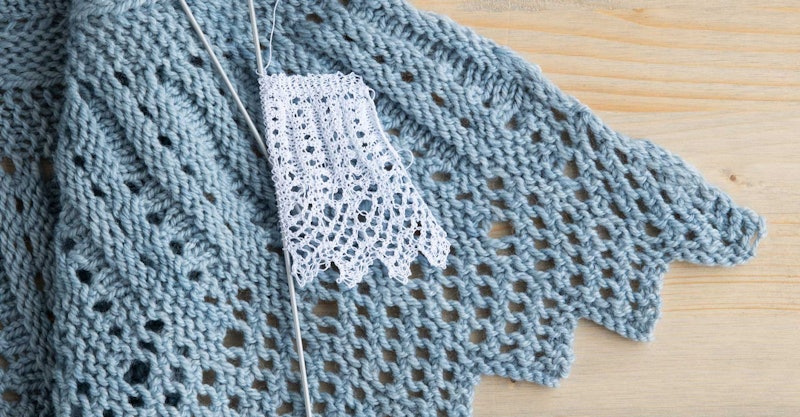
A 1930s knitted-lace edging provides the springboard for an exploration of knitting vintage patterns at a larger gauge. Cast on and knit along.
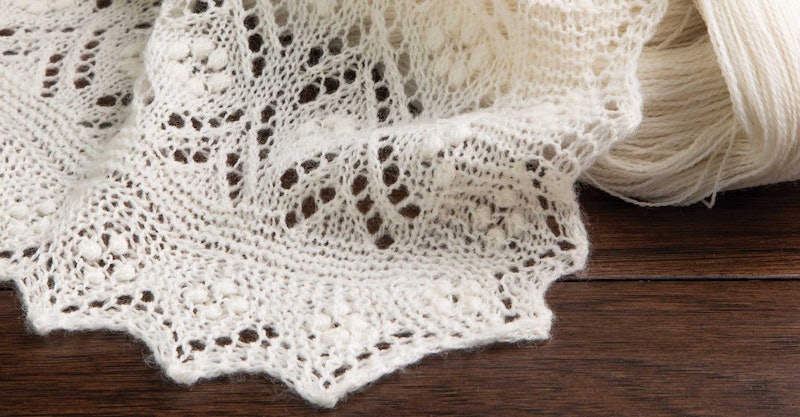
This shawl with Orenburg construction features a fleur-de-lis pattern, to which the nupps add a three-dimensional effect.
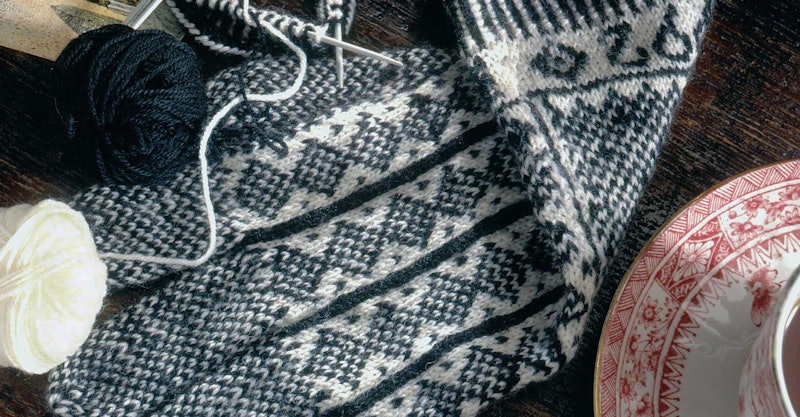
The history of knitting has been shrouded in mystery, half-truths, and outright lies! Is this because there is so little material, either textiles or documentation, to enable that history to be fully written?
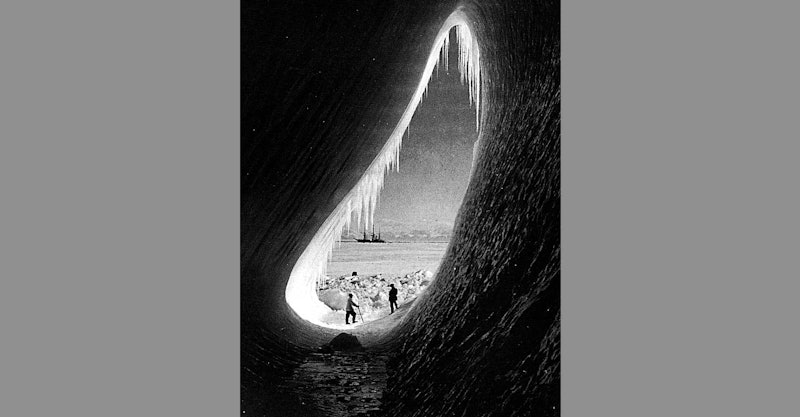
To undertake polar expeditions, then as now, appropriate protection was needed against the elements, some of the most severe on earth.
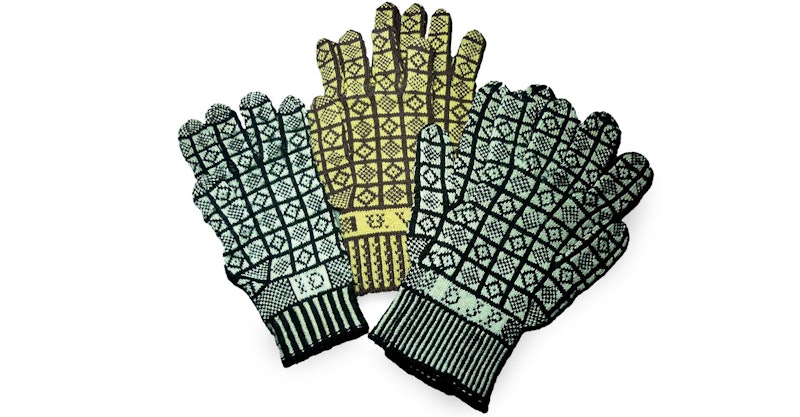
Author James Brown in History of Sanquhar (1891) describes Sanquhar gloves and stockings in the early nineteenth century as “being woven on wires in a peculiar manner,” which presumably means knitted on fine needles.
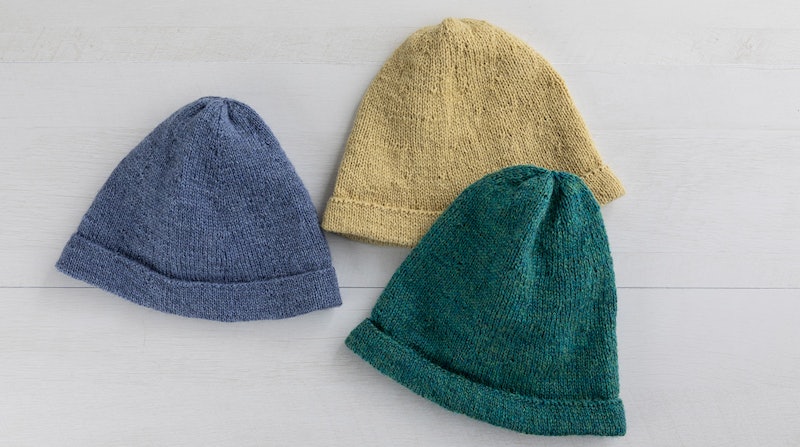
I developed this pattern after close examination of the artifact “latrine” hat excavated at the Fortress of Louisbourg, Nova Scotia, Canada. Log in to reveal this subscriber-exclusive pattern.
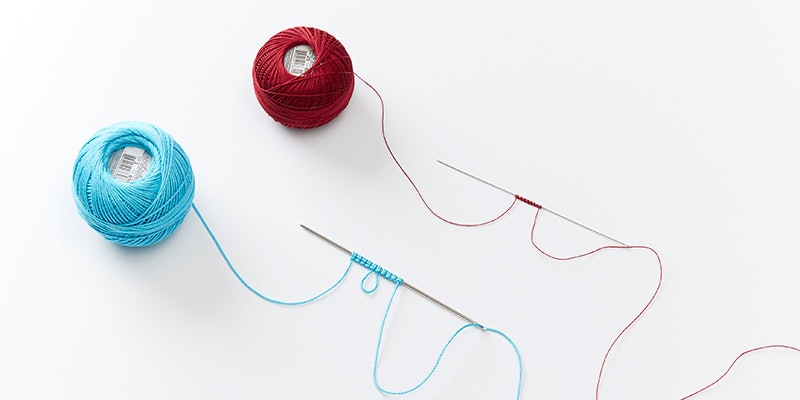
These instructions are based on the information in Barbara Foster’s Learn Needle Tatting, Step by Step (Paxton, Illinois: Handy Hands, 1998), which provides complete step-by-step needle-tatting instructions accompanied by plentiful photographs.