
A Stitch in Time: The Portuguese Stem Stitch
The Portuguese stem stitch, a heavily textured line stitch, also is known as Portuguese knotted stem, Portuguese knot, and wrapped stem stitch.
Category
The Portuguese stem stitch, a heavily textured line stitch, also is known as Portuguese knotted stem, Portuguese knot, and wrapped stem stitch.
The Bosnia and barrier stitches are easy to sew, similar in appearance, and share aliases. The barrier stitch is basically the French version of the Bosnia.
The Smyrna cross-stitch is another member of the large cross-stitch family and is a simple, dense, square, textured stitch worked over an even number of threads, usually four but two, six, or eight threads are not uncommon.
The rosette-chain stitch (Figures 1 and 2) belongs to the large chain stitch family because the working thread is looped on the surface of the background fabric and held in place by another stitch.

Scotland has a long and colorful history—143 meters (469.2 ft) long, to be precise! That’s the overall length of the 160 embroidered panels of The Great Tapestry of Scotland.
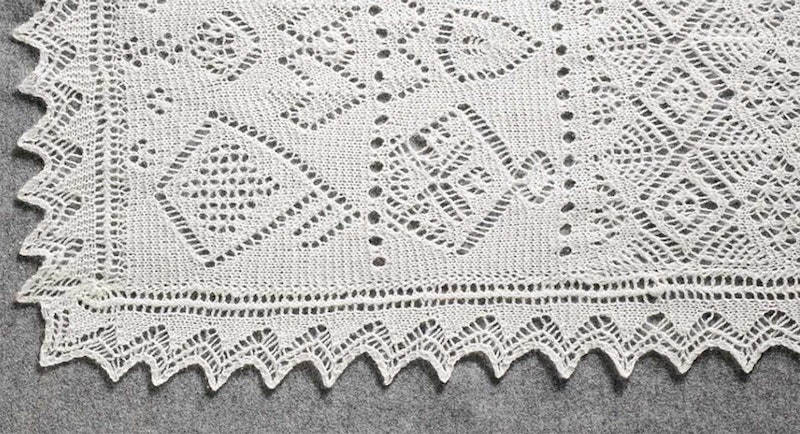
The fashion transformation from chemise to camisole traveled a long historical road.
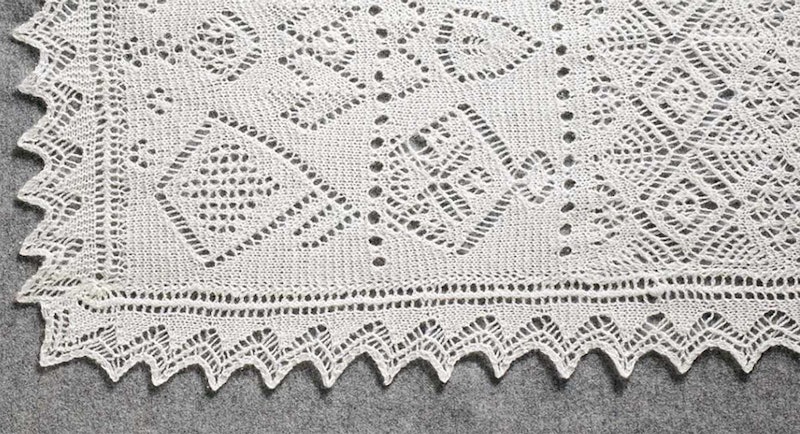
Rickrack conjures memories of brightly colored chevron embellishments on dresses and other garments from our childhoods.
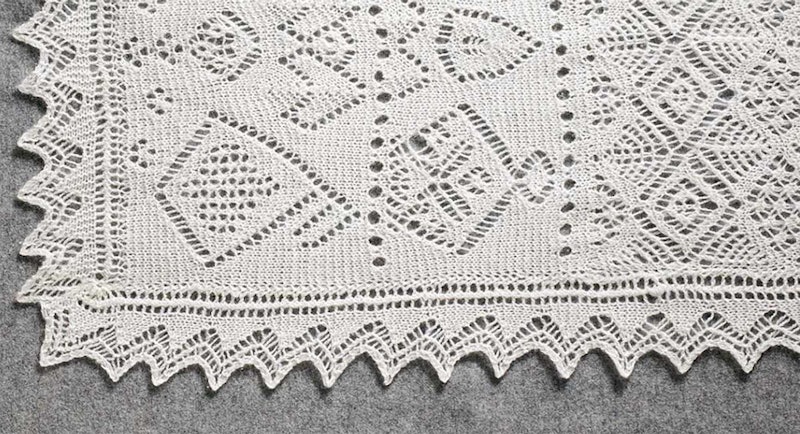
The November 1924 issue of Needlecraft magazine featured “Bags for Many Uses, Desirable and Different” by Addie M. Bodwell.
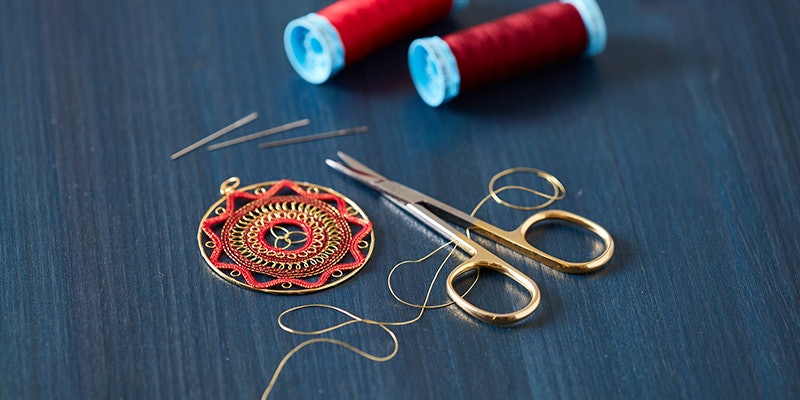
PieceWork’s 11th-annual Lace Issue, May/June 2018, explores lace techniques from around the world. Carolyn Wetzel’s stellar frisado de Valladolid-style lace medallion is the perfect introduction to a centuries-old Spanish technique.
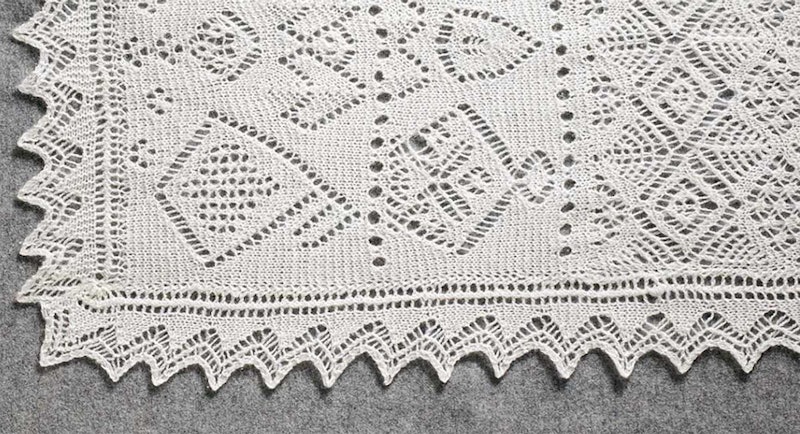
As PieceWork celebrates twenty-five years, let’s take a look back at the beginning. When Veronica Patterson wrote her editorial letter for the first issue, March/April 1993, she set the tone of the magazine for years to come.

In the past, most needleworkers learned this craft at their mother’s side, but today this is rare. In the March/April 1997 issue of PieceWork, contributor Kax Wilson recalled her mother’s time spent mending during the early twentieth century.
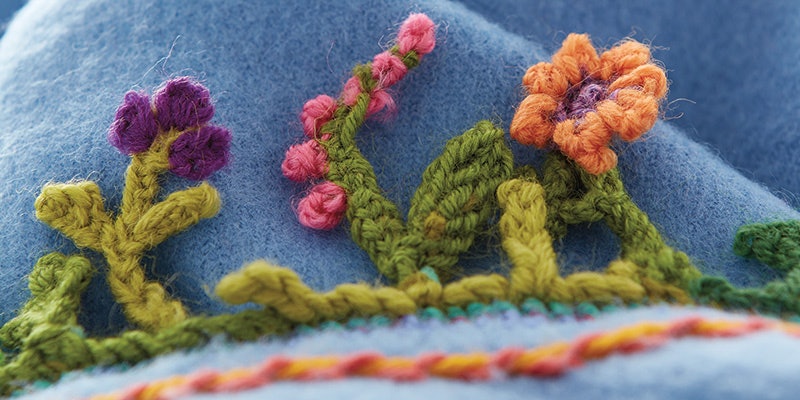
Barbara Morrison says, Cross-knit looping is an adaptable and easily learned technique; it’s also easy to transport and a good way to use short bits and pieces of yarn or thread.