
Weldon’s Mystery Project: Knitted Rugs
The Knitted Rugs lack an accompanying illustration. What on earth do these Weldon’s Knitted Rugs look like?
Category
The Knitted Rugs lack an accompanying illustration. What on earth do these Weldon’s Knitted Rugs look like?
Worsted Balls. (Yes, you read that correctly.) What in tarnation do these Weldon’s Worsted Balls look like?
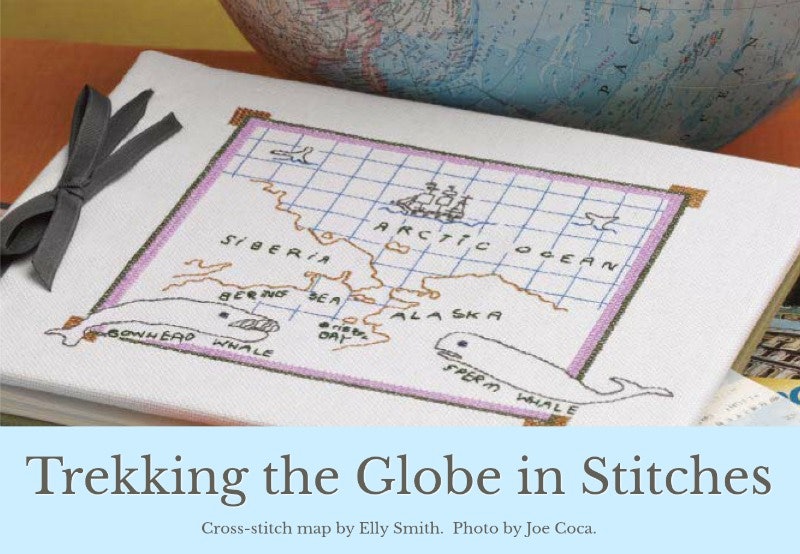
The next stop on our tour of needlework from the seven continents is Asia. Pamela D. Toler introduces us to suzanis, embroidered dowry pieces from the region of Central Asia now known as Uzbekistan.
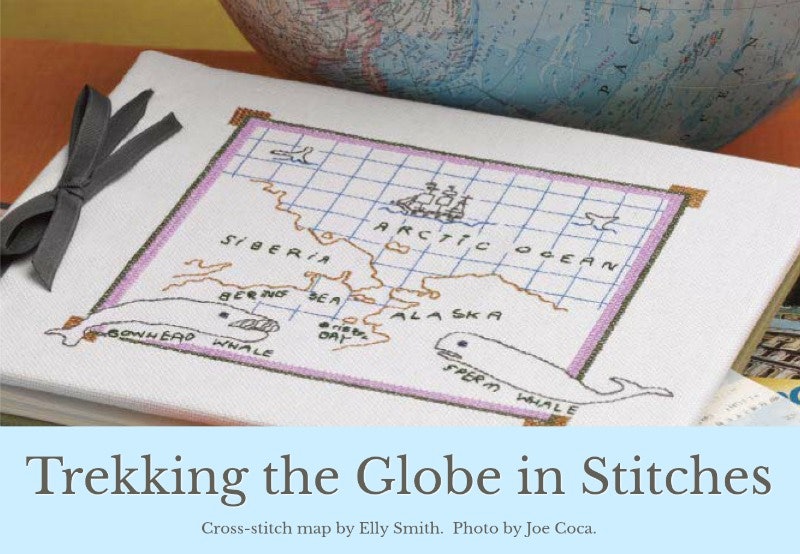
The next stop on our tour of needlework from the seven continents is North America. Cynthia Lecount Samaké introduces us to the red huipiles (traditional square-cut blouses) worn by the women of Patzún in Guatemala.
Here are two wooden combs, their handmade components lashed together and decorated with handspun thread. The dark comb, adorned with macaw feathers, came from the Shipibo, a people indigenous to the Ucayali river valley of eastern Peru.
Do you need some extra-sturdy socks for the winter months? Double knit those heels and toes the Weldon’s way to keep your feet safe and warm.
The Polar explorers wore sweaters or jerseys that can be seen in the photographs that were taken on board ship or in the huts.
This edging, taken from one of the swatches Evdokia created for the Chinese textile company, is worked in lacet crochet, a technique popular in the 1920s and 1930s that is closely related to filet crochet.
In 1895, Weldon’s, the paper pattern producer, devoted the 27th series of its Weldon’s Practical Crocheter to “the furtherance of this pretty industry.
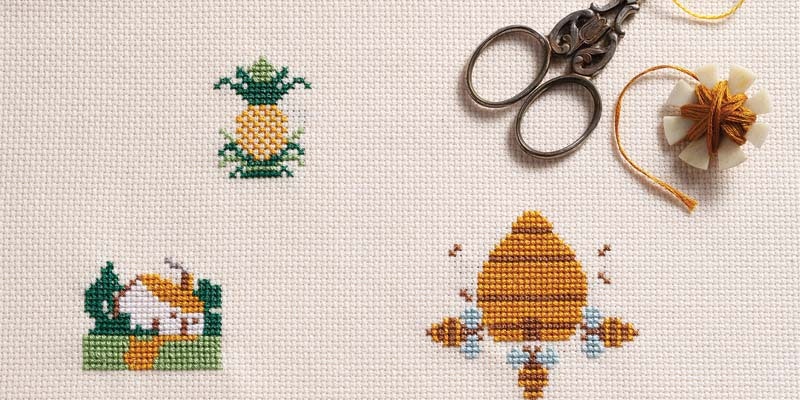
Today, pineapples are a produce department staple, available year round. But not so long ago, pineapples were an exotic treat, reserved for nobility and the upper classes of the west.
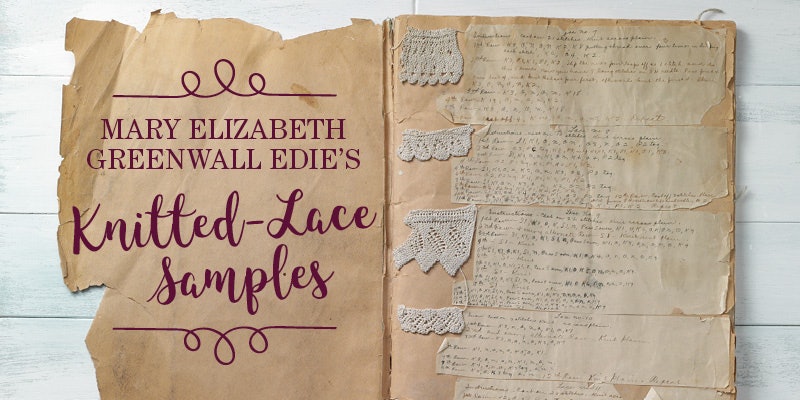
The story of Mary Elizabeth Greenwall Edie’s knitted-lace sampler book is included in the May/June 2016 issue of PieceWork.
This riddle is included in Ladies’ Needlework; Crochet Tales and Poetry: A Melange of Instructions and Amusements, originally published in 1849.