
Latest
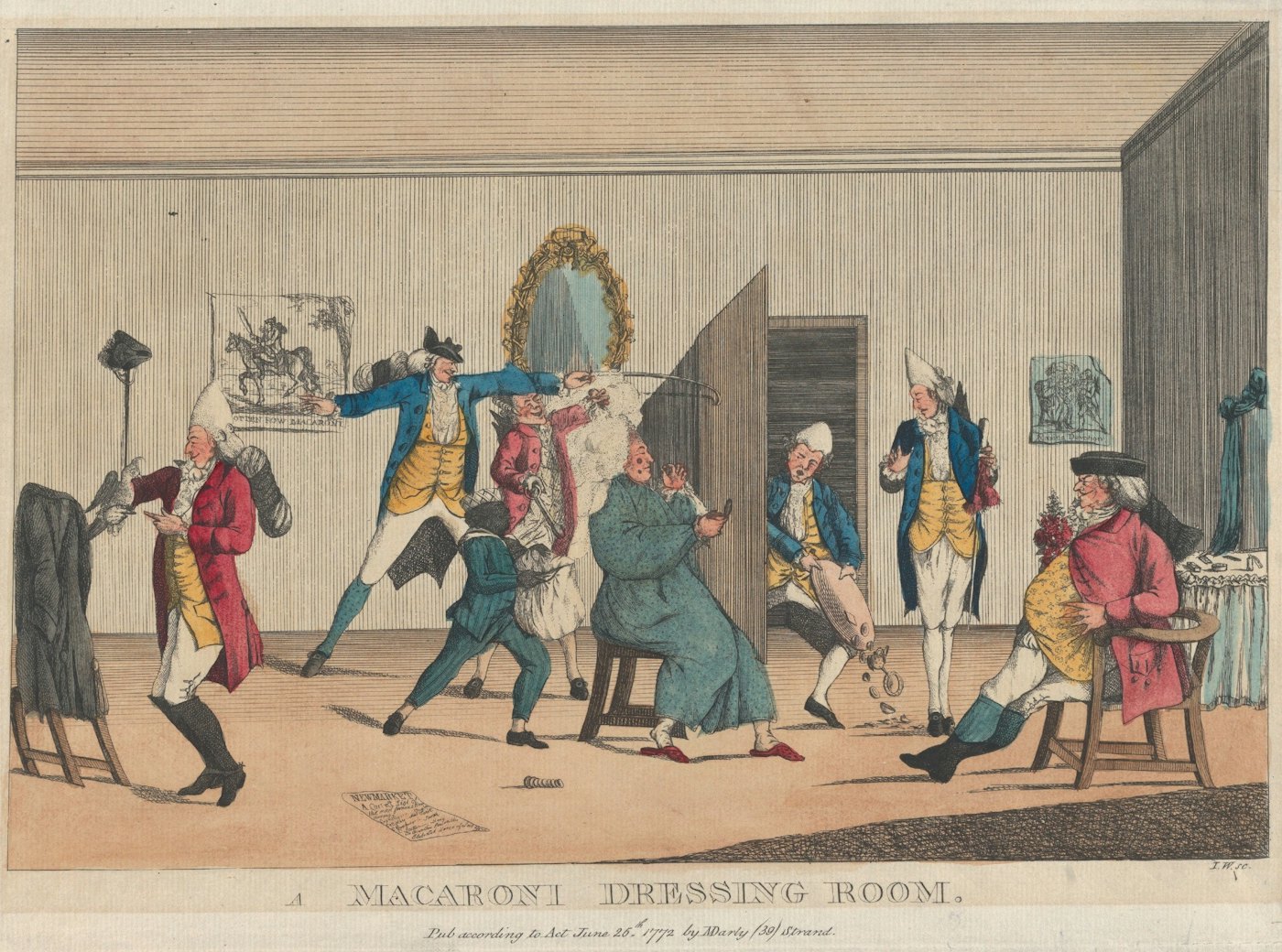
And He Called It Macaroni
If you’ve ever wondered at the meaning behind the lyrics of “Yankee Doodle,” it might surprise you to learn that the “macaroni” in the song referred not to a noodle, but to a rather odd fashion trend.
Category
If you’ve ever wondered at the meaning behind the lyrics of “Yankee Doodle,” it might surprise you to learn that the “macaroni” in the song referred not to a noodle, but to a rather odd fashion trend.
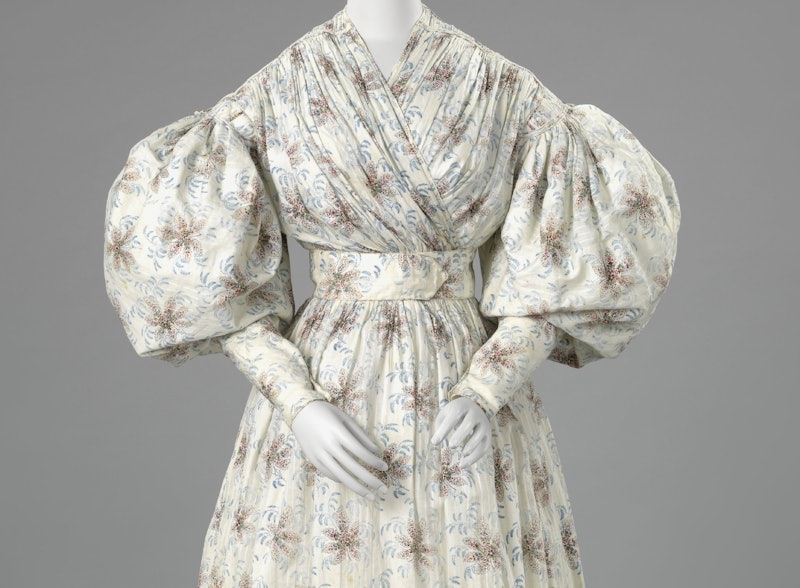
Join us in a fun romp through historical costume collections and learn a bit about fashion history.
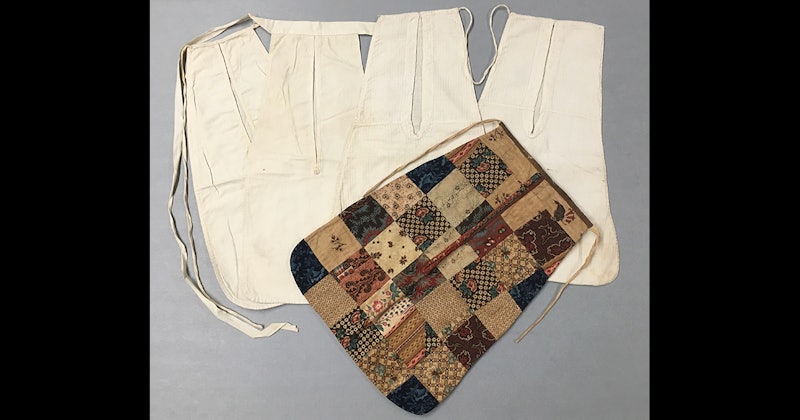
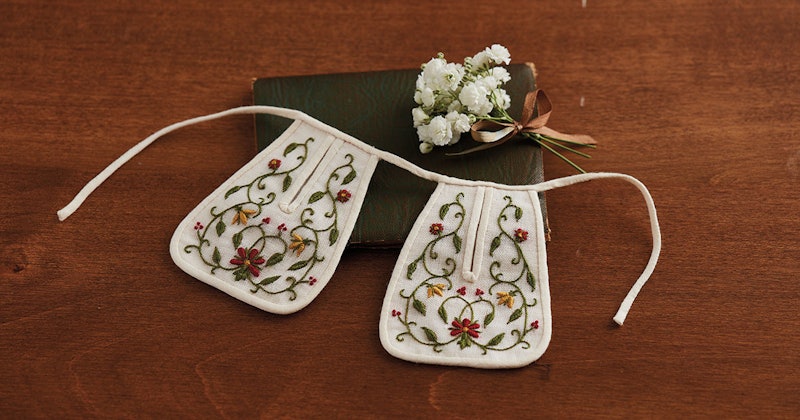
Pockets—practical, convenient, and sometimes, so mysterious. Find them hidden inside or boldly stitched to the front of a garment.
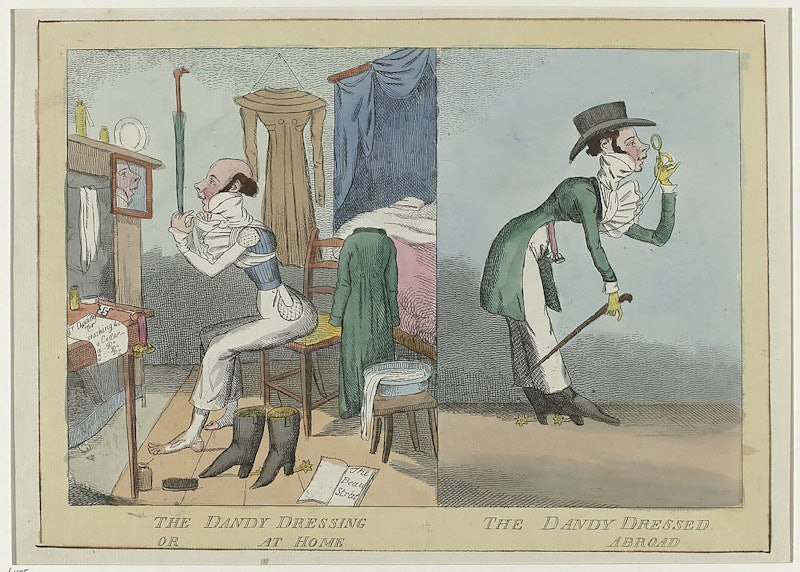
Turns out there's a whole lot of starch involved in the art of being fashionable.
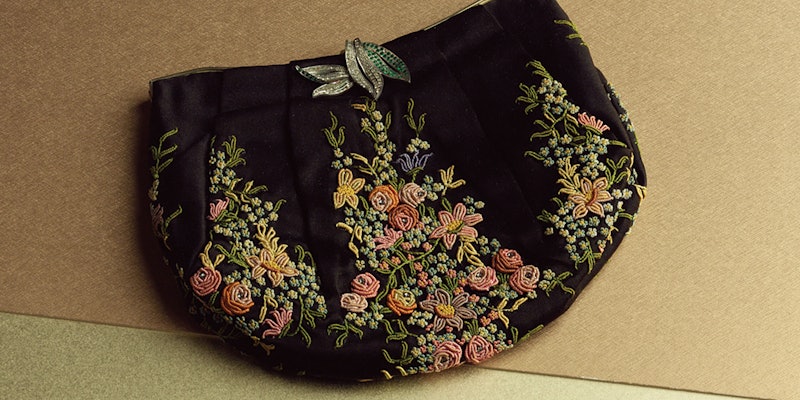
Before you begin a collection of your own, whether it be of handbags, lace, linens, quilts, or garments, Christen Brown suggest that you first research the periods and styles that interest you the most.
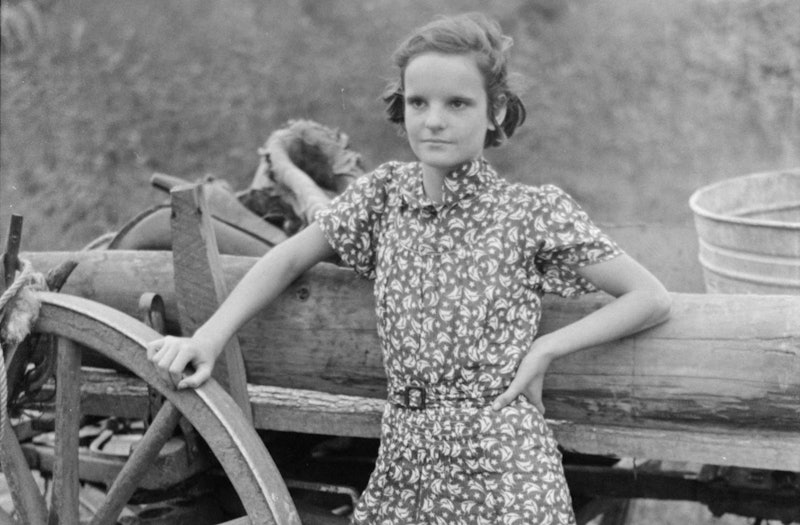
In the early twentieth century, staples, such as flour and livestock feed, were sold in cloth bags. As American families entered the 1930s, reusing these fabrics became more popular, and bags became more colorful.
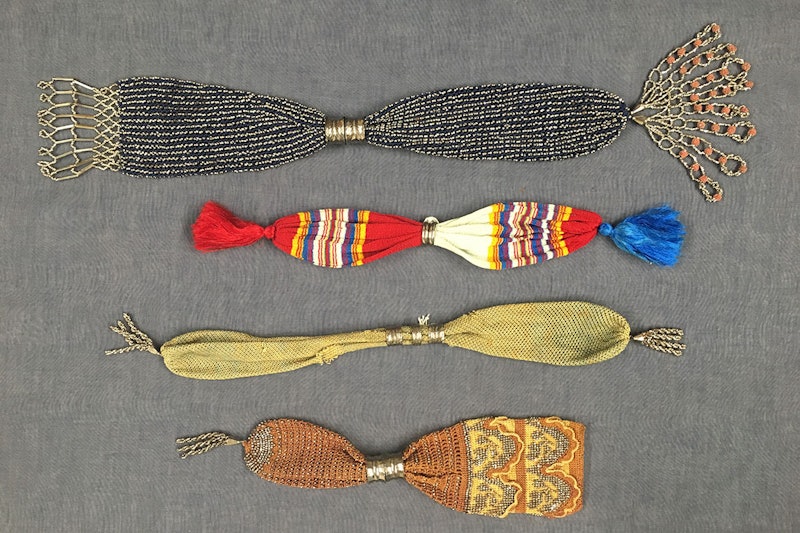
Commonplace, but not common, surviving miser bags and purses demonstrate the amazing variety of techniques in creation and decoration.
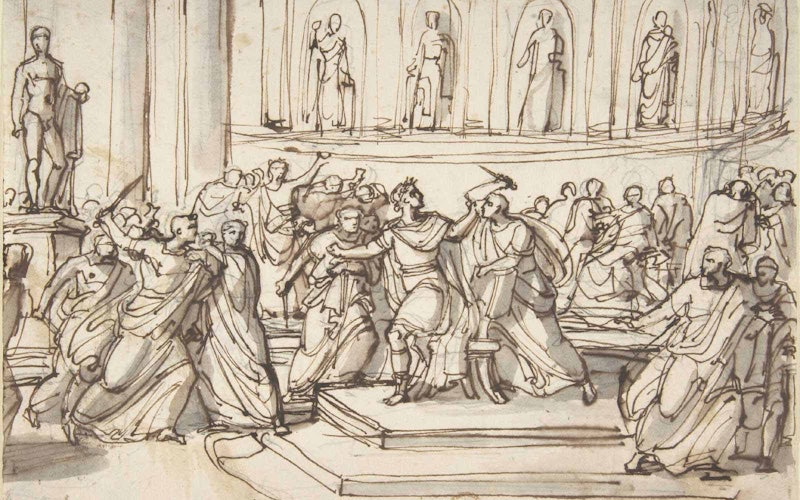
To many people, togas are synonymous with ancient Greece. The only problem? Togas aren’t Greek.
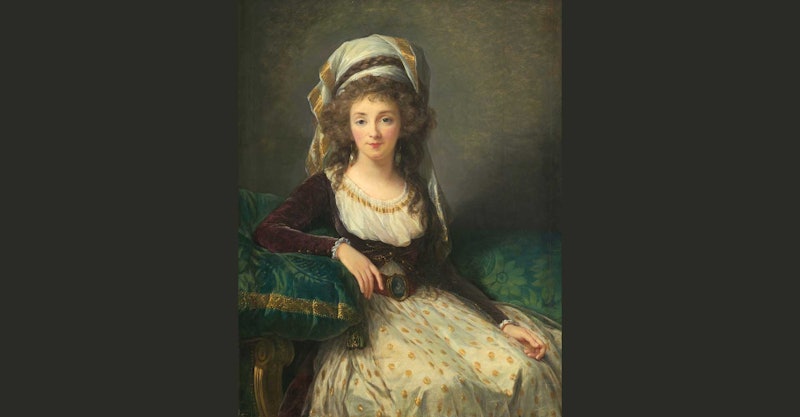
In their ceaseless quest for novelty, the fashion merchants of eighteenth-century Paris had been raiding the globe.
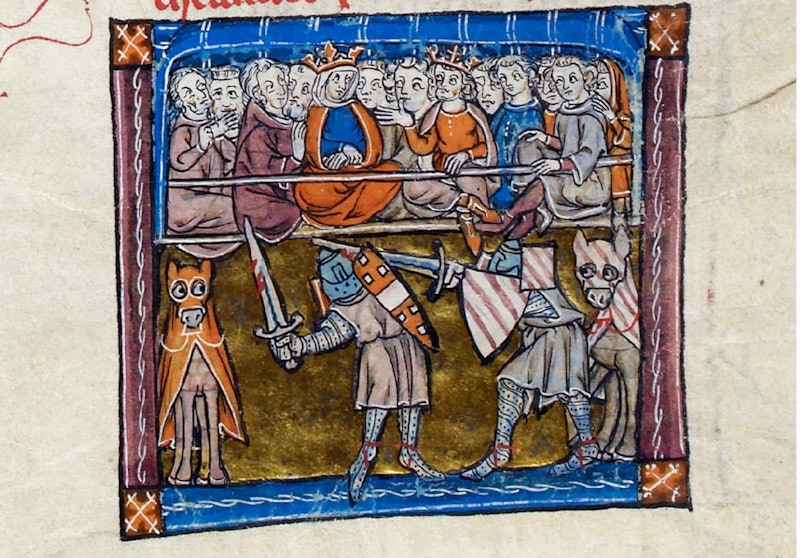
When European soldiers came back from the Crusades they brought back more than just spices and silks, they also brought back the hijab which was then modified into the wimple and became the must-have head wear for queens and nuns alike.
The fashion doll was a popular portrayer of style in the eighteenth century and the predecessor of fashion plates and then fashion magazines.
If you enjoy making clothing with vintage flair, check out Jennifer Wood’s Directoire Top from Knitting Traditions 2018.

In the past, most needleworkers learned this craft at their mother’s side, but today this is rare. In the March/April 1997 issue of PieceWork, contributor Kax Wilson recalled her mother’s time spent mending during the early twentieth century.