
 SUB
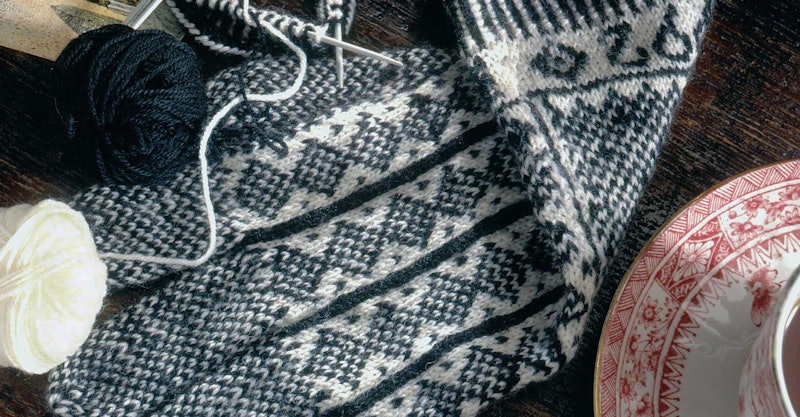
SUBCold Lands, Warm Hands
The history of knitting has been shrouded in mystery, half-truths, and outright lies! Is this because there is so little material, either textiles or documentation, to enable that history to be fully written?
Category
SUBThe history of knitting has been shrouded in mystery, half-truths, and outright lies! Is this because there is so little material, either textiles or documentation, to enable that history to be fully written?
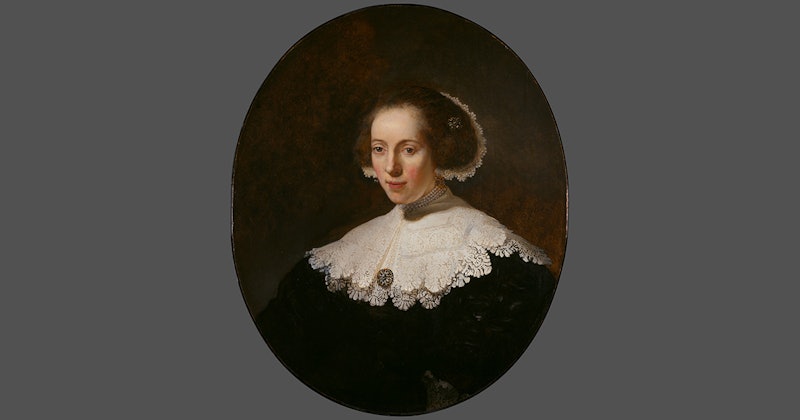
One of the articles in the May/June 1994 issue of PieceWork is Marni Harang’s “The Flowers of Flanders: Seventeenth-Century Flemish Bobbin Tape Lace.”
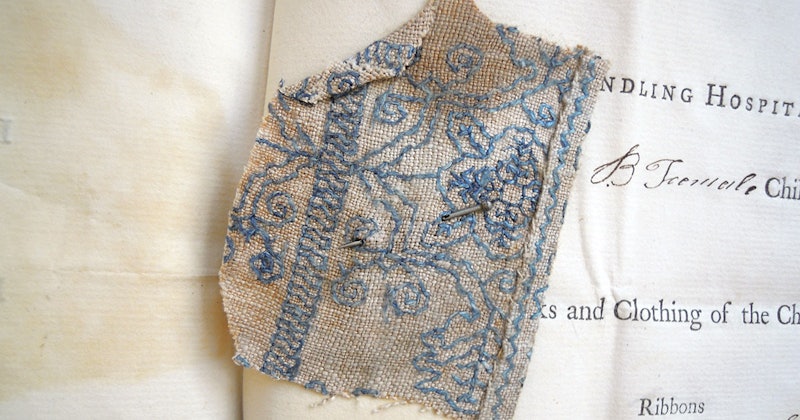
Preserved among the records of The Foundling Museum, site of the former London Foundling Hospital, is what is now recognized as the largest collection in Britain of everyday textiles from the eighteenth century.
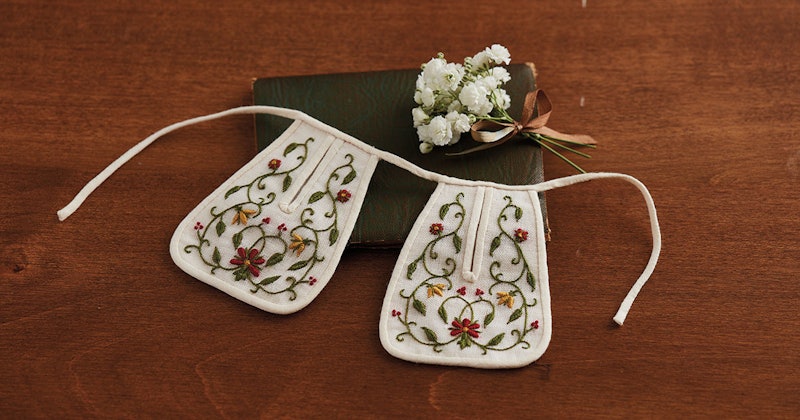
The fashion doll was a popular portrayer of style in the eighteenth century and the predecessor of fashion plates and then fashion magazines.
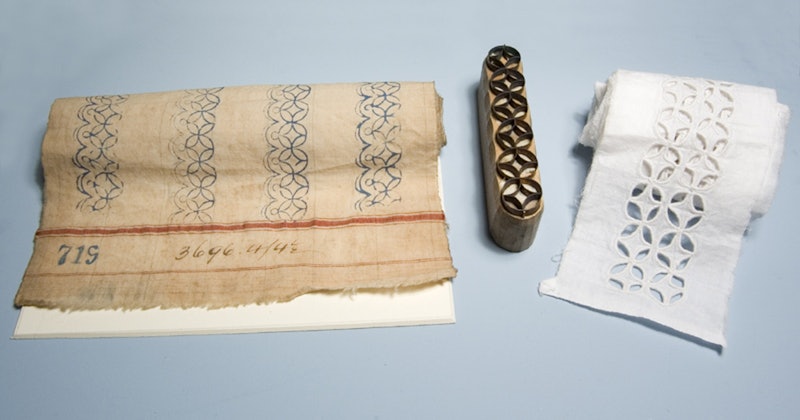
Ayrshire, a county on the southwest coast of Scotland, is perhaps best known as the birthplace of the poet Robert Burns. But Ayrshire is also home to an exquisite style of whitework embroidery known as Ayrshire needlework.
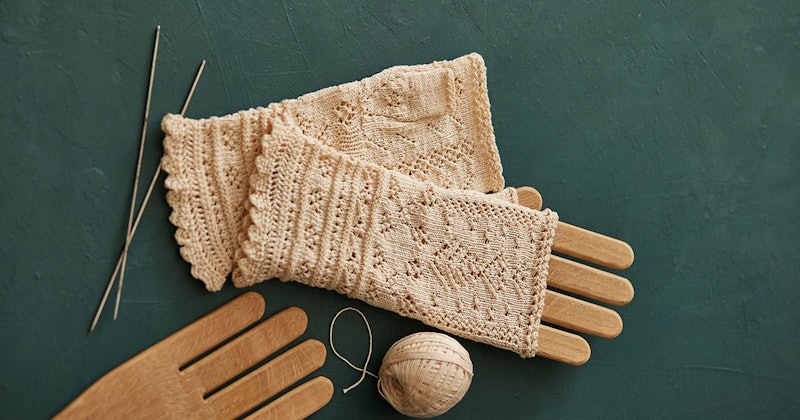
The Festival Lace Mitts were inspired by a pair from a photograph.

Jacqueline Fee recounts how she came to knit the Brewster socks, which were based on an original sock that was brought to her attention by her daughter.
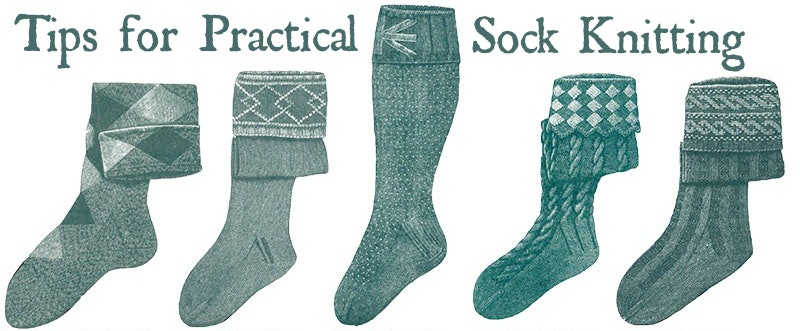
Here is an excerpt from Charlotte Booth’s article, “Re-Creating Ancient Egyptian Socks,” from the November/December 2011 issue of PieceWork.
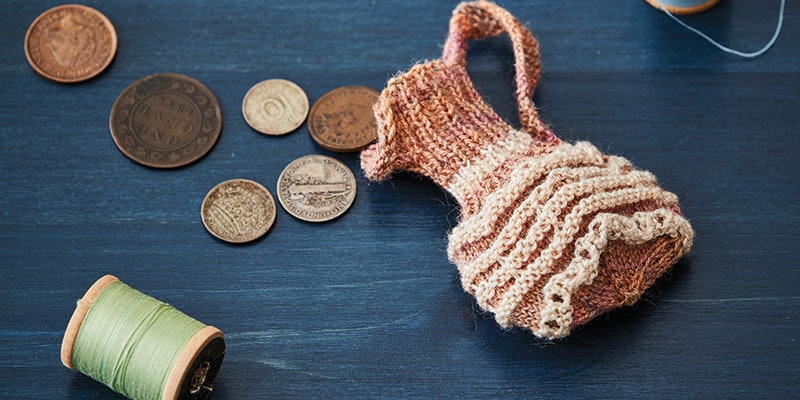
These little knitted jugs are generally about 3 to 4 inches (8 to 10 cm) high, often knitted in the round in two colors, in stripes, using fine yarn and fine needles.
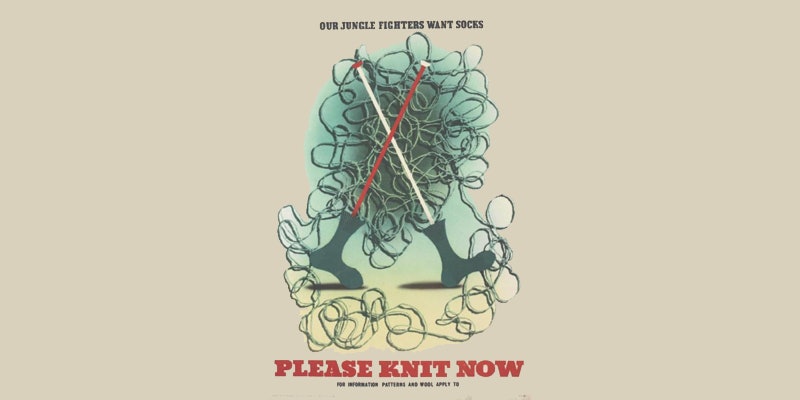
In the United States and abroad, wartime has long involved knitters.
Discover how inspiration for French fashion merchants made its way to Paris in the form of three ambassadors dispatched by Tippoo-Saïb.
If you are ever near Plimoth Plantation, a visit will be rewarding. This museum, started in 1947 by Henry Hornblower II with two cottages and a fort, has grown to include the Mayflower II, the English Village, the Wampanoag Homesite, and more.