
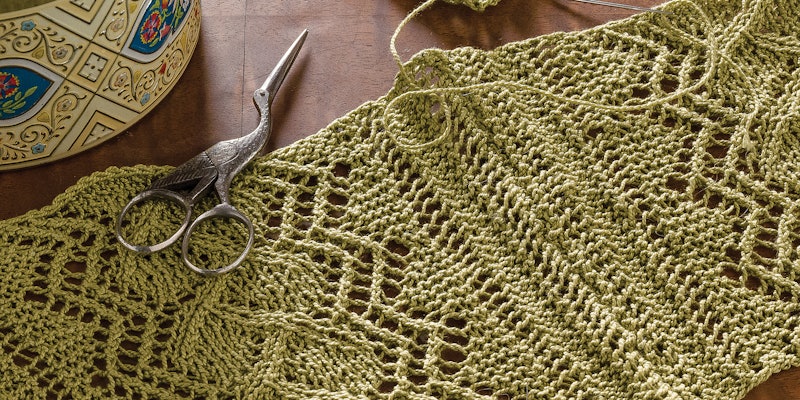
The Lure of Lace: PieceWork’s Special Issue Knitting Traditions Fall 2013
The seventh edition of PieceWork’s Knitting Traditions, Fall 2013, is all about lace—its magic and mystery and its ethereal quality—as expressed in knitting.
Category
The seventh edition of PieceWork’s Knitting Traditions, Fall 2013, is all about lace—its magic and mystery and its ethereal quality—as expressed in knitting.
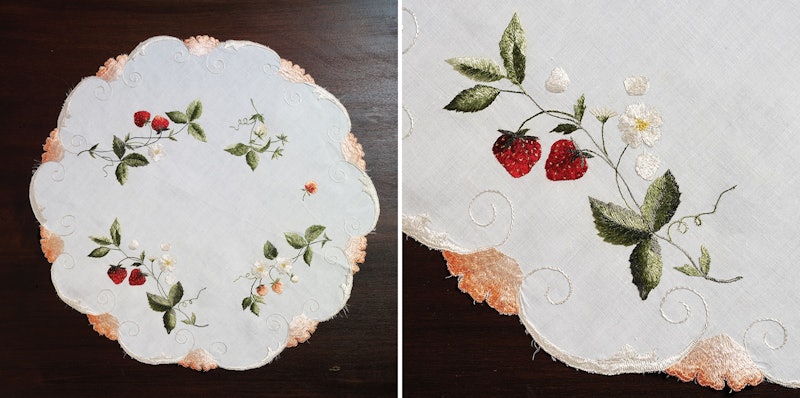
With its focus on meticulous, true-to-life interpretations of natural subject matter, silk art embroidery was popular in America from 1877 to 1907.
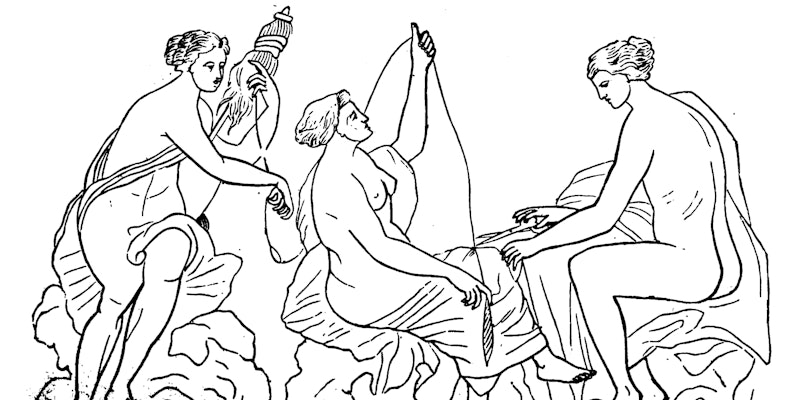
Stories that feature the primacy of textiles and the way they are connected with women are quite ancient. Our language is full of metaphors that demonstrate these deep, primal associations.
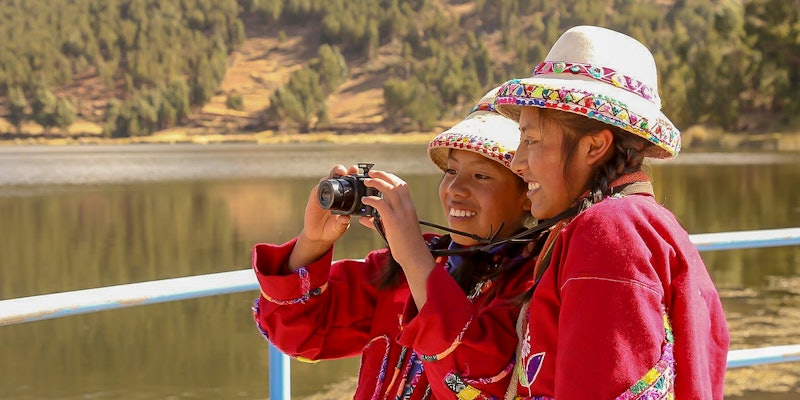
Passing cultural knowledge can be a two-way street. We most often think of it as the wise elder coaching the child. But what if you flip that?
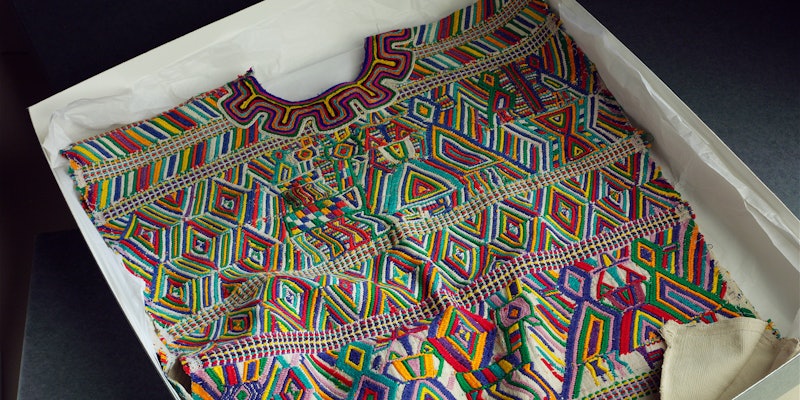
Mayan weavers employ traditional skills in today’s woven and embroidered textiles.
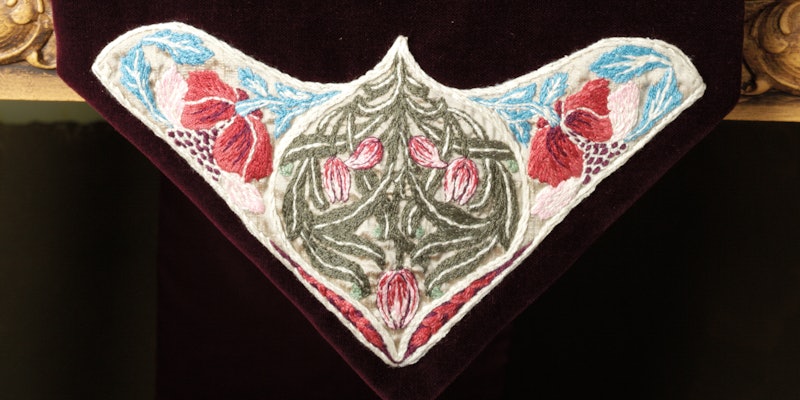
His firm turned the Industrial Revolution on its head, returning focus to and respect for handwork. Explore the origins of his design influence.
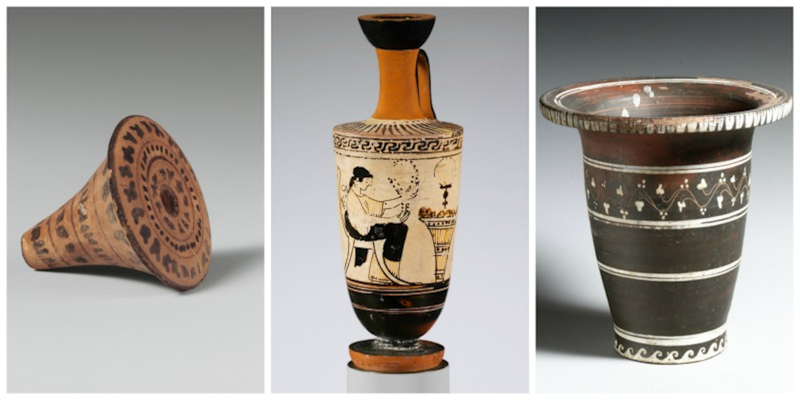
Records from the distant past don’t say much about women, yet every now and then we get fleeting glimpses of the history of textiles.
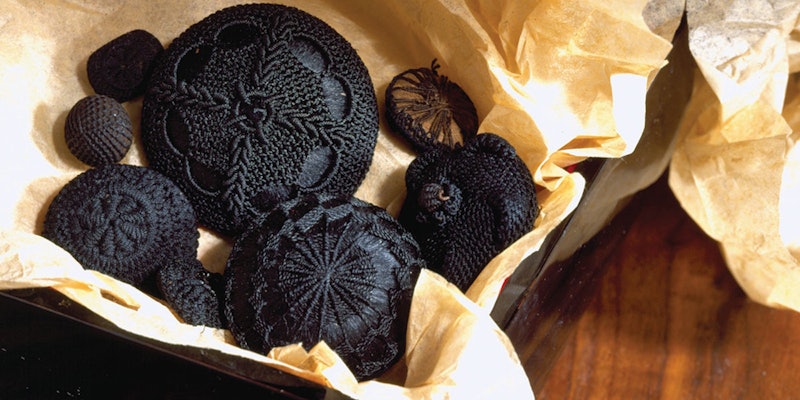
Discover the history of crocheted buttons and crochet your own Irish Rose button from Nancy Nehring’s wonderful article and project featured in the March/April 1994 issue of PieceWork.
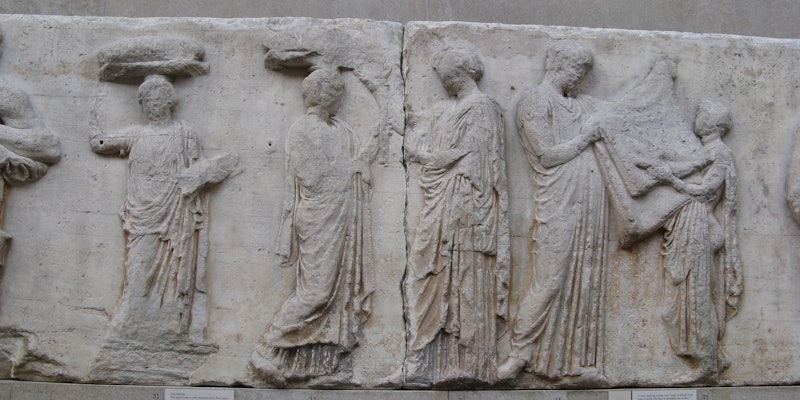
Then Athens and the city-state of Sparta got into a long conflict, the Peloponnesian War, and that’s where our latest story about women’s work comes in.
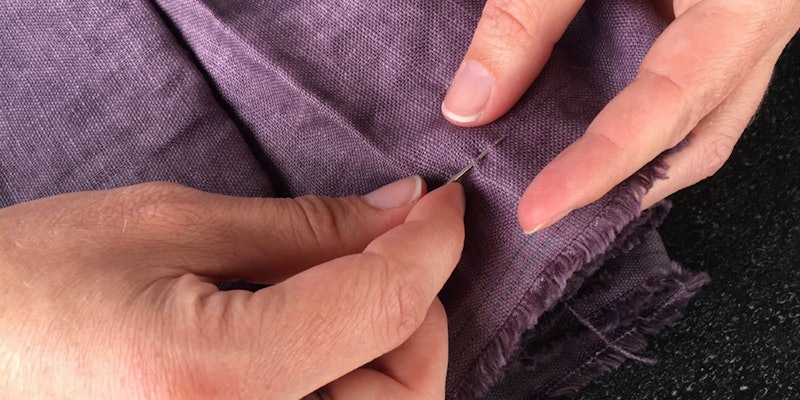
Women have been involved with textiles throughout time; after all, they have been inspired by a goddess!

Let’s talk about the greatest enemy of all textiles: light.
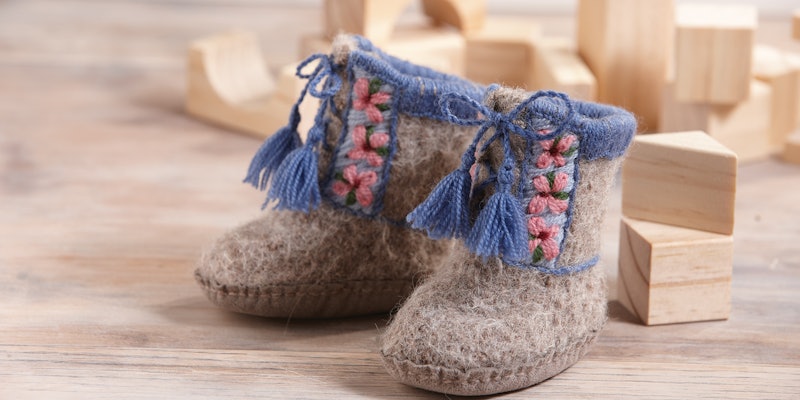
Learn the best practices of displaying textiles in shadow boxes.