
A Stitch in Time: Sorbello Stitch
The Sorbello or Sorbello knot stitch is a textured Italian embroidery stitch, originating in the small village of Sorbello, near Naples.
Category
The Sorbello or Sorbello knot stitch is a textured Italian embroidery stitch, originating in the small village of Sorbello, near Naples.
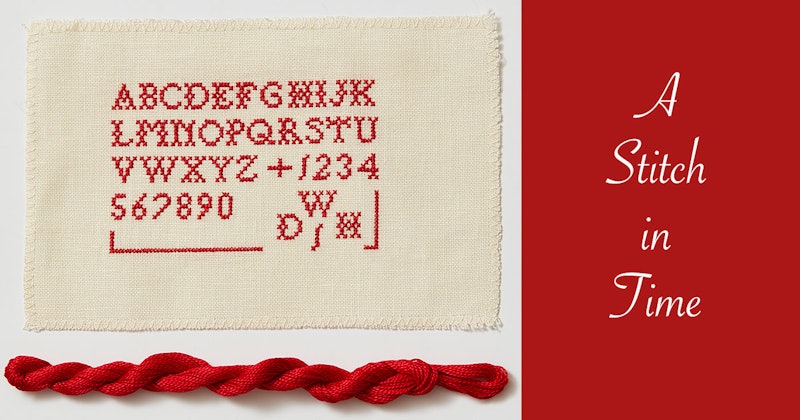
The marking stitch is yet another member in the large cross-stitch family. It's a reversible stitch that forms cross-stitches on the front of the fabric and neat open squares of straight stitches or four-sided stitches on the back.
A successful and accepted form of work for women

Phillipa Turnbull’s crewelwork designs are based on the original needlework she finds in the British castles and country houses that she has spent her career exploring.
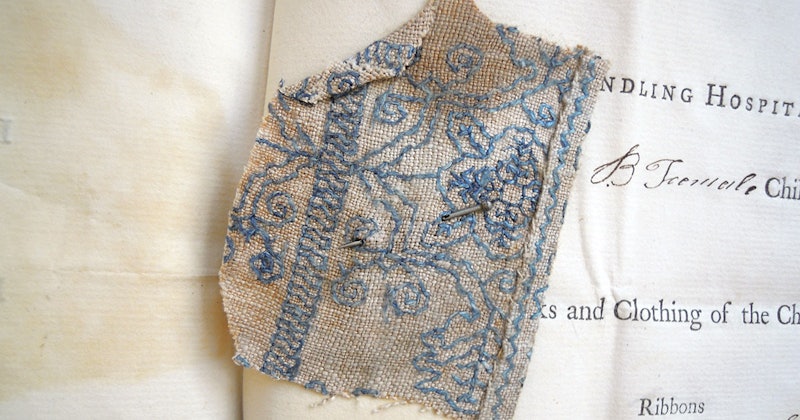
Preserved among the records of The Foundling Museum, site of the former London Foundling Hospital, is what is now recognized as the largest collection in Britain of everyday textiles from the eighteenth century.
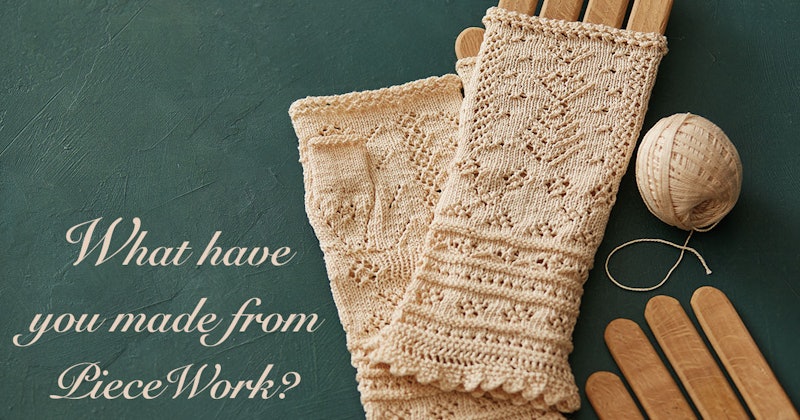
The Winter 2018 issue of PieceWork dives into the rich history of needlework and includes projects inspired by literature, vintage craft magazines, and more.
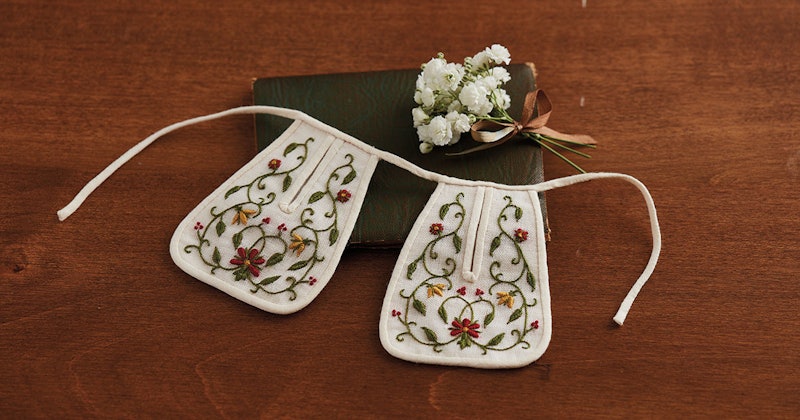
The fashion doll was a popular portrayer of style in the eighteenth century and the predecessor of fashion plates and then fashion magazines.
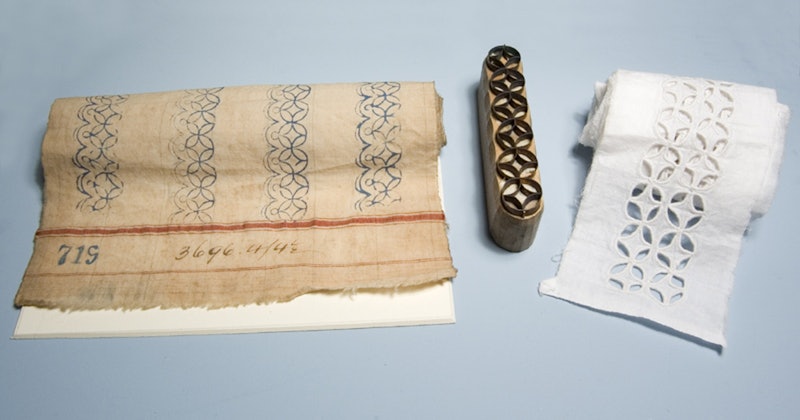
Ayrshire, a county on the southwest coast of Scotland, is perhaps best known as the birthplace of the poet Robert Burns. But Ayrshire is also home to an exquisite style of whitework embroidery known as Ayrshire needlework.

The tradition of exquisite embroidery at Durham Cathedral continues to this day.

Around the turn of the twentieth century, a new style of art emerged in Scotland’s largest and most bustling city, Glasgow. Learn about the artists who helped establish this movement, Charles Rennie Mackintosh and his wife Margaret Macdonald.
Crack open any volume of Weldon’s Practical Needlework, and you’ll be transported in time to the Victorian era.
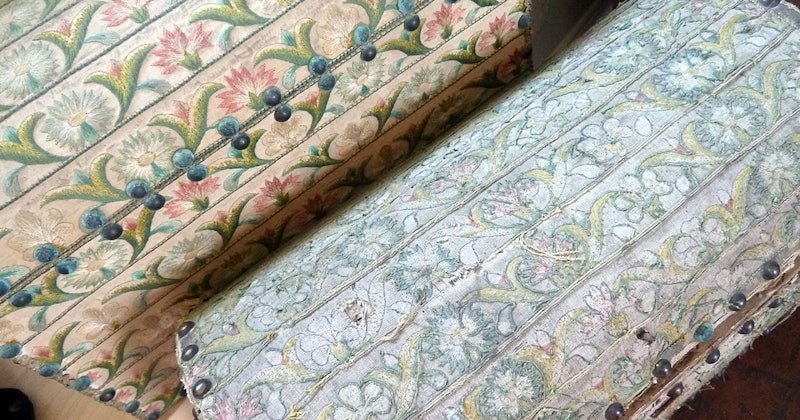
Started in 1877 at Wemyss Castle by Dora Wemyss, the idea behind Wemyss School of Needlework was to teach needlework skills to the daughters of the miners and farmers in the area so that they could earn a living and be independent.