

This Week in History: Needlework in the Montessori Classroom
Maria Montessori (1870–1952), well-known as an education innovator, opened her first school—Casa dei Bambini in Rome—on January 6, 1907.
Category
Maria Montessori (1870–1952), well-known as an education innovator, opened her first school—Casa dei Bambini in Rome—on January 6, 1907.
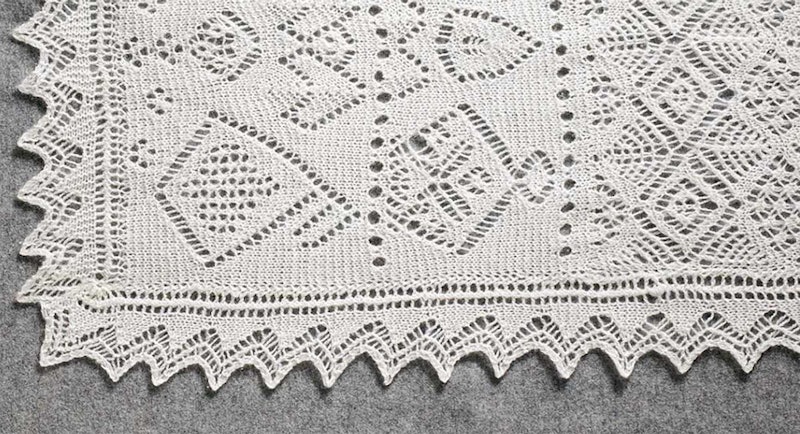
Did you know that Muhu gloves were usually made for the dowry, and a bride may have given up to a hundred pairs to her new family?

As queen, opulence and splendor were no strangers to Elizabeth I. This included Elizabeth’s embroidered clothing and her knitted silk stockings.

Crochet has proven to be a perfect technique to mimic other forms of lace, including bobbin lace, filet, tatting, Venetian needle lace, and drawn thread work.
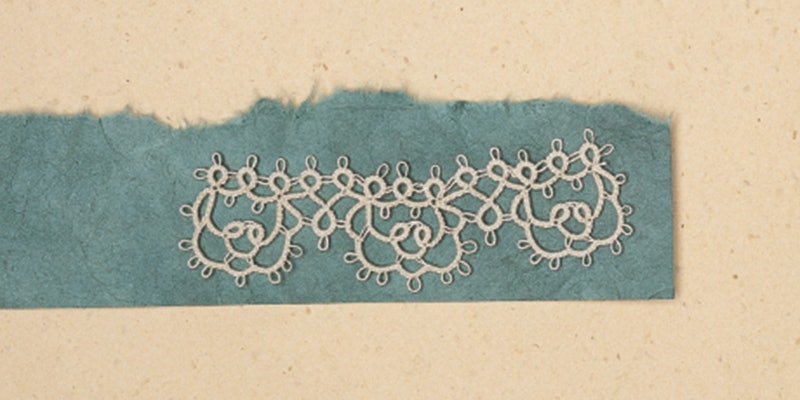
Here’s a tatted edging originally published in Needlecraft Magazine’s October 1928 issue.
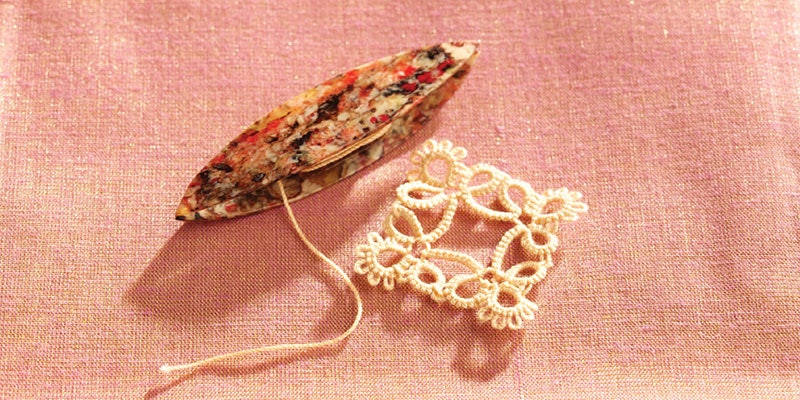
Enjoy a free tatted square medallion pattern from PieceWork’s “Trimmings.”
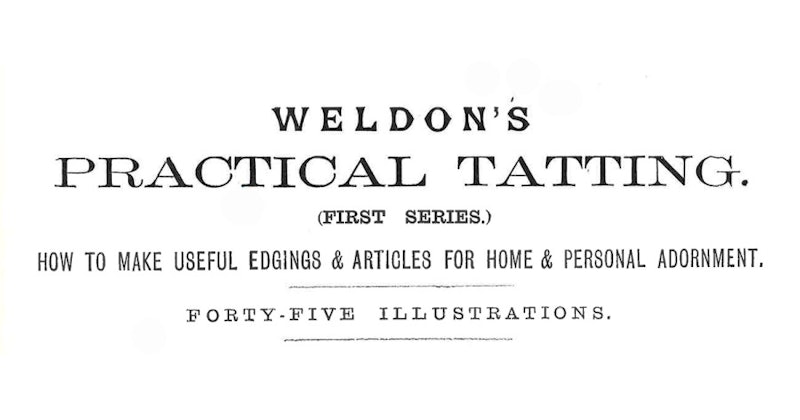
Weldon’s Practical Needlework houses a wealth of information on Victorian tatting. The following “uses” and “requisites” for Victorian tatting are reproduced here as they appeared in Weldon’s Practical Needlework, Volume 4.
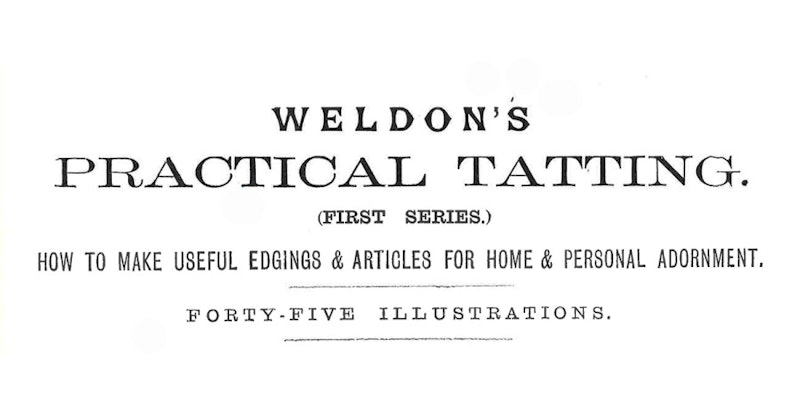
Weldon’s Practical Needlework is known mostly for their whimsical yet practical knitting and crochet patterns. But did you know that they house a wealth of information on Victorian tatting, too? Tatters rejoice!
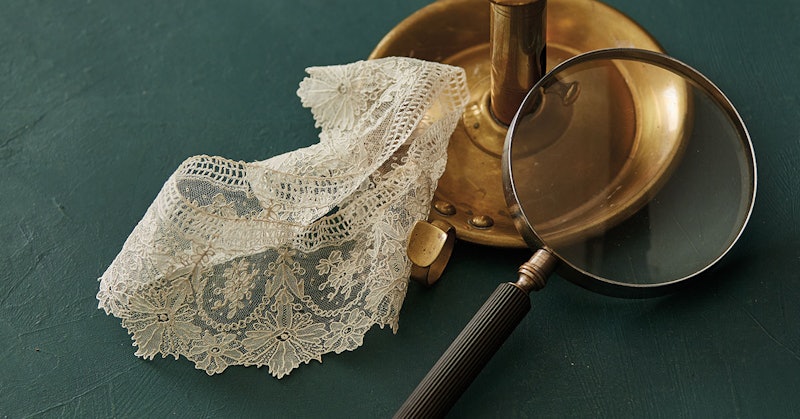
Welcome to the Winter 2018 issue of PieceWork! It’s filled with information on two of my favorite things—magazines and books. That each feature and project includes the historical needlework context is icing on the cake.
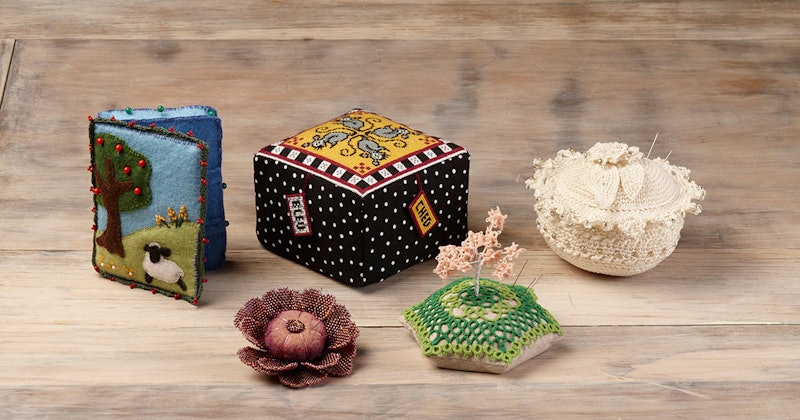
Over the years, we have had a variety of PieceWork contests for our readers to showcase their stellar needlework skills. The inaugural contest featuring pincushions was among the most popular—a testament to the importance of this needlework necessity.
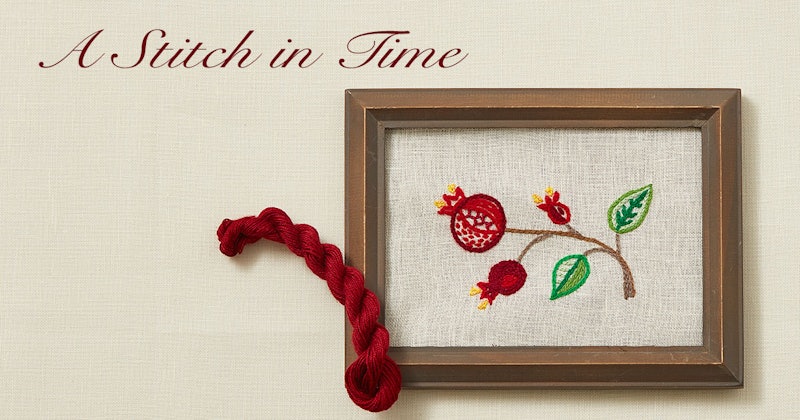
The split stitch is one of the oldest and simplest of the basic embroidery stitches, visually resembling a small compact chain stitch, but with a much narrower and flatter appearance.
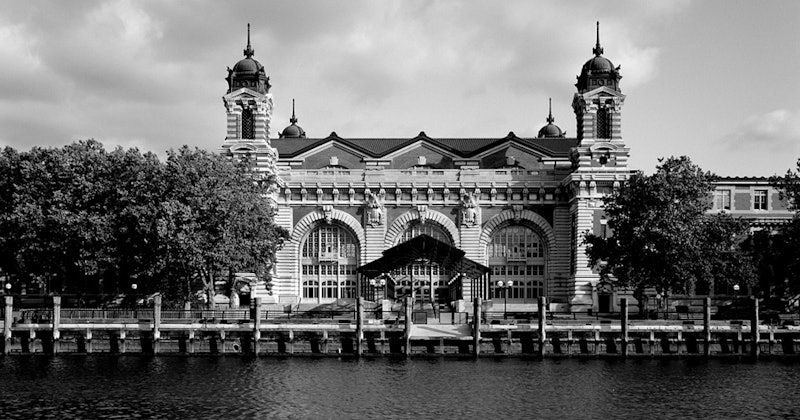
The Ellis Island Immigration Station reopens after extensive restoration and becomes the Ellis Island Immigration Museum.